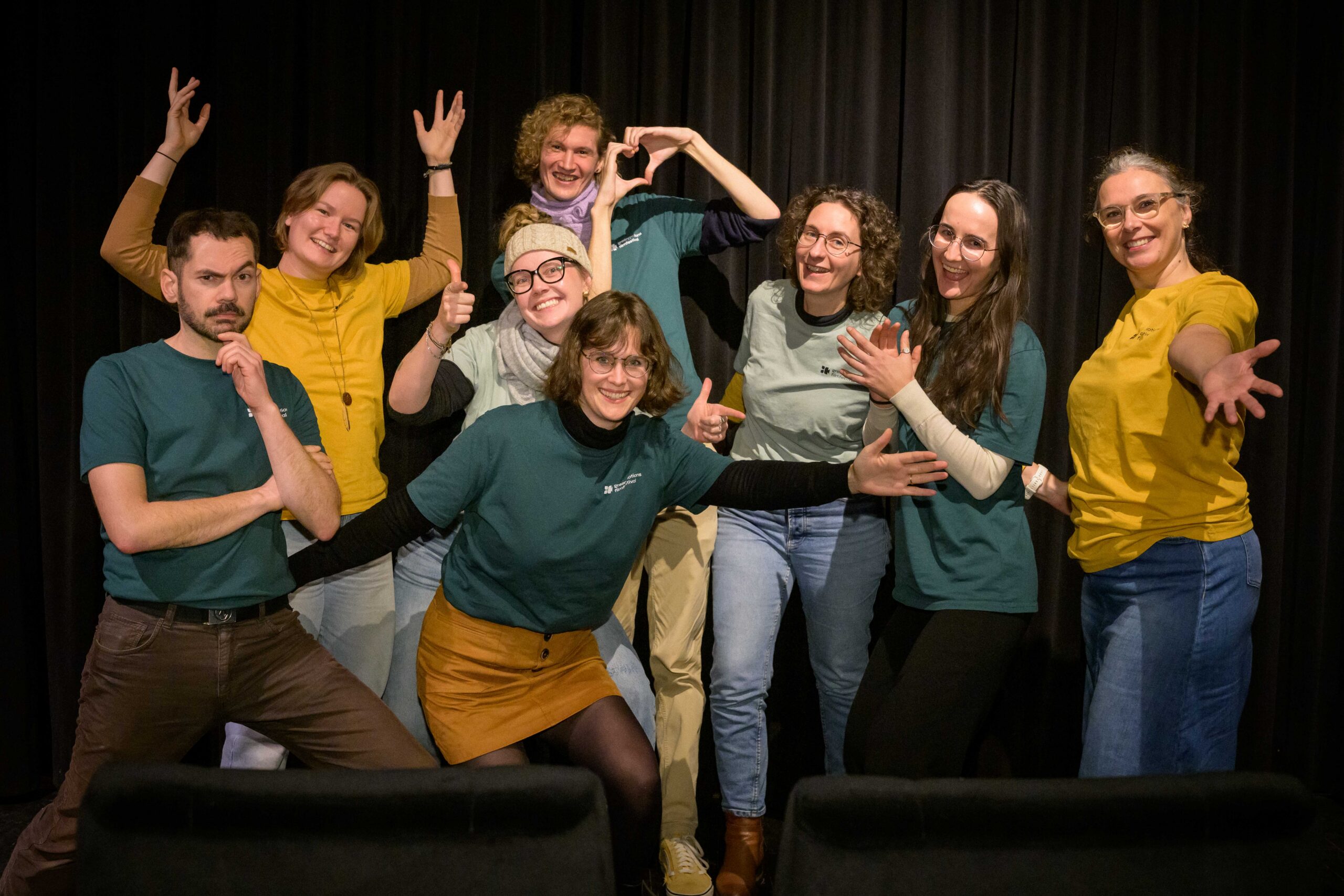
As has been the case (almost) every year since 2014, the Greenmotions Filmfestival has once again opened its doors to cinema and sustainability enthusiasts at Kommunales Kino in the Alter Wiehrebahnhof from 11 to 15 November 2026. This year, too, we have chosen a special topic to which we would like to devote particular attention through part of our programme: With ‘Recognition: Shining a light on the Invisible’, we are shining a light on people and realities that often remain unseen, even though they have a decisive influence on our social interactions and our collective well-being.
With over 900 visitors over five days, numerous sold-out events and a varied film programme, the festival was a resounding success. Thank you very much for turning out in such large numbers, and many thanks to all our sponsors and partners who made the festival possible. In this blog post, we’d like to look back with you on the highlights of the past few days.
Wednesday, Nov. 11th
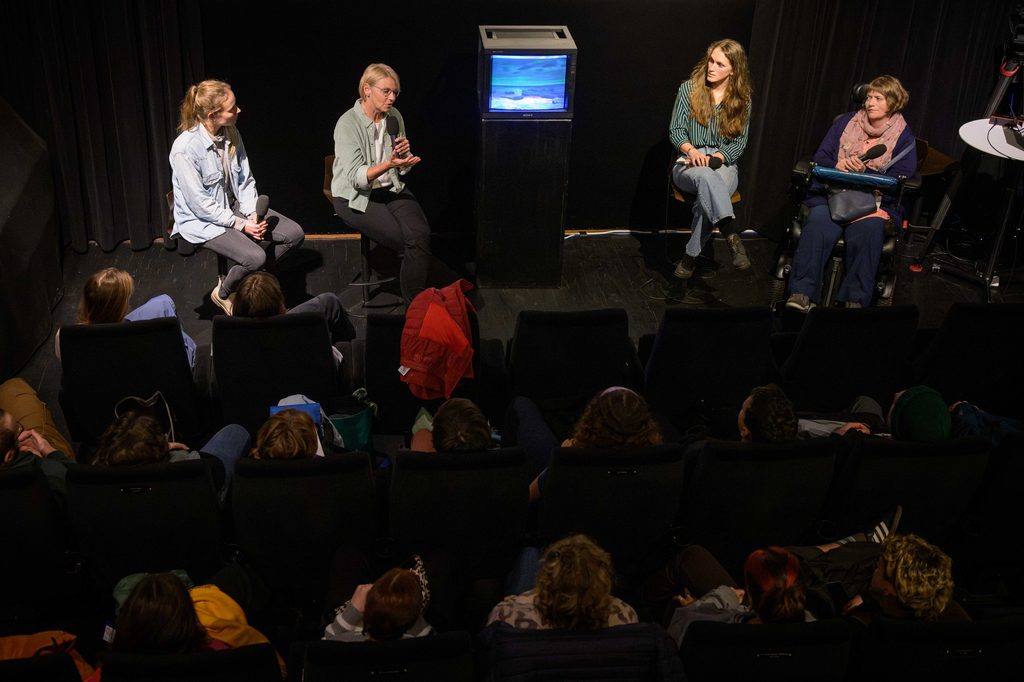
Right from the very first day, there was plenty going on at the Kommunales Kino: over 60 people turned up for the opening film, “Die Zärtliche Revolution” by Annelie Boroș, which explores what a society might look like in which care is at the heart of our efforts. Following the film, this question was also the subject of a fascinating discussion with the director, the Pacing Team Freiburg, Lucia Eitenbichler, director of the Ursulinenhof Oberried, an inclusive residential group, and Sarah Baumgart, the City of Freiburg’s representative for the interests of people with disabilities. The screening was complemented by the short film “Invisible Barriers” by the Freiburg-based association beneFit and director Severin Werner. “Die Zärtliche Revolution” is also one of the two winners in our special topic category. Congratulations!
The evening screening of “Fire, Water, Earth, Air”, which explores how Scandinavian communities are coping with increasingly extreme weather conditions, also attracted just under 70 members of the public to Kommunales Kino. Before the main film, Lena Tondello’s short film “Schulweg”, set in the Ahr Valley, was screened. The first day of the festival was therefore a resounding success!
Thursday, Nov. 12th
The second day of the festival began with the film “The Cost of Growth” by Thomas Maddens, which examines the current state of the climate movement in Europe.
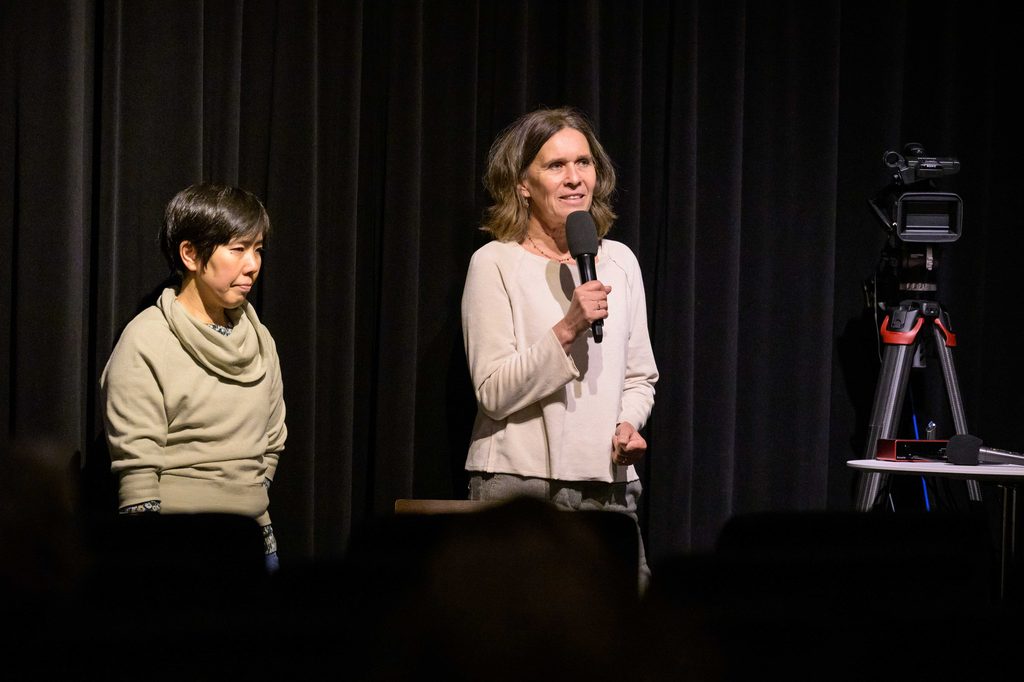
This was followed by the German premiere of “Back to Fukushima” by Thomas Licata. The film portrays life in the Fukushima prefecture more than ten years after the devastating tsunami and nuclear disaster. The screening was followed by a moving discussion with EWS Schönau and Mika Kumazaki from the Anti-nuclear-group Freiburg.
At the same time, we screened a colourful selection of international short films in the gallery of Kommunales Kino.
Over 100 people attended the evening screening of Jonas Spriestersbach’s film “Meanwhile in Namibia“, which explores Germany’s colonial legacy in the South African country. The film shares the 2026 Special Topic Award with “Die Zärtliche Revolution”. Congratulations!
Friday, Nov. 13th
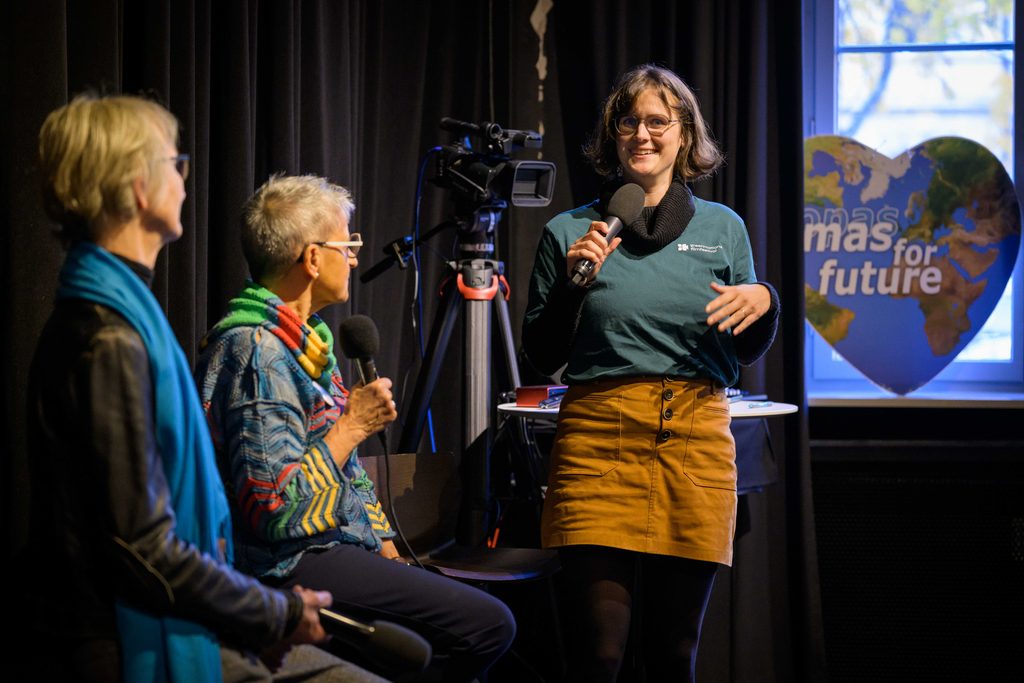
With over 210 guests in attendance, the festival really got into full swing on its third day. The day opened with the film “TROP CHAUD” by Benjamin Weiss. The film depicts the courageous struggle of the “KlimaSeniorinnen”, who, in their bid to demand greater climate protection from the Swiss government, took their case all the way to the European Court of Human Rights. Rita Schirmer, a member of the executive committee of KlimaSeniorinnen Schweiz, and Ursula E. Müller from Omas4Future Freiburg were on hand after the film for a question-and-answer session and discussion.
This was followed by another film from our special topic category: “THE CORD” by Nolwenn Hervé follows Carolina Leal as she takes it upon herself to provide essential medical care to pregnant women in Venezuela amidst a collapsing healthcare system.
Short film fans were also in for a treat on the third day of the festival: in the gallery of Kommunales Kino, we screened three short films on the theme of ‘Saving Ecosystems’ from Chile, Norway and Ukraine.
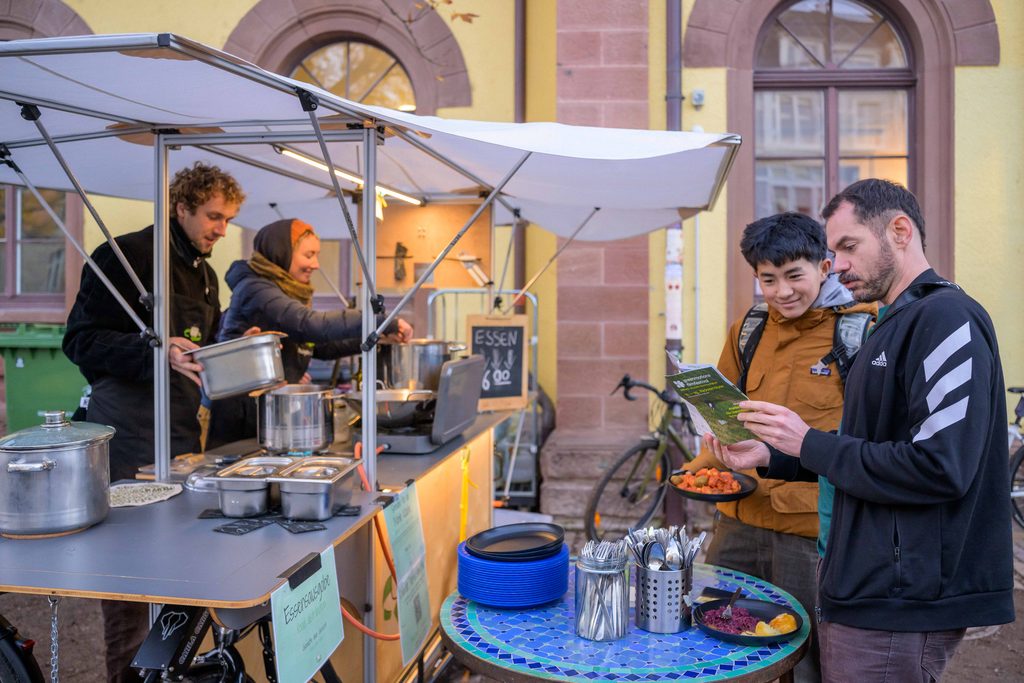
Another highlight on Friday: the Foodsharing Café set up on the forecourt of Kommunales Kino to provide our guests and other visitors with free, rescued food. Thank you very much for your commitment and the delicious support!
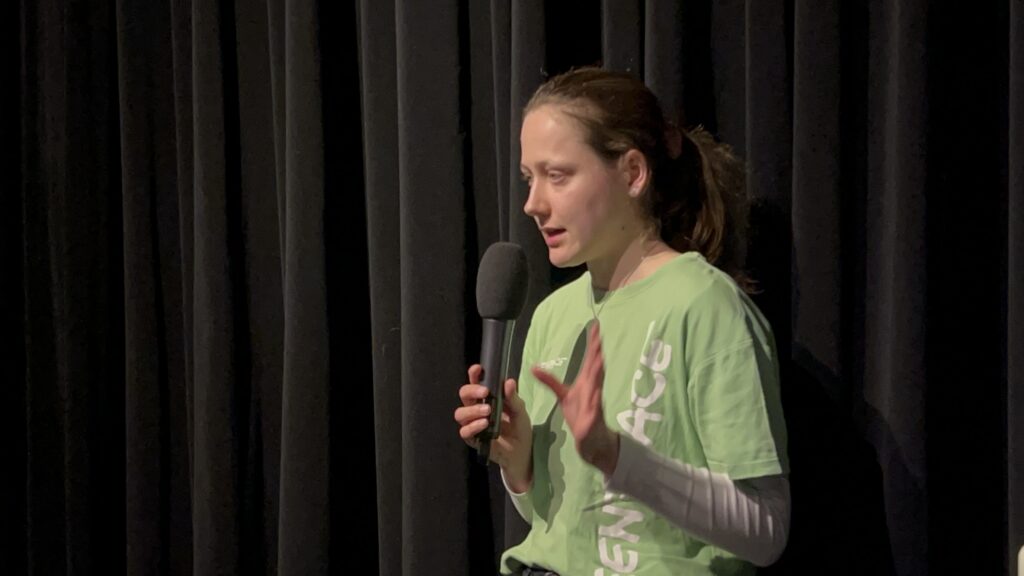
The third day of the festival drew to a close with ‘How Deep Is Your Love’ by Eleanor Mortimer, a film about the deep sea and the threat posed by deep-sea mining. Following the film, Franka Behle from Greenpeace Freiburg was on hand to answer questions from the audience of over 120 people.
Saturday, Nov. 14th
The fourth day of the festival began with an interactive session: during a two-hour workshop, David Buggle and Anne von Lucadou from Psychologists for Future spoke to participants about managing emotions in relation to the climate crisis.
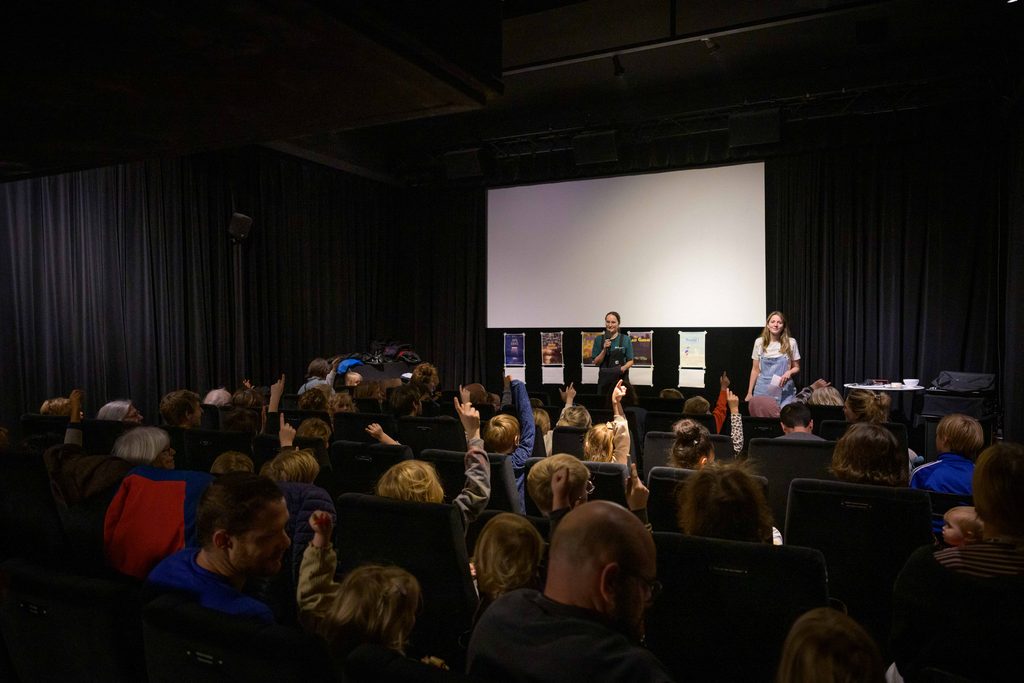
Our youngest guests also had a great time on Saturday morning – thanks to the kids’ programme: nearly 60 young visitors and their carers were able to enjoy a varied programme of short films on the themes of sustainability and environmental protection, and then vote for their favourite film.
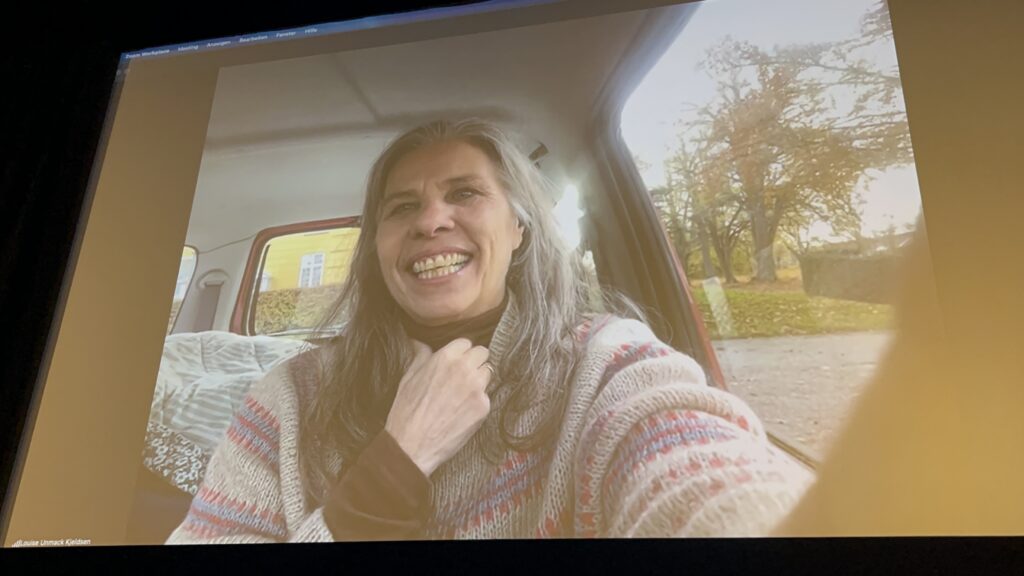
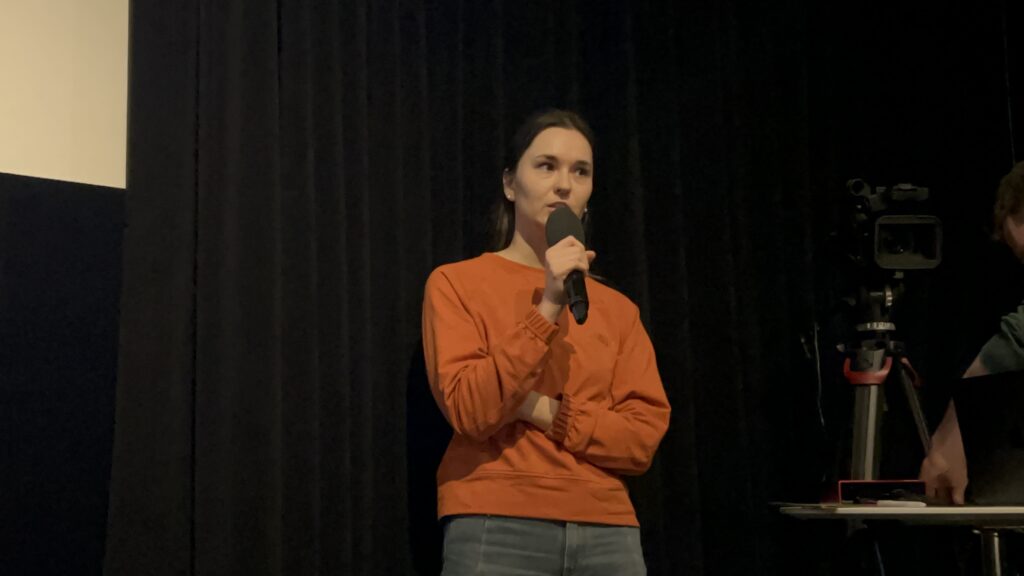
Another feature in our special topic programme on Saturday afternoon was the film “Menopause Mystery” by Louise Unmack Kjeldsen, accompanied by the short film “Sieh mich” by Marta Fleischauer. The films shed light on various aspects of women’s health. Both directors were present after the screenings (online and in person respectively). This led to a thought-provoking and emotional discussion, during which the filmmakers and those affected in the audience alike shared their personal experiences of a lack of recognition and awareness within society and amongst healthcare professionals.
The film “Lipstick on a Pig” by Patrick Destiné offered a glimpse behind the scenes of the pig industry and was followed by an online Q&A session with Emil Brix, project manager for Food Sovereignty at NOAH Denmark.
At the same time, Mathias Frick’s film “Climate Art”, screened in the gallery, raised the question of what role art plays, can play and should play in the fight against the climate crisis. The screening was accompanied by the short film “Balconada” by Iva Tokmakchieva.
Early on Saturday evening, we screened the Australian film “Yurlu | Country” by Yaara Bou Melhem, a heartfelt ode to Yurlu (homeland) and an intimate portrait of the final year in the life of the elder of an Aboriginal community, who is trying to preserve his culture and share his homeland, which is criss-crossed by the largest contaminated site in the Southern Hemisphere.
The highlight of the penultimate day of the festival was the film “Nuisance Bear” by Jack Weisman and Gabriela Osio Vanden, which explores the coexistence of humans and polar bears in northern Canada – a relationship that is becoming increasingly fraught due to the shrinking sea ice caused by climate change. Following the screening, Verena Mohaupt from the Alfred Wegener Institute answered questions from the audience of nearly 80 people.
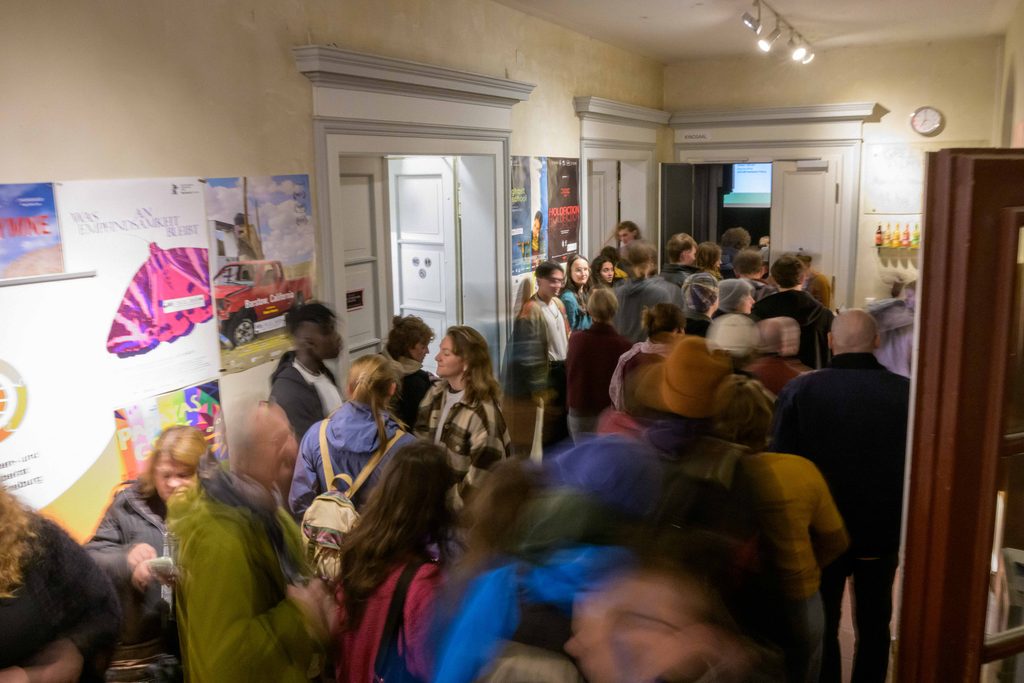
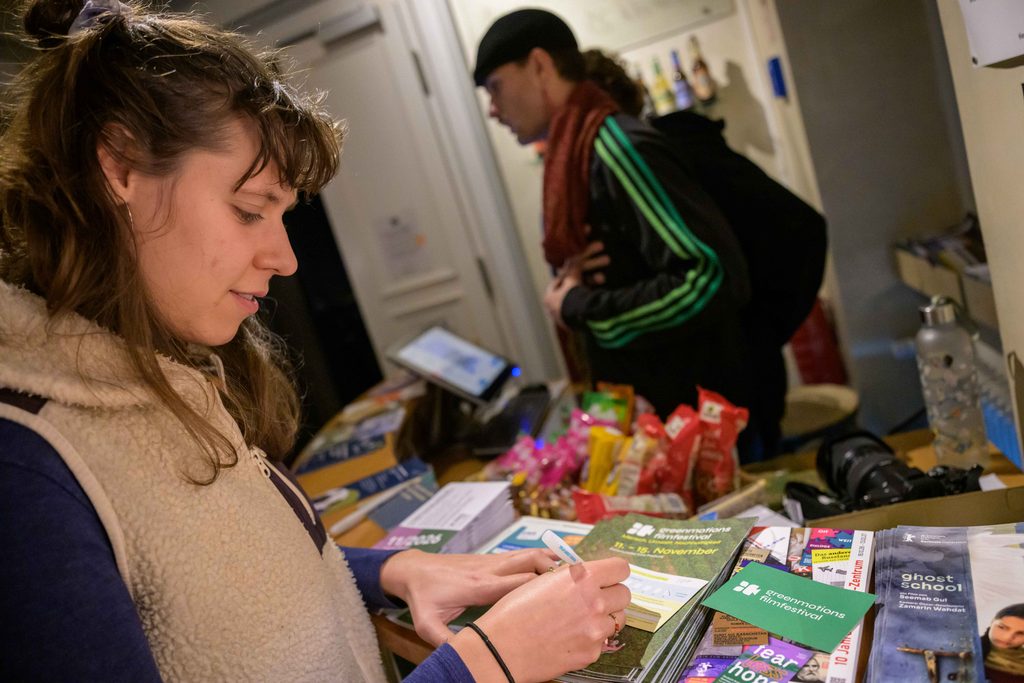
Sunday, Nov. 15th
In keeping with the tradition of recent years, the final day of the festival opened with a buffet made from rescued food. In keeping with the theme, this was followed by a screening of James Dawson’s film “Derek vs Derek”, which explores the conflict between conventional agriculture and nature conservation in England. The director was available online to answer questions after the film. Of all the films in the Audience Award category, this film received the highest rating and was therefore chosen as the winner. Congratulations!
The kids’ programme was screeneed for the second time on Sunday afternoon. The majority of the young visitors who attended the two sessions on Saturday and Sunday voted Nicolas Bianco-Levrin’s film “Nutissimo” as the winner. Congratulations!
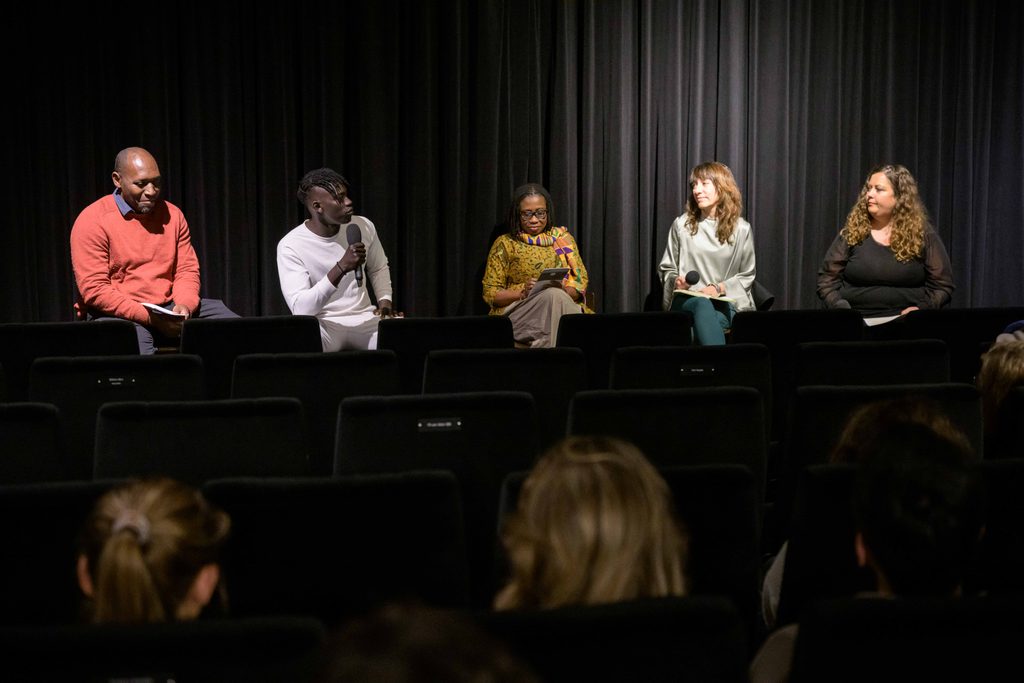
The final feature-length film of the 2026 Festival was once again one that tied in with our special topic: Jean François Ravagnan’s film “The Last Shore” offers an extremely moving portrait of the young Gambian Pateh Sabally, who took his own life in Venice after fleeing to Europe in 2017. Following the film, a panel discussion took place on the topic ‘Building the Mosaic: Pluralism by Design’, featuring cultural and migration activist Kirstie Angstmann, Gustave Nango-Fotso from the City of Freiburg’s Integration Management Department, Chiara Perrone, a teacher at an international school in Freiburg, and Daniela Eneh from Migrant*innebeirat Freiburg.
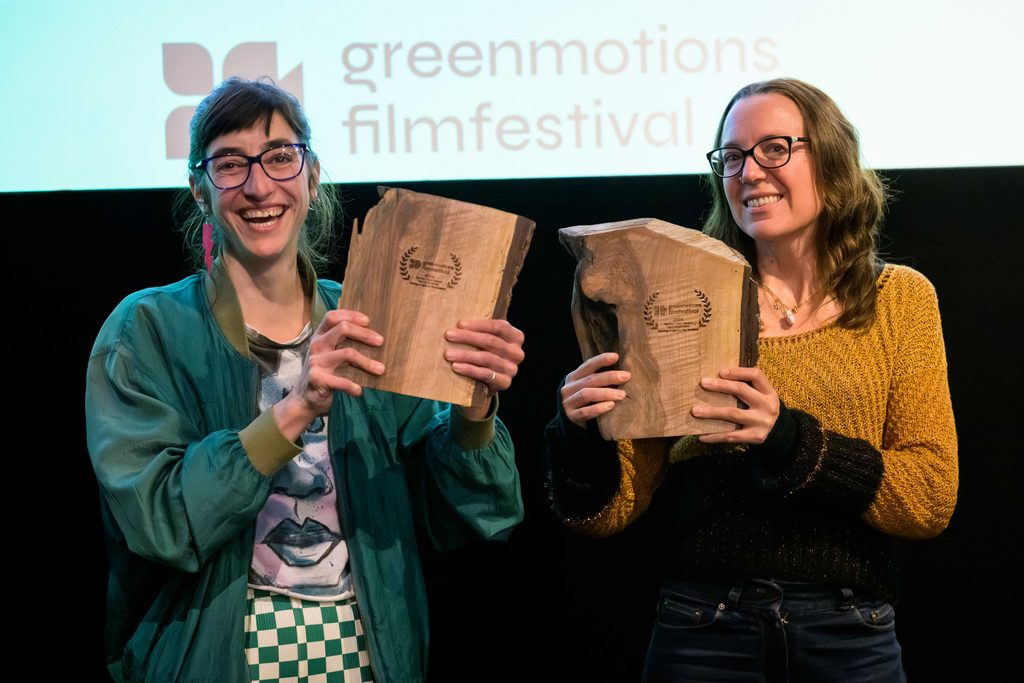
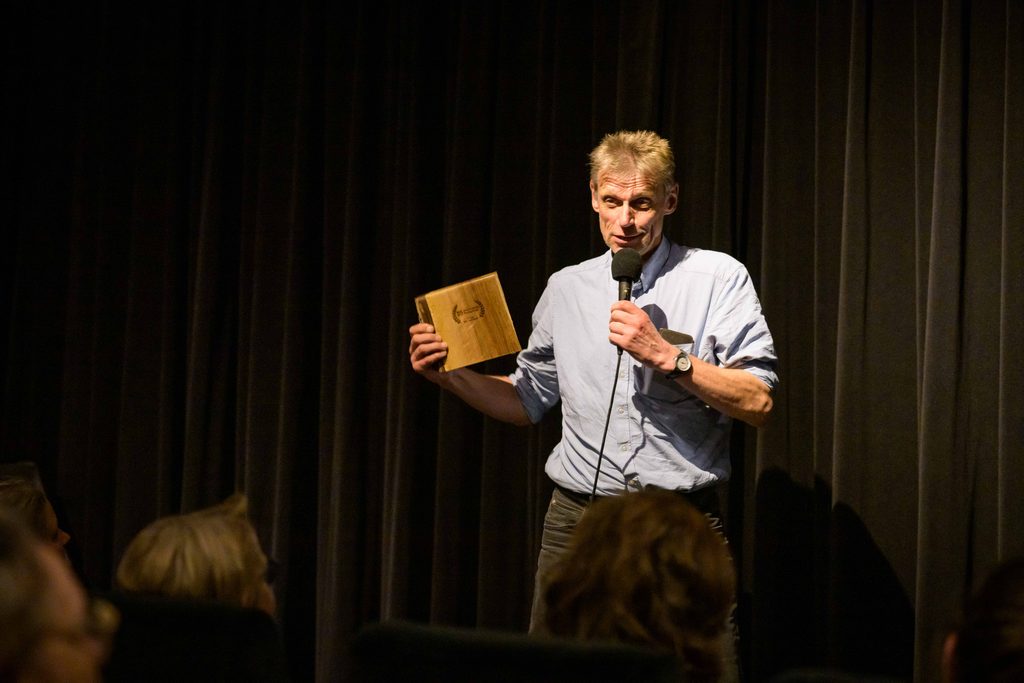
As is the case every year, the legendary short film competition, followed by the awards ceremony, provided the grand finale to the festival on Sunday evening. Of the short films screened, our short film jury selected “The Guinan Sand Lizard” by Yihe Chen as the winner. Congratulations!
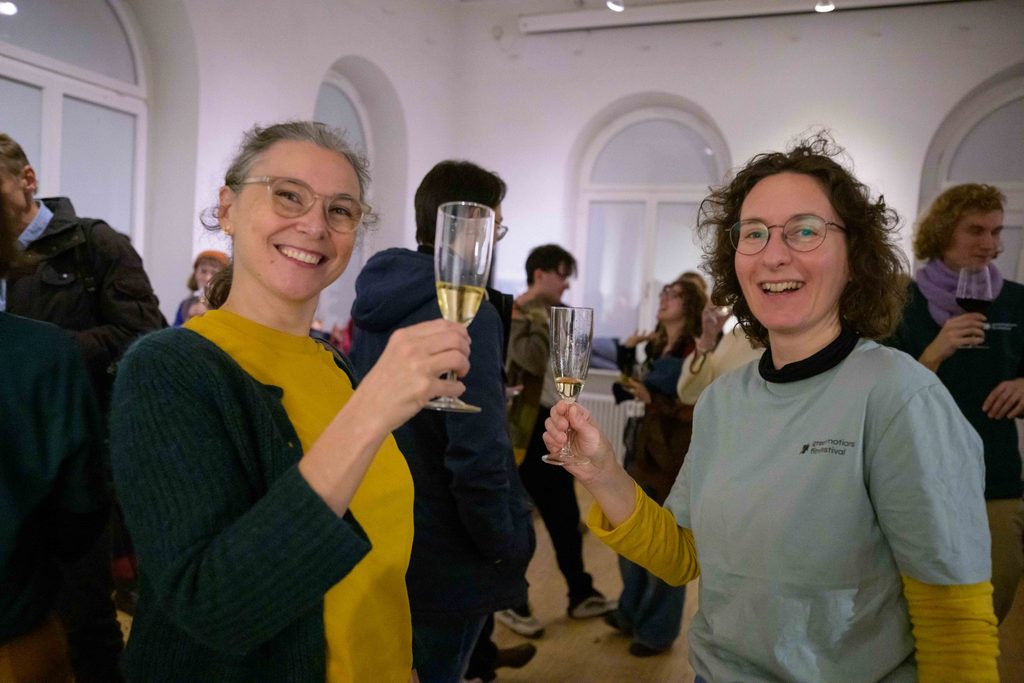
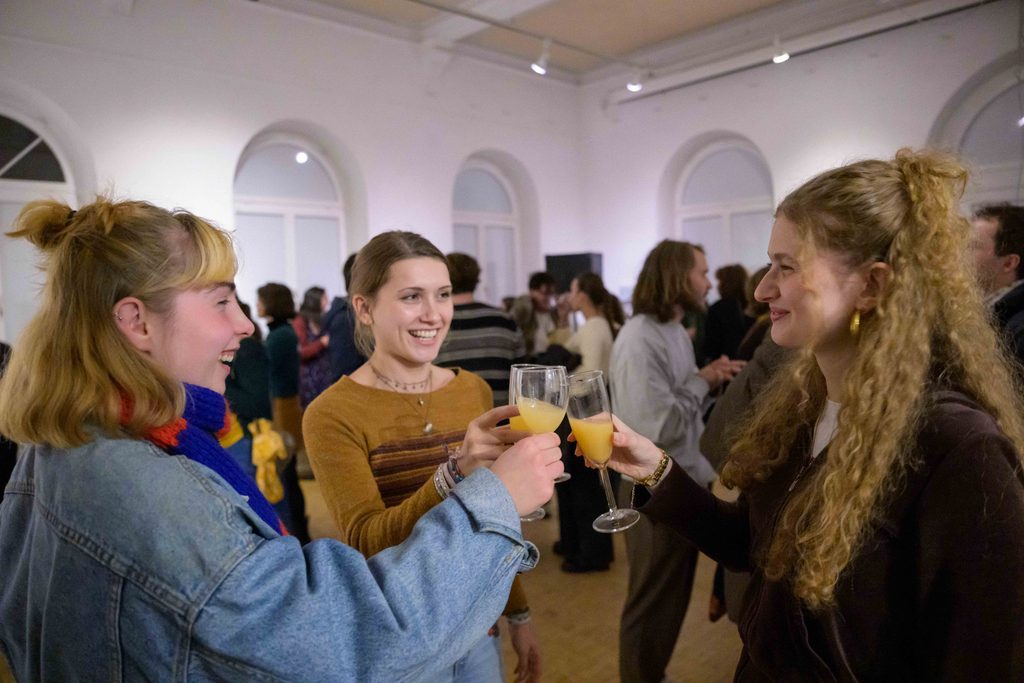
To round off the festival together, the Greenmotions organising team hosted an after-party in the gallery of Kommunales Kino following the awards ceremony, featuring music by DJ Mitona and sparkling wine and wine, sponsored by the Andreas Dilger Winery.