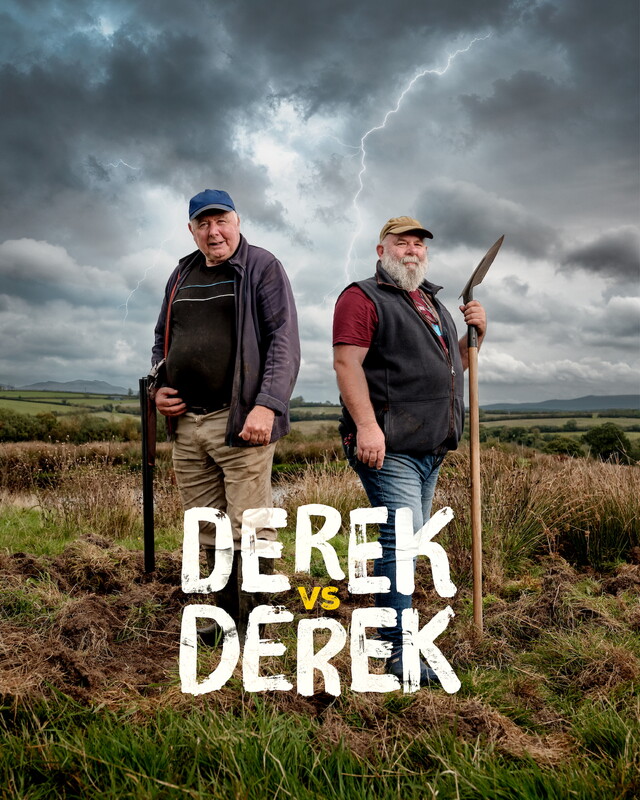
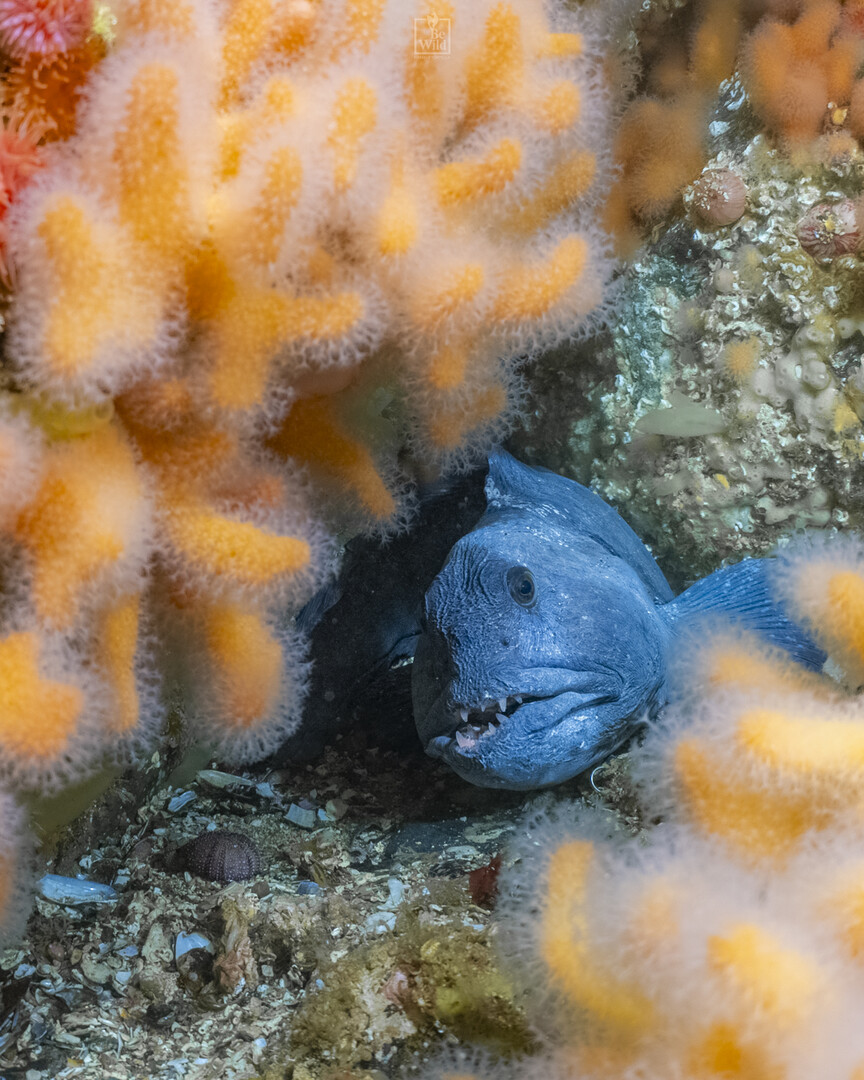
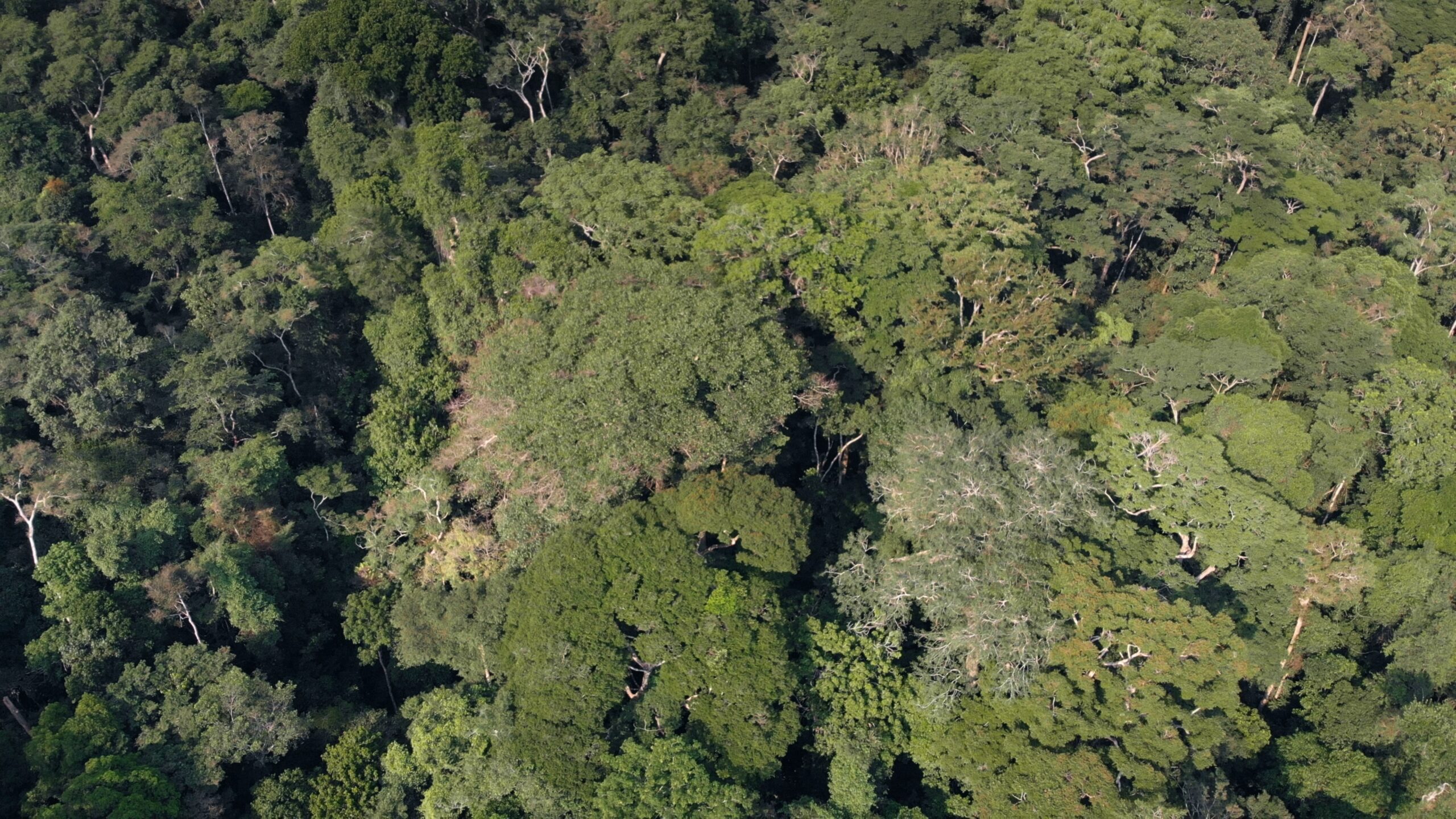
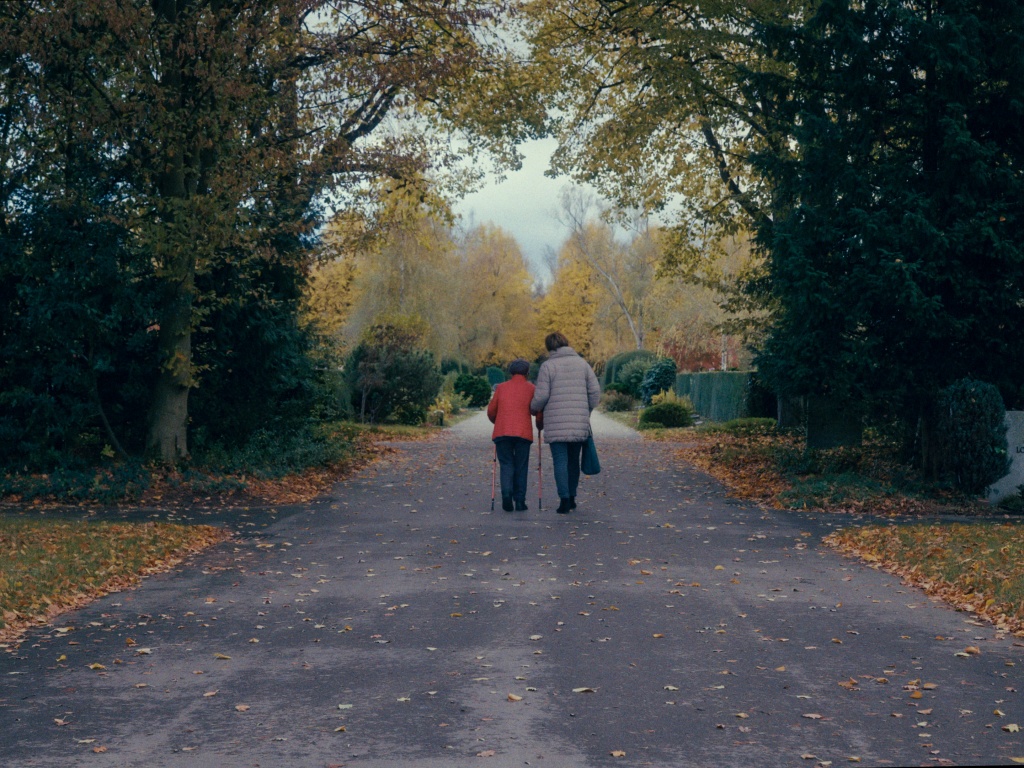
Despite sharing a first name, the neighbours Derek Gow and Derek Banbury hardly see eye to eye. While Gow transforms his land into a refuge for wildlife, Banbury intends to keep his intensive dairy farm running in spite of all the boars and beavers that now live next to his property.
“Derek vs Derek” asks, how land-use can create spaces for animals, that had been abundant a few decades ago but have now all but vanished in the UK and other places in Europe where intensive agriculture has claimed large swathes of land. The movie is not least shaped by one characteristic shared by both Derek’s: An unrelenting sense of humor.
After the film there will be a Q&A with director James Dawson who joins us online.
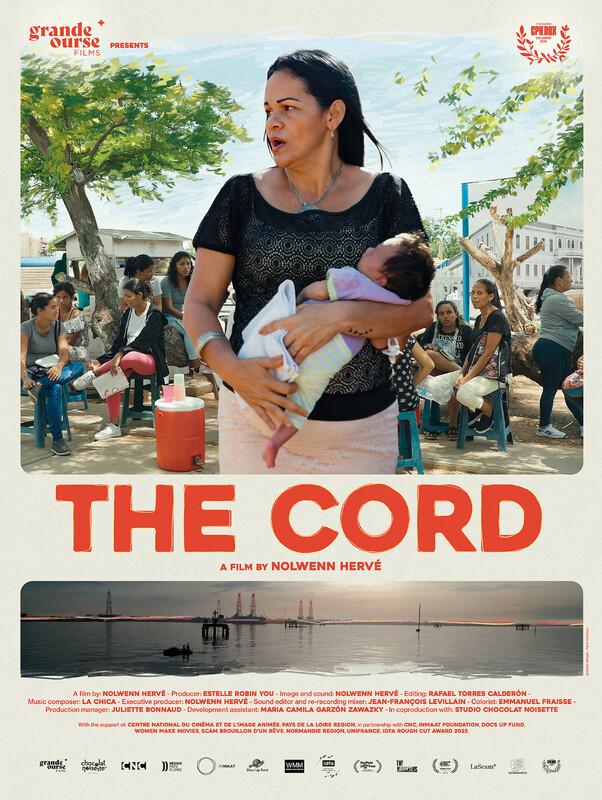
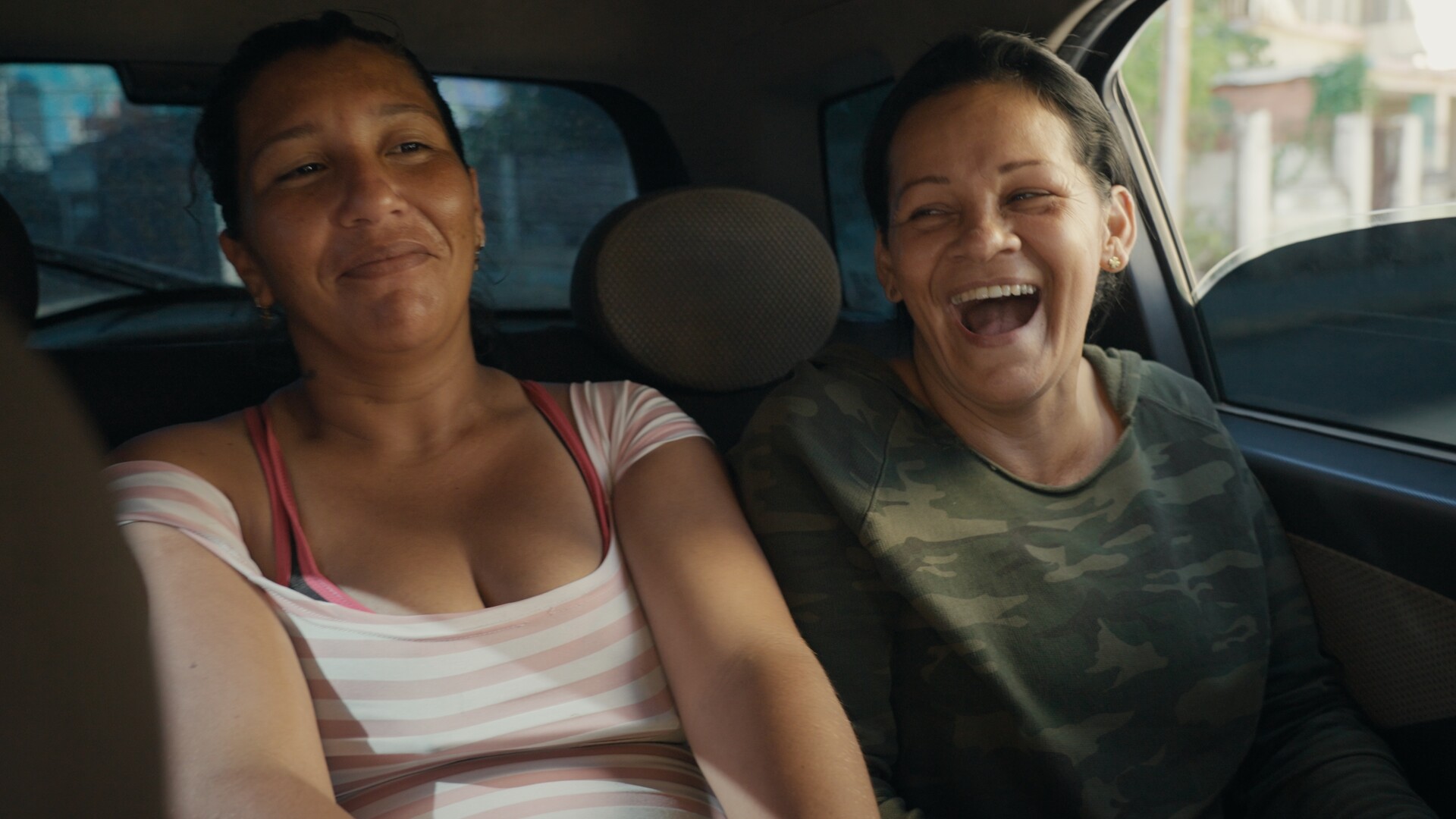
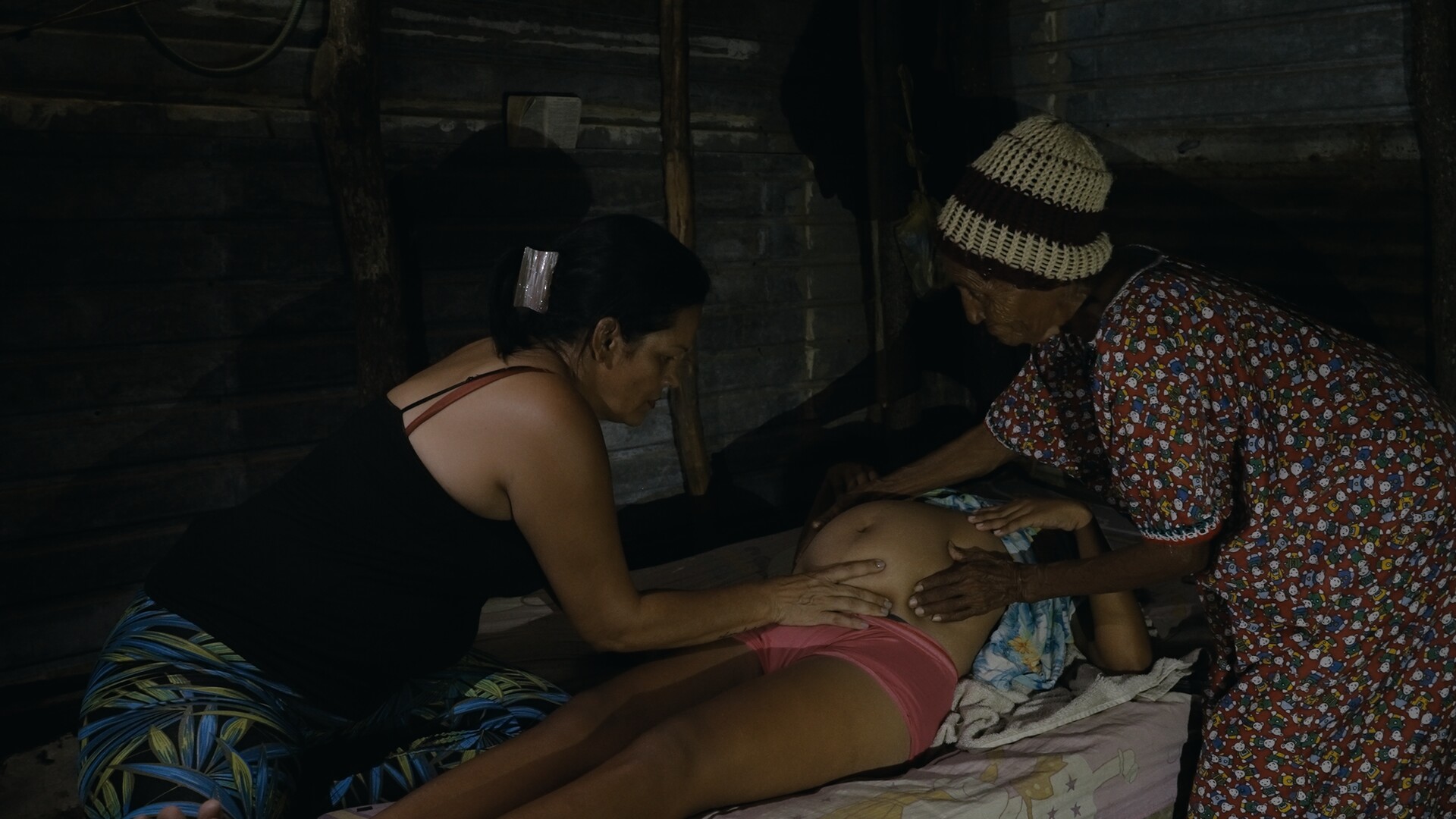
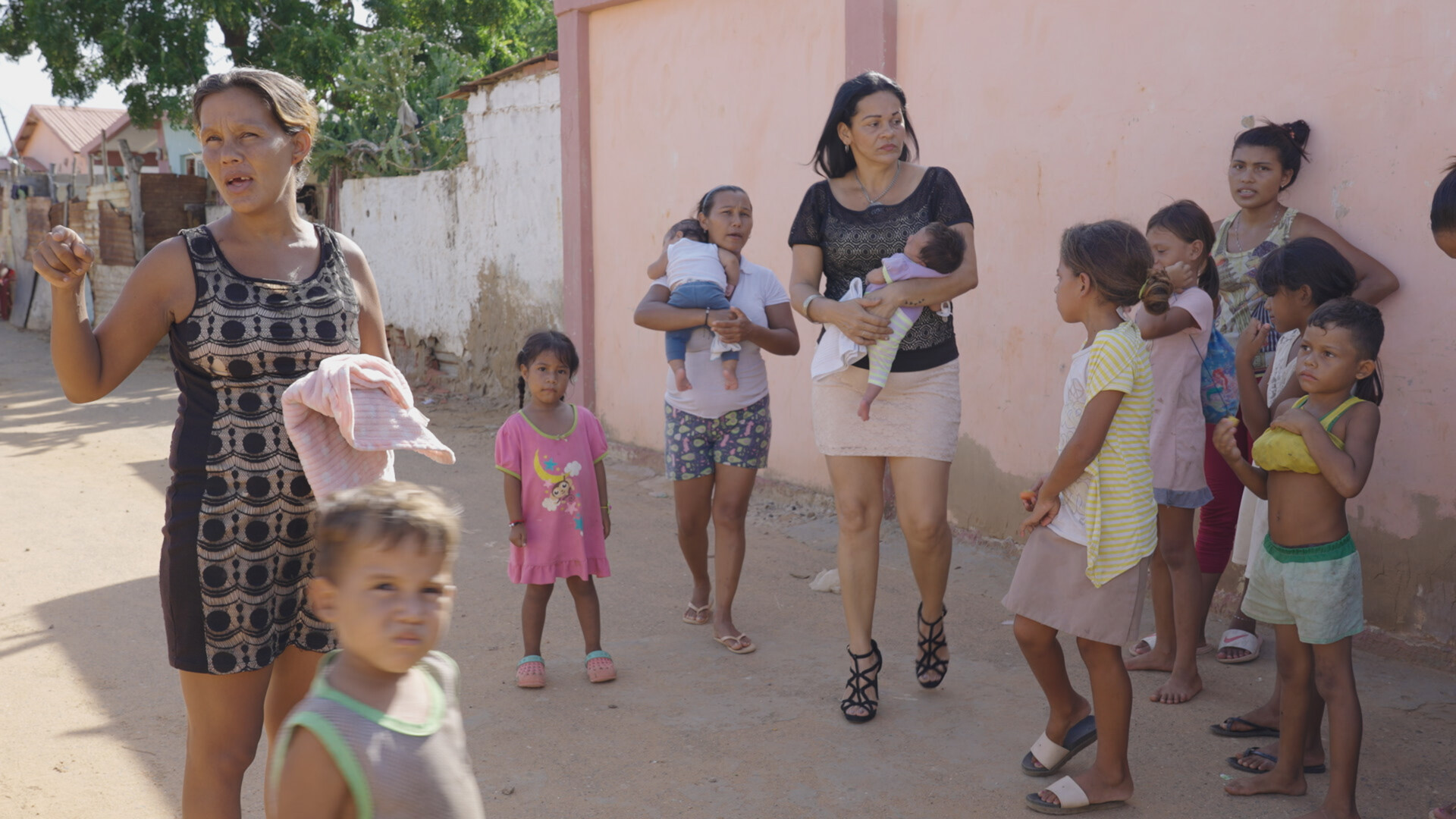
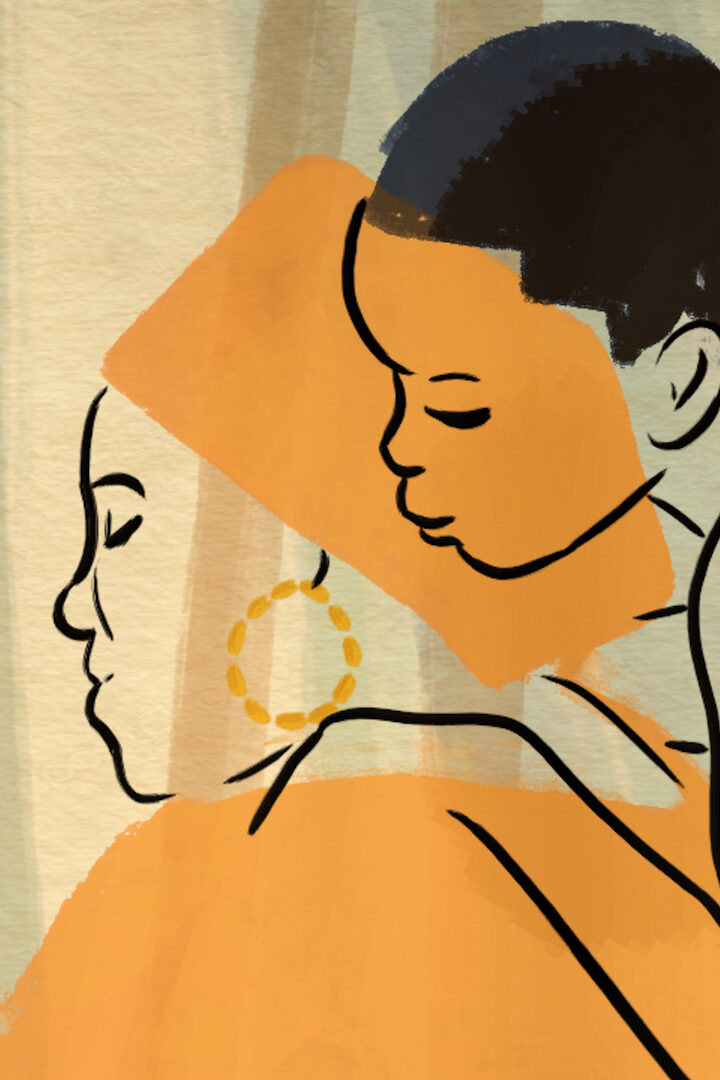
In Venezuela the healthcare system hangs on by a thread. For pregnant women going into labour, that often means having to bring their own medical supplies in order to be admitted into hospitals. “The Cord” follows Carolina Leal, who runs an organisation to help mothers and newborns get medical supplies and access to hospitals.
Leal’s tireless fight for pregnant women and their right for medical care sets an example for selfnessness. She demonstrates the value of caring for others in your community, when your institutions fail.
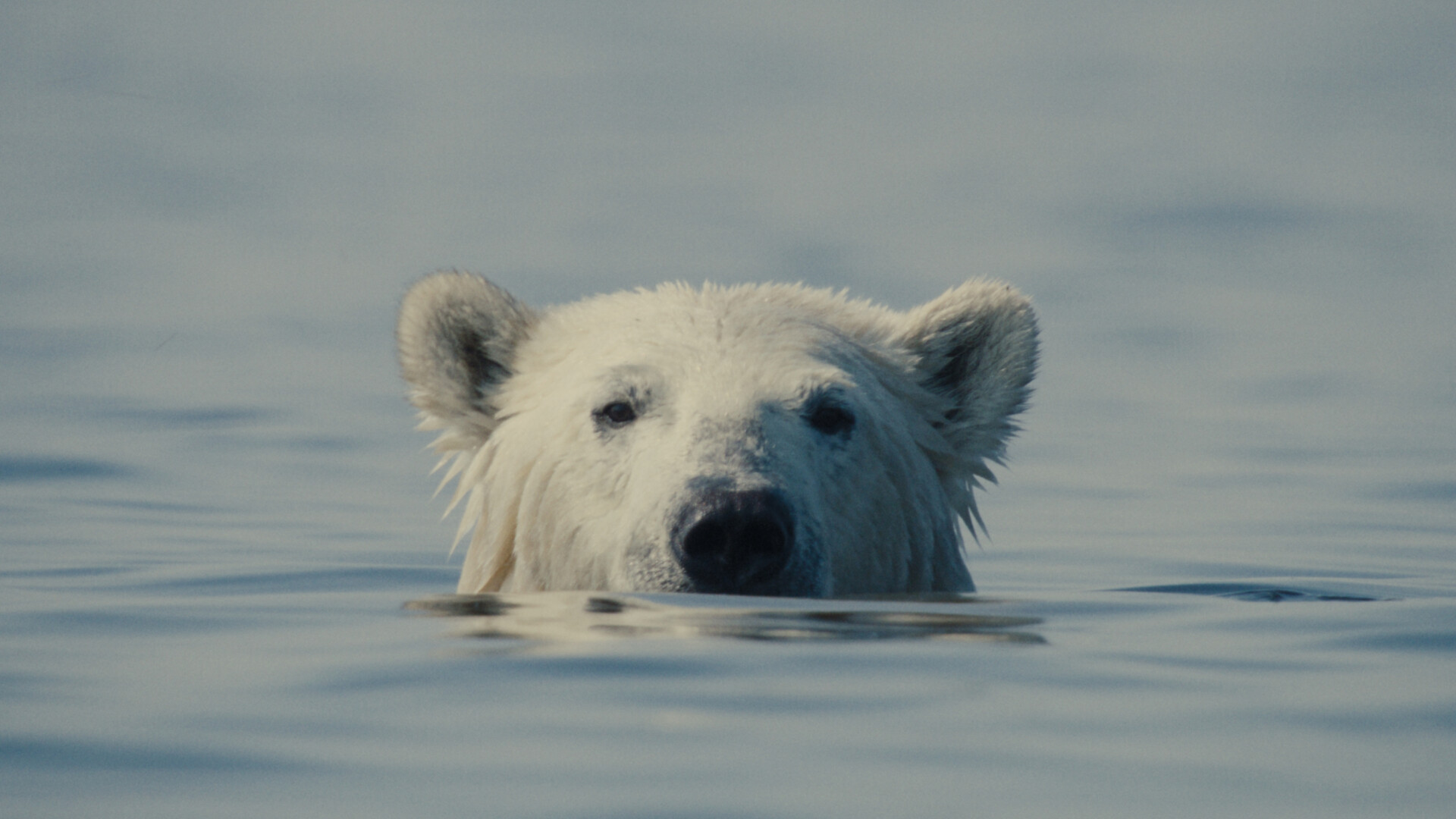
For decades, scientists have warned about the consequences of melting sea-ice for polar bears. At the shore of the polar sea this change also affects more and more communities, who have to deal with these dangerous animals coming ever closer to humans in the search for food.
The movie follows one of these so-called “Nuisance bears”, an “Avinnaarjuk” that repeatedly approaching human settlements in the arctic summer months. As these visits become more frequent, the risk for conflict between human and animal rises. Narrated by Inuktitut elder Mike Tunaalaq Gibbons “Nuisance Bear” offers perspectives of those, who have lived close to polar bears for generations. As the world around them changes, both polar bear and human have to adapt to a new reality brought on by climate change.
There will be a discussion with Verena Mohaupt of the Alfred-Wegener-Institute after the film.
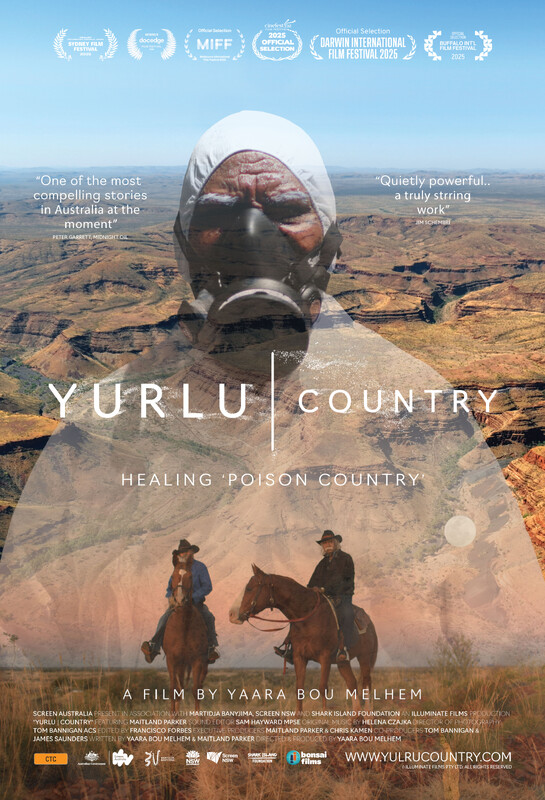
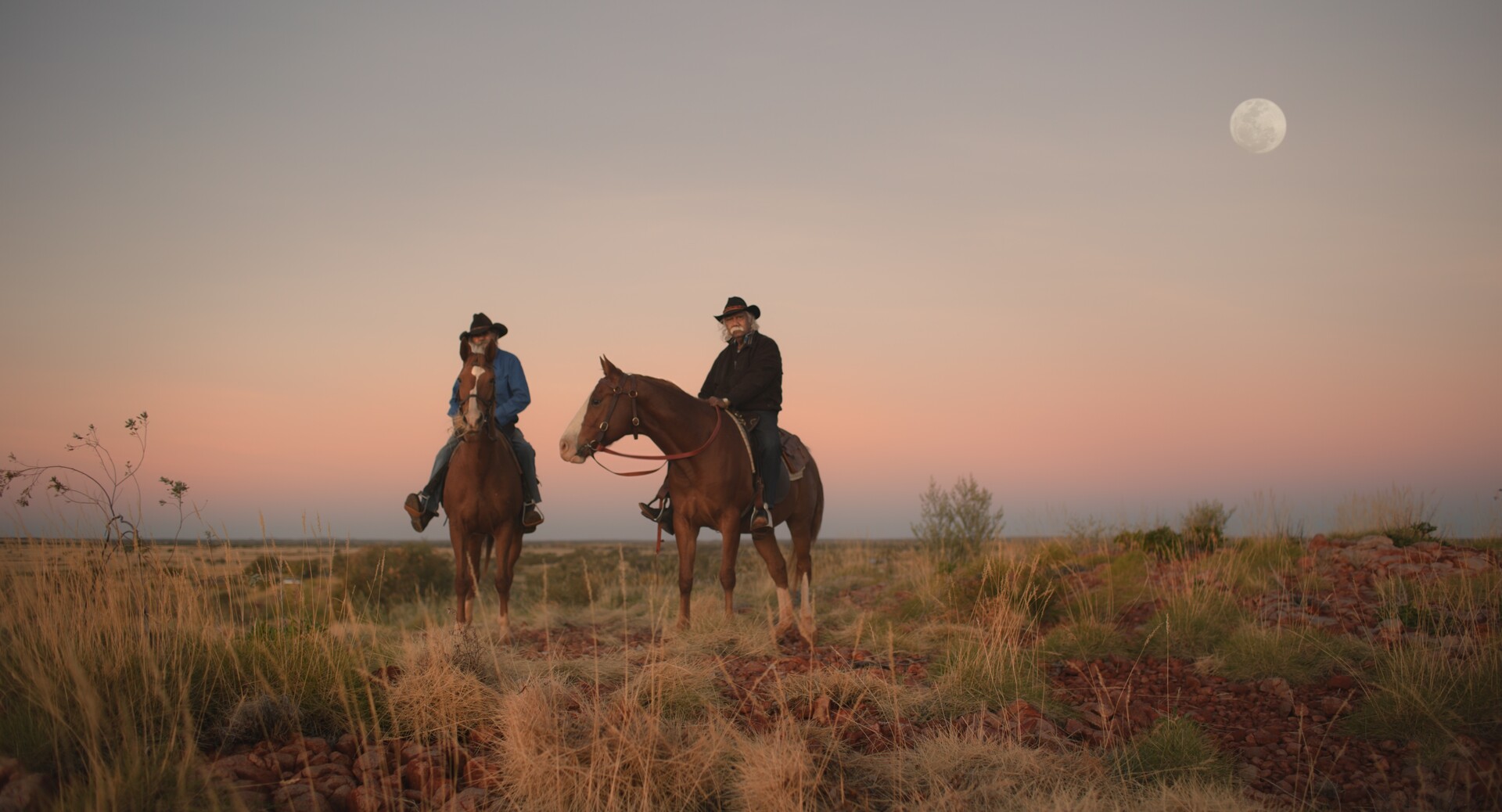
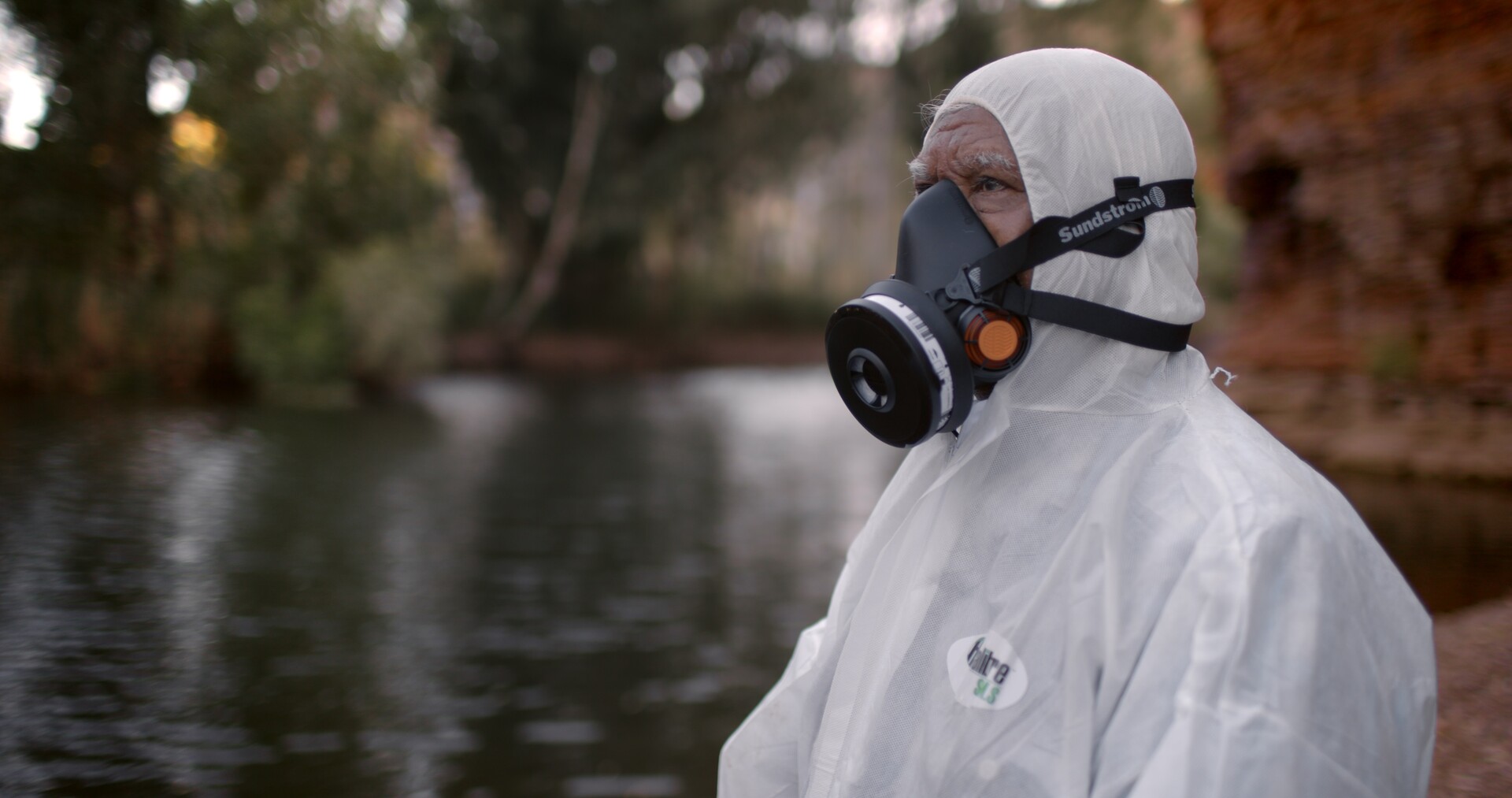
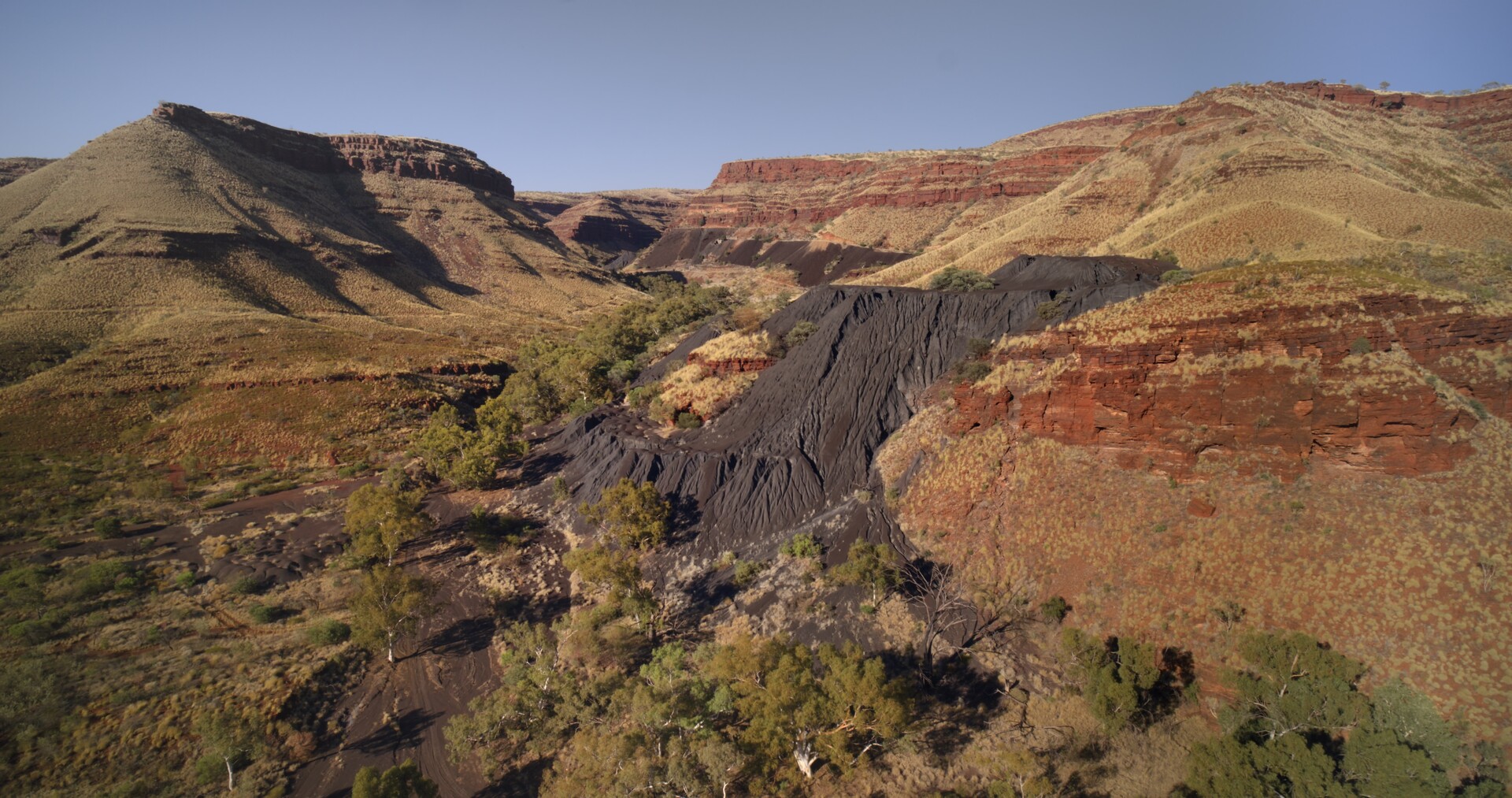
A vivid ode to Yurlu (homeland) and an intimate portrait of an Aboriginal elder’s final year as he strives to preserve his culture and heal his homeland, scarred by the largest contaminated site in the Southern Hemisphere.
Banjima Elder, Maitland Parker, calls his Yurlu “Poison Country” – a haunting, toxic truth etched into his body. Set against the breathtaking yet contaminated landscapes of Western Australia’s Pilbara region, YURLU | COUNTRY lays bare the devastating impact of the Wittenoom asbestos mines, where millions of tonnes of waste laced with deadly asbestos fibres have poisoned both land and people. The movie sheds light on the barely known impacts of last century’s building practices on the places where the material was extracted. But Maitland Parker’s story is also an inspiring example of the resilience of communities that have been fighting for justice for decades.
Languages: English & Russian & Ukrainian / Spanish / English
Subtitles: English
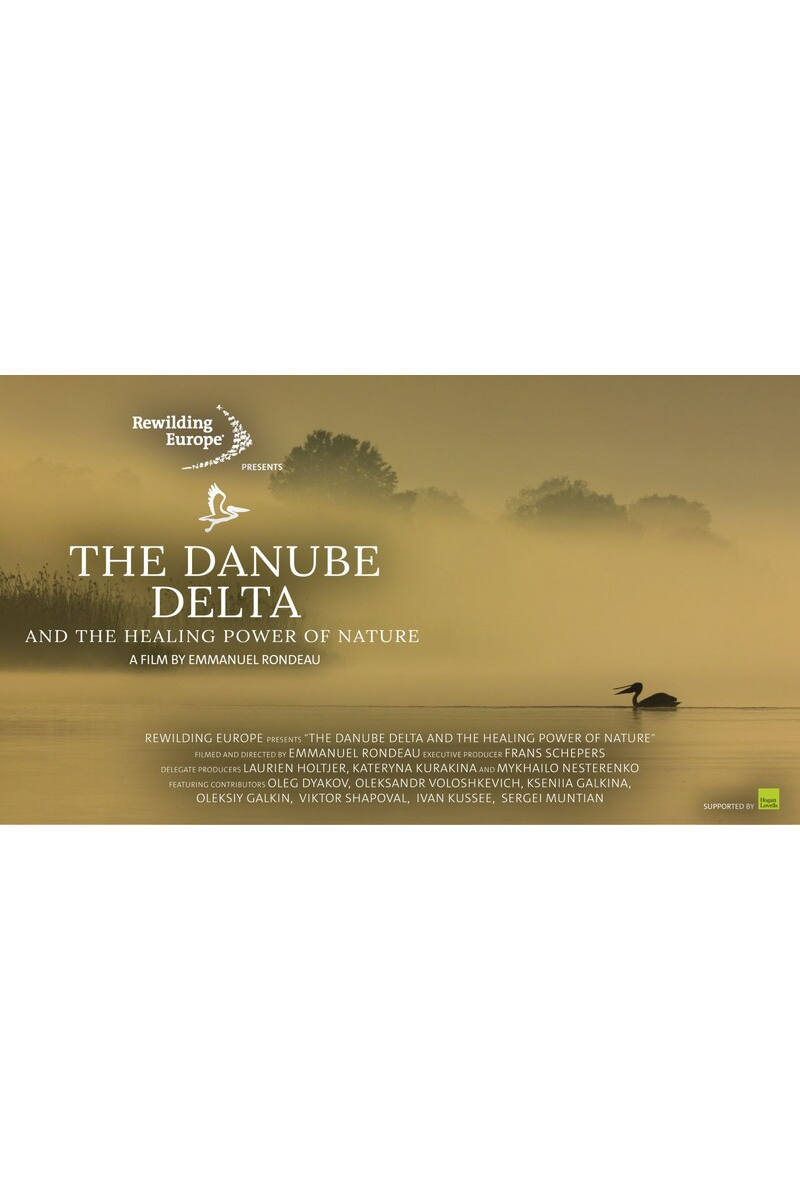
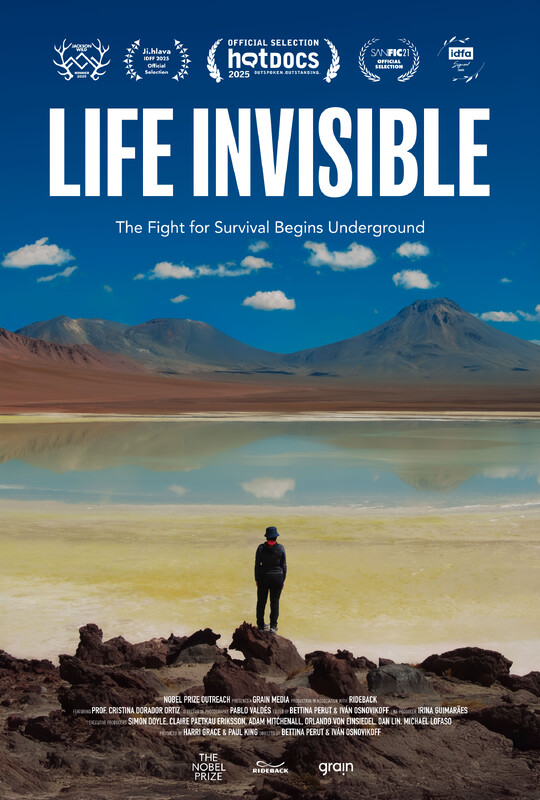
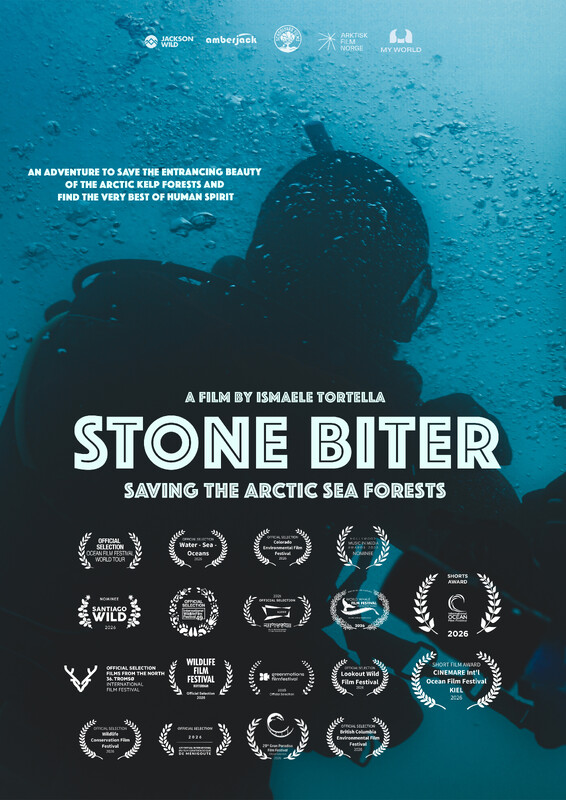
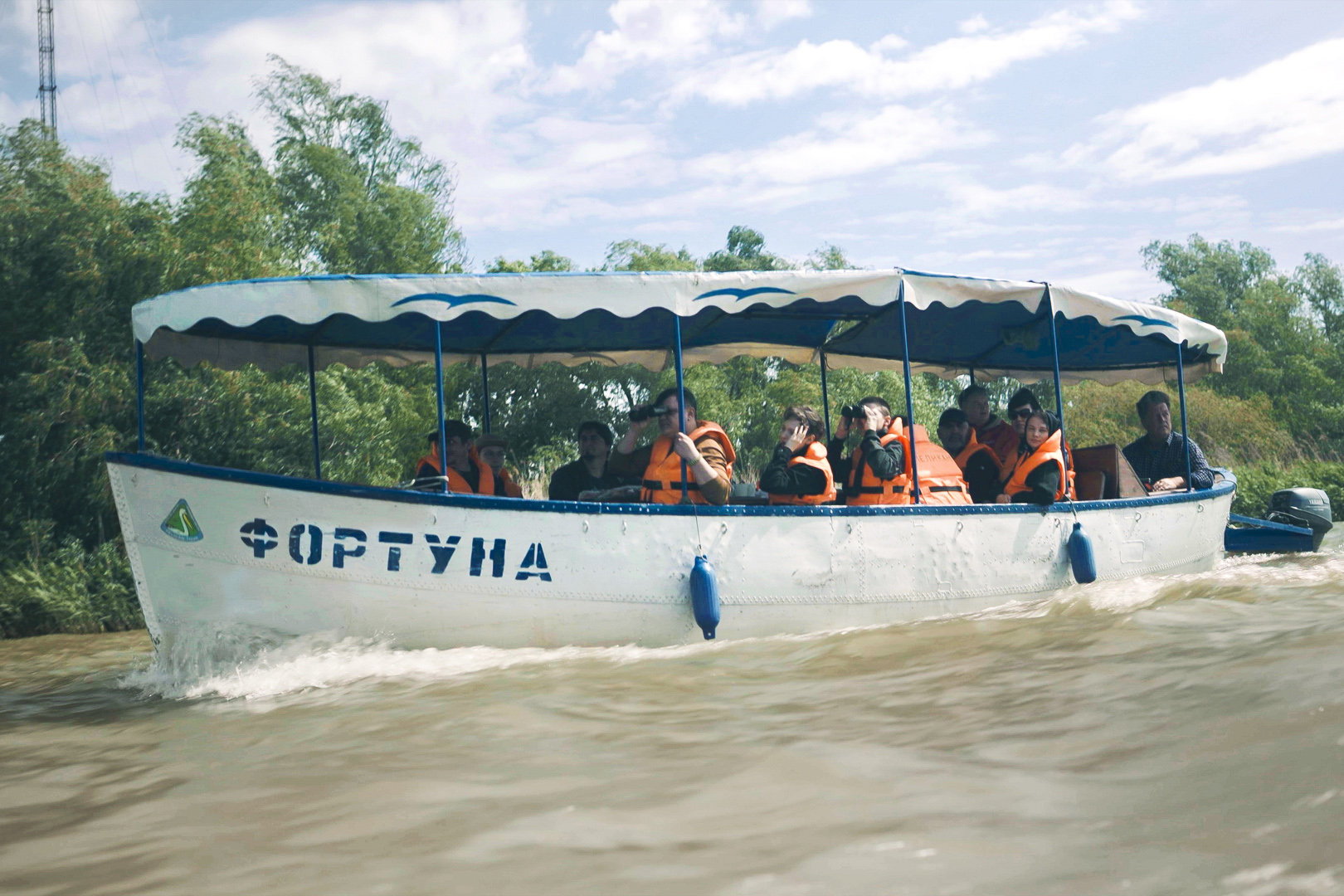
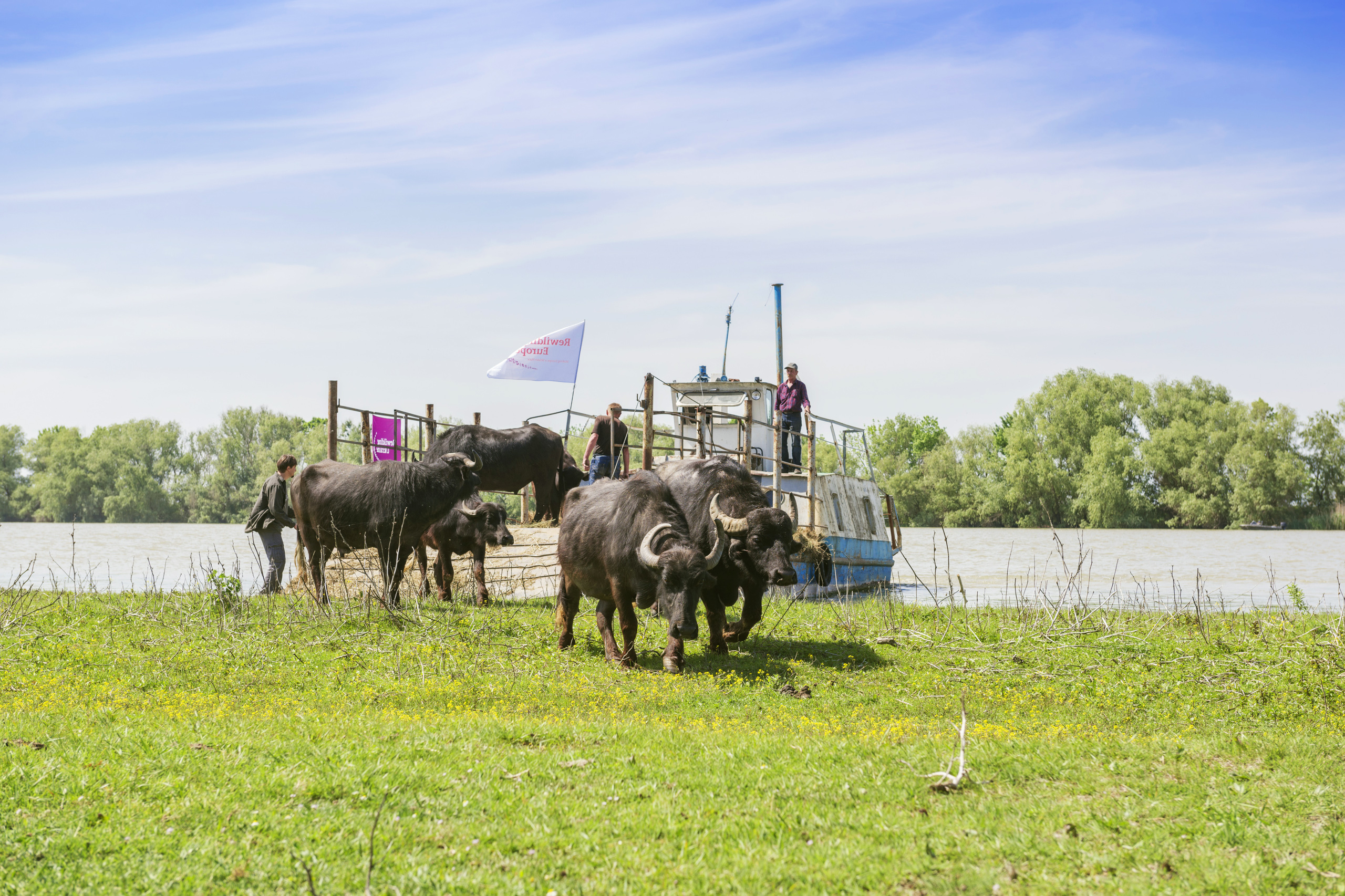
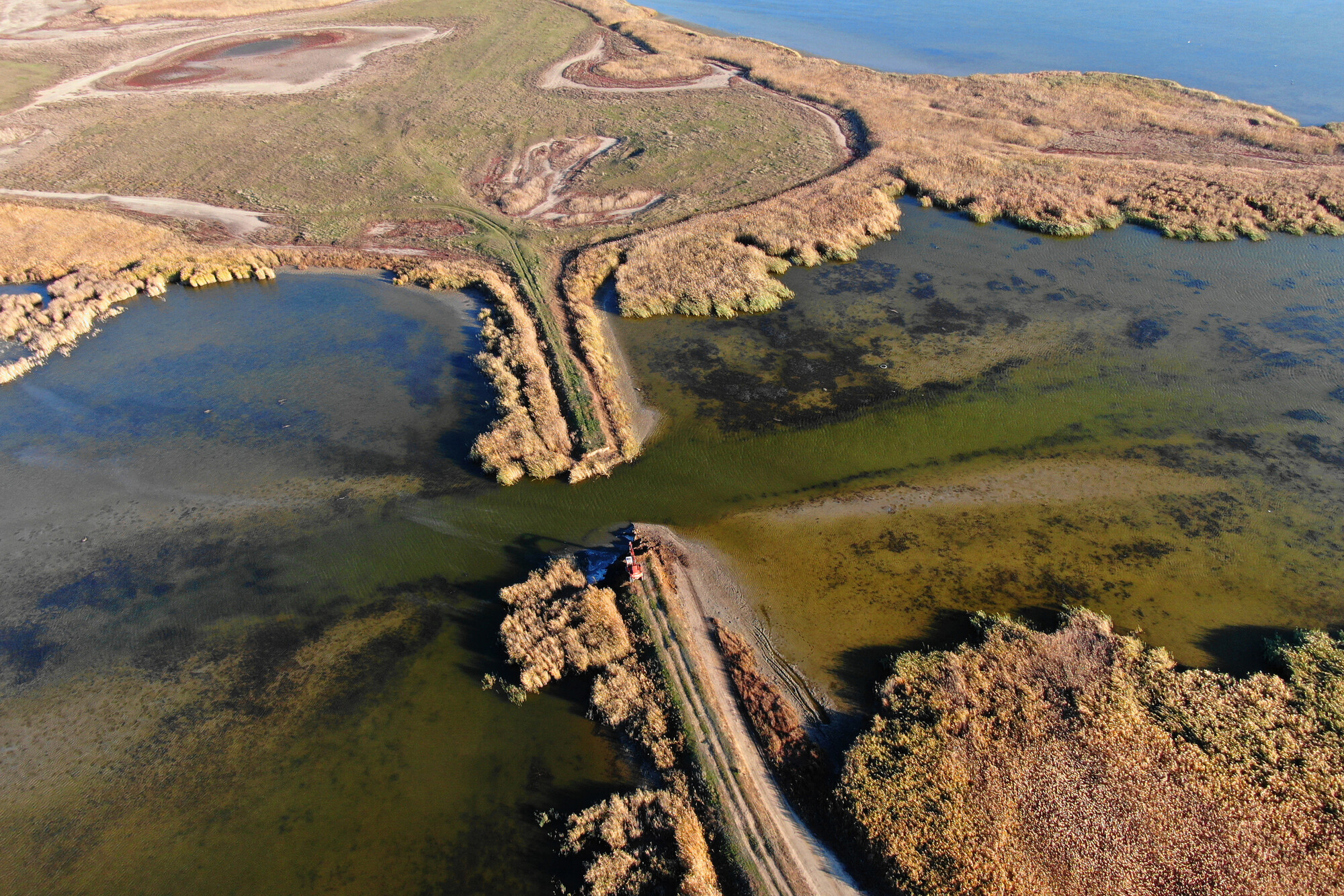
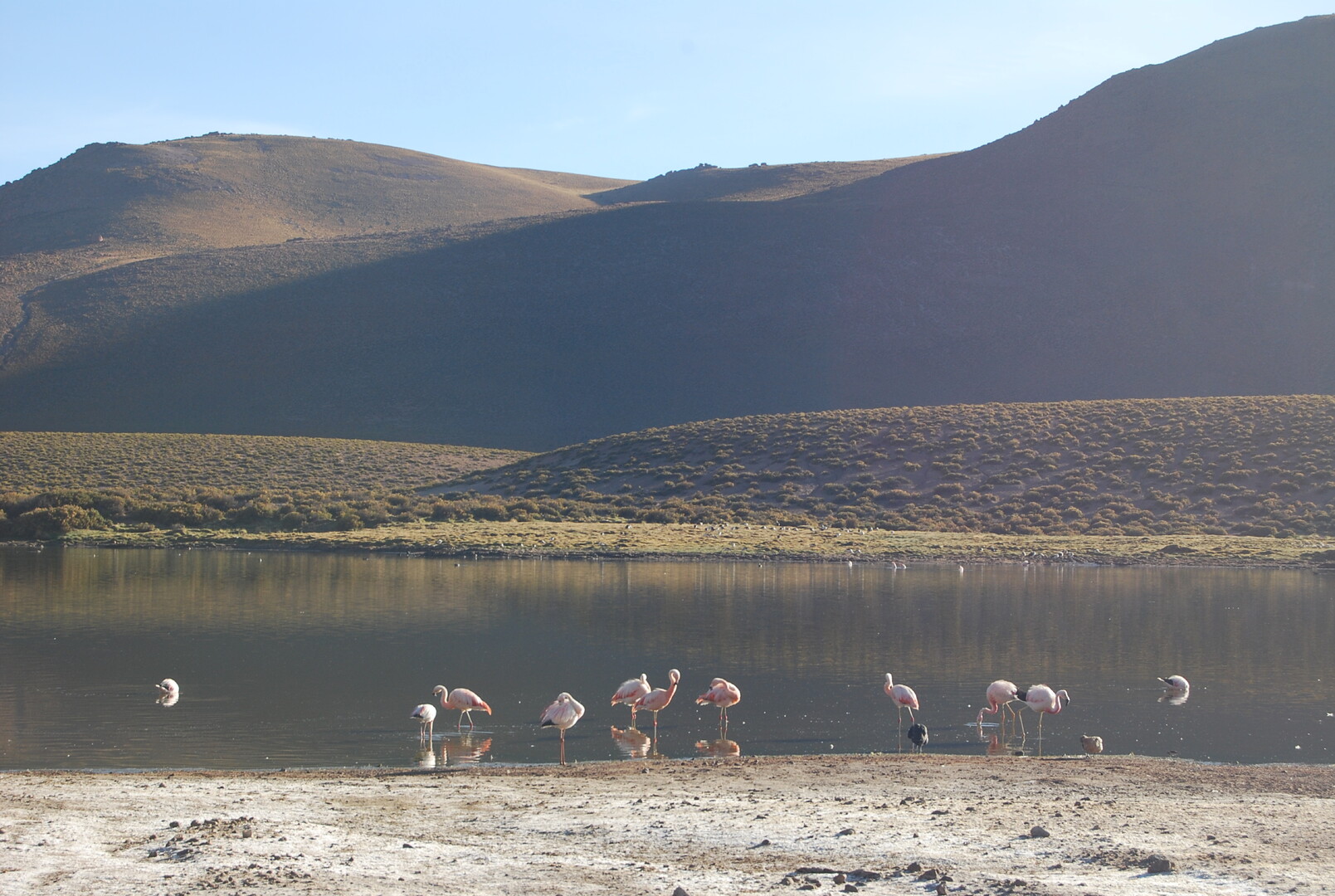
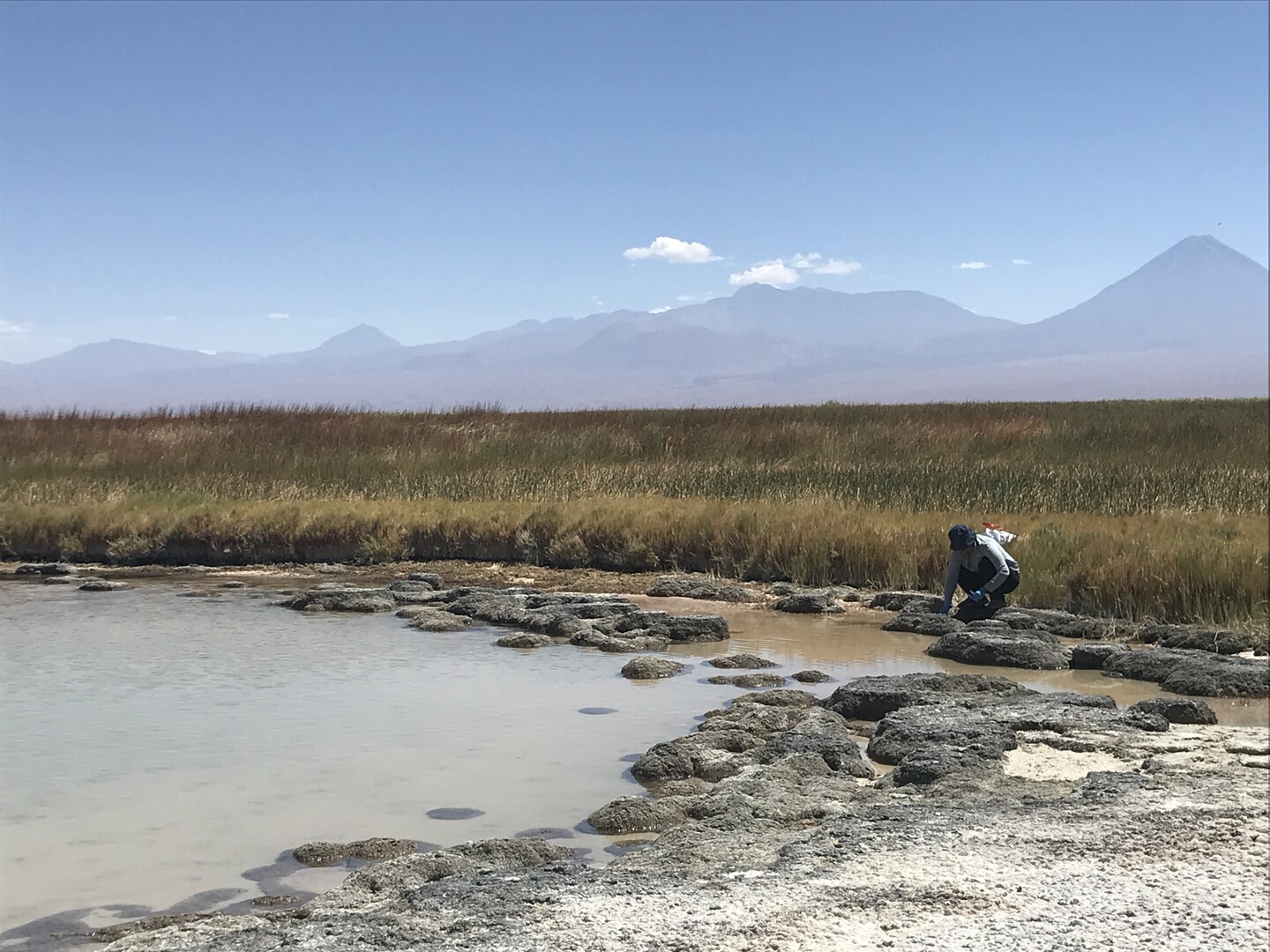
This screening consists of three short movies about very different wild places. It takes us to the northern shores of Norway, to a delta in war-ravaged Ukraine and to the chilean atacama desert. An inspiring cast of characters shows us, how we can protect nature around the world and what different measures are taken to account for the various threats faced by ecosystems around the globe. This screening will take place in the Gallery of Kommunales Kino.
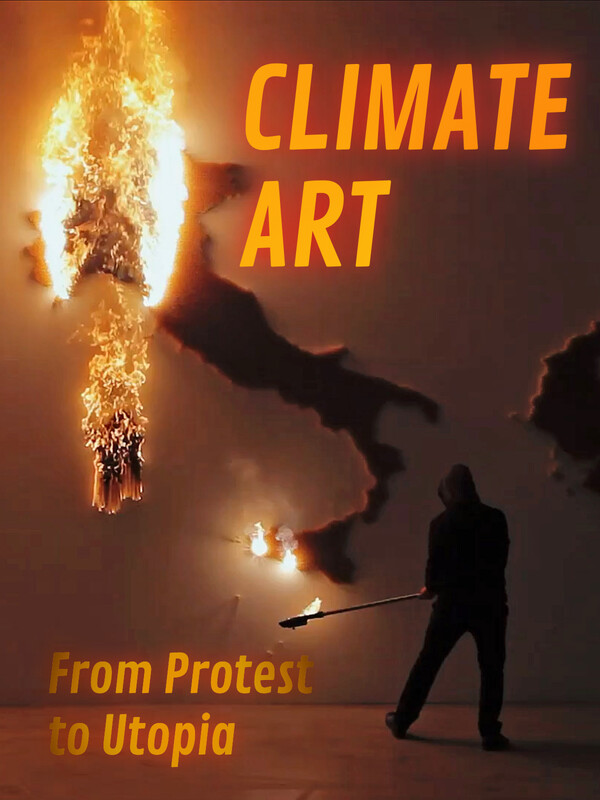
Art has shaped conversations about global events for as long as we can remember. Can it therefore also change our perceptions of climate change? And what responsibilities do artists have, when they tackle this subject in their work. Join Journalist Leonie Sontheimer as she explores how different artists interpret their role in communicating the climate crisis and how they view the power of art.
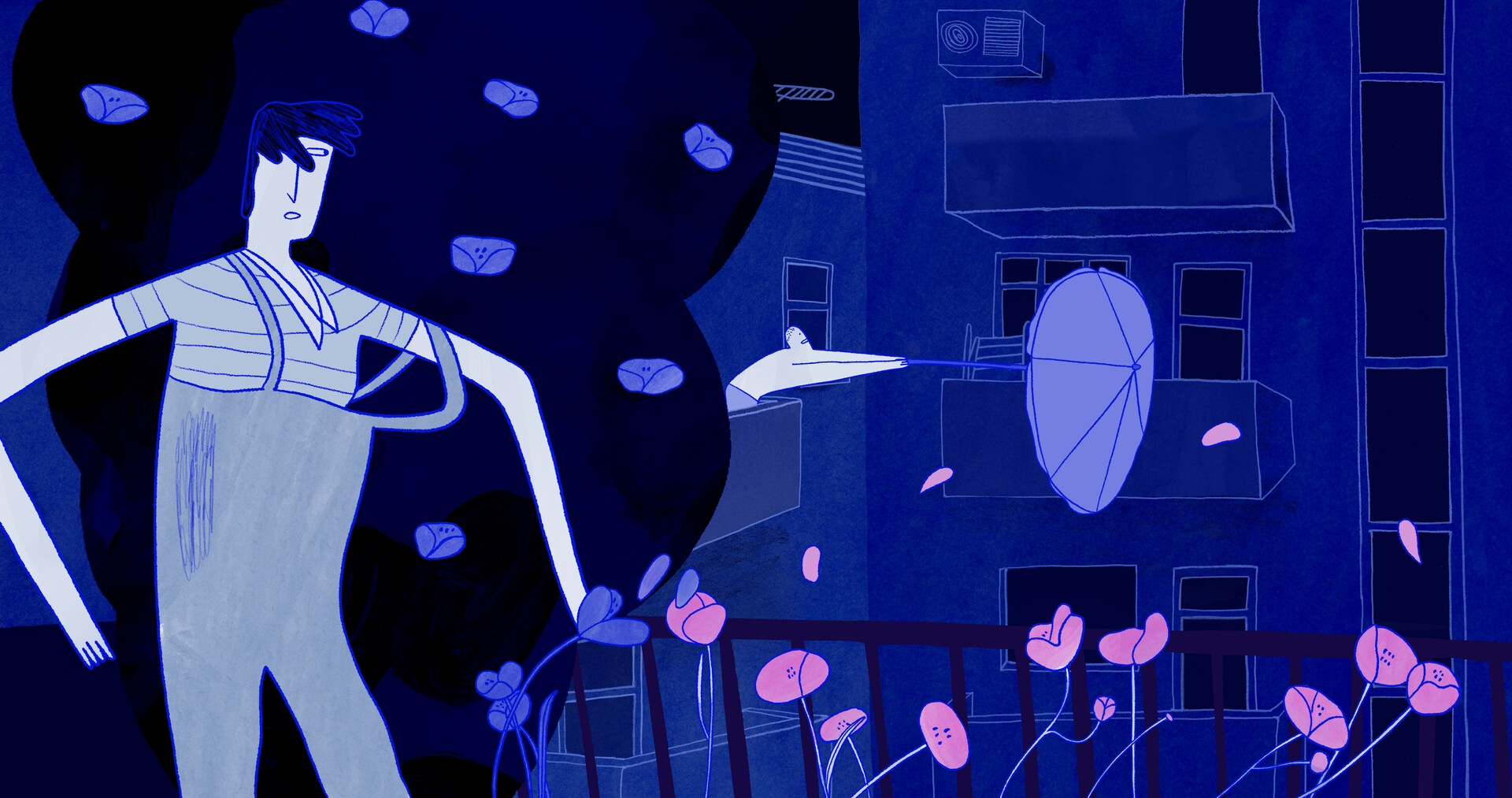
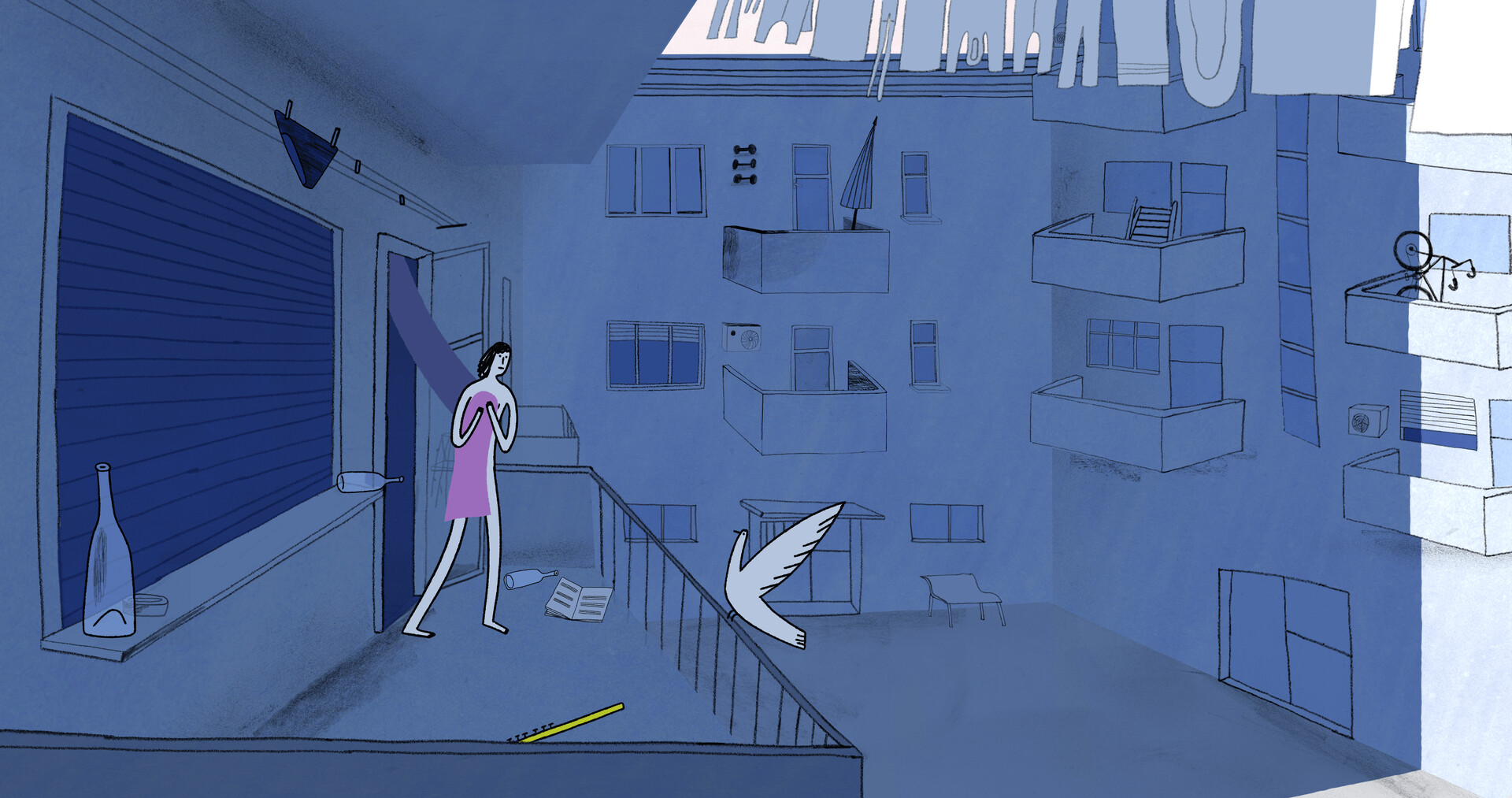
Balconada is an enchanting musical animated movie about neighbours whose balconies all border the same courtyard.
This screening will take place in the gallery of the Kommunales Kino.
To conclude our festival, we present a colourful bouquet of short documentaries, animated films and cartoons especially selected by a jury of experts. Afterwards we will announce the winners of our award categories.
Director: Louise Unmack Kjeldsen / Marta Fleischauer
Duration: 78 min (74 min / 4 min)
Languages: Danish, English, French, German, Portuguese, Spanish / German
Subtitles: English / –
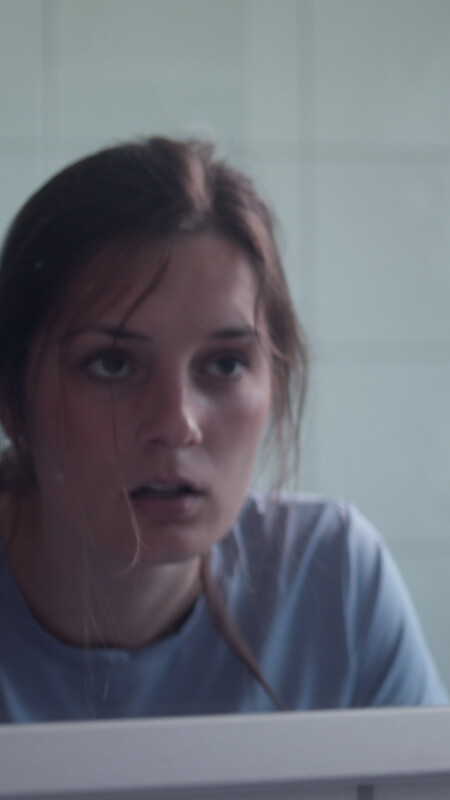
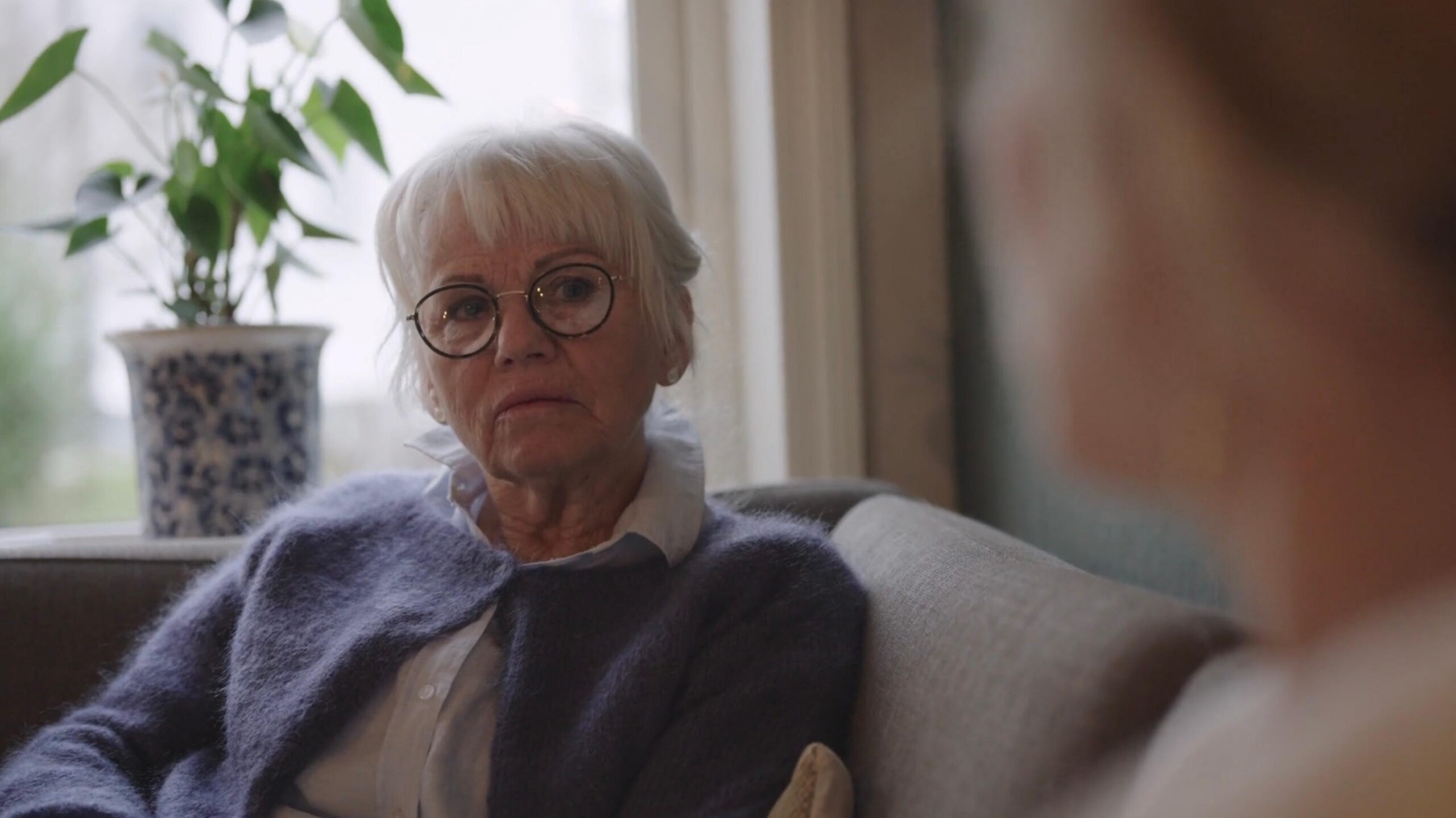
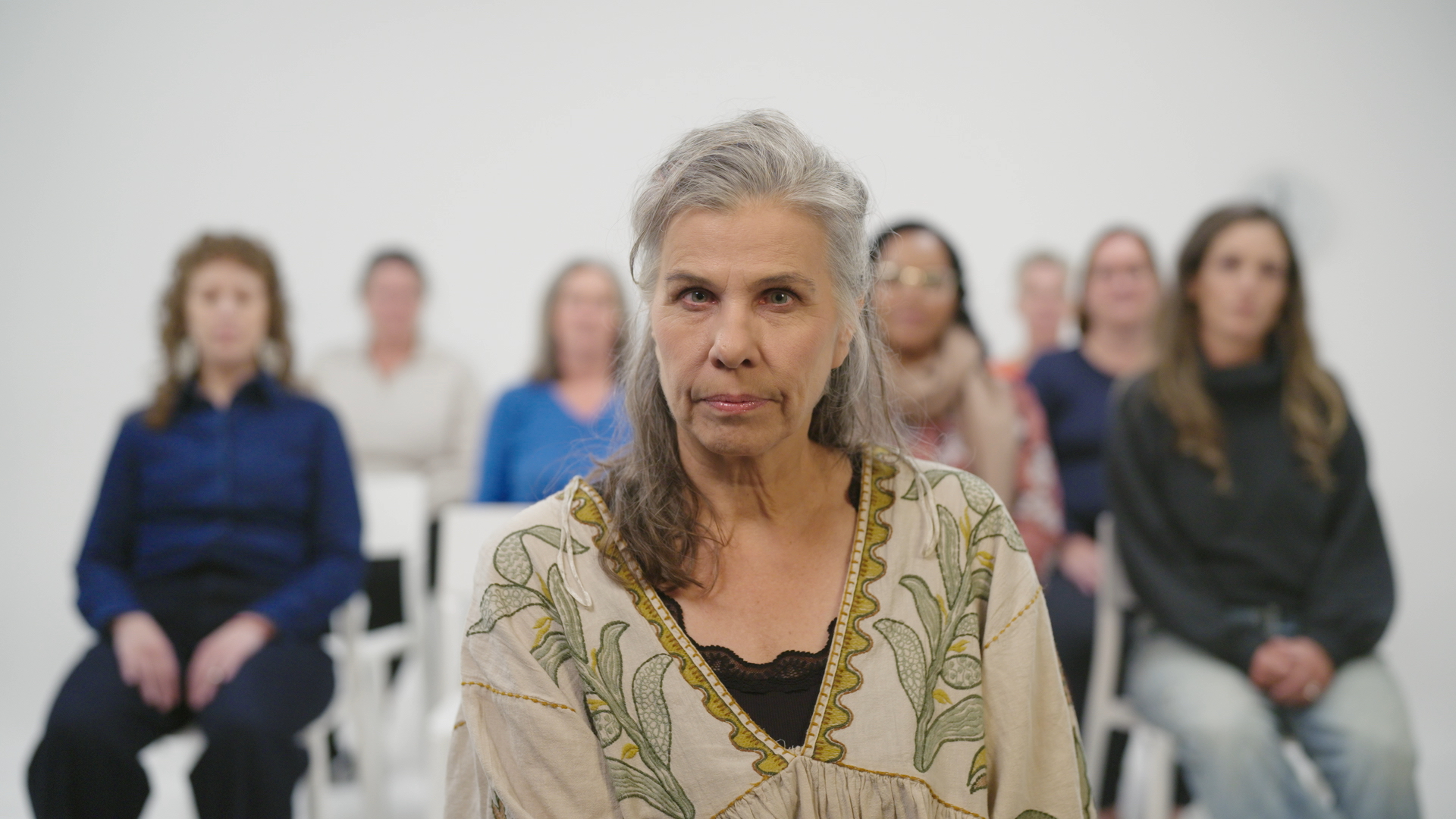
When director Louise Unmack Kjeldsen is struck by insomnia, brain fog and depression, she slowly realises that what she thought was a private crisis is in fact a global experience shared by women all over the world.
Even though half the world’s population experiences it, menopause has been inadequately studied from a medical perspective to this day. Common complaints are known, but the causes are poorly understood. Now researchers around the world are searching for answers. By showing how a lack of recognition causes affected women* to suffer and be excluded from social life, this film raises questions about social and economic sustainability.
The submission period for the Greenmotions Filmfestival 2026 has officially begun. Participation is open to all. The festival welcomes films produced using any technique, including animation, documentary, drama, experimental or artistic films, and hybrid work, regardless of budget size.
We are looking for films for our four different categories:
– Short film – Kids & young audience short film – Feature film – Special Topic 2026 “RECOGNITION: Shining a Light on the Invisible”
The first three categories focus on the general environmental and sustainability themes.
With this year’s Special Topic, “Recognition: Shining a Light on the Invisible”, the Greenmotions Filmfestival focuses on people and realities that often remain unseen – even though they sustain our societies and our shared wellbeing.
From unpaid care workers to marginalized communities, we highlight stories of struggle, resilience, and dignity. We explore who is recognized, who is overlooked, and why – and how systems of power and inequality contribute to invisibility. By giving space to unheard voices, we aim to foster empathy, critical reflection, and solidarity – and to inspire action toward a more just, inclusive, and sustainable world. A more detailed description of our special topic can be found here.
You can submit your movie via Filmfreeway. The submission period is open until April 16. 2026. You can check out our terms and conditionshere. We are looking forward of all the exciting and wonderful submissions for this year’s festival.
(Still from “L’Arbre de l’Authenticité”, Winner of the special topic prize in 2025 by Sammy Baloji)
We are thrilled to share the special topic for this year’s festival. As usual, there will be a specific prize category for movies as well as a workshop on the topic at this year’s festival.
The Greenmotions Filmfestival presents films that open new perspectives, inspire change, and make visible pathways toward a sustainable future. With this year’s Special Topic, “Recognition: Shining a Light on the Invisible”, we focus on people and realities that often remain unseen – even though they decisively shape our social coexistence and collective wellbeing. At the heart of this focus lies the question of recognition: Who is seen, heard and valued in our societies – and who is not?
One central group we address are those whose work is insufficiently recognized: people engaged in care and support work, much of it unpaid or poorly paid. This includes raising children, caring for elderly relatives, supporting people with disabilities as well as working in hospitals, nursing homes and social services. Care work is physically demanding and emotionally intensive. It sustains families, communities, and entire societies – yet it is too often taken for granted.
In Germany alone, adults perform more than 117 billion hours of unpaid care work every year, with women contributing around 72 billion of those hours. This exceeds the total number of paid working hours nationwide. Nevertheless, it is frequently dismissed as “non-productive”. Because care work is so physically and emotionally exhausting and highly time-consuming, many caregivers lack the time, energy, and resources to participate in political and social life. As a result, they are often unable to organize and advocate for better working conditions and recognition.
These inequalities are further intensified through intersecting forms of discrimination. Women continue to carry the main burden of care work, reflecting deeply rooted gender norms and unequal power relations. Migrant women, in particular, are disproportionately represented in precarious and informal care jobs. At the same time, care systems are increasingly shaped by economic efficiency and profit-oriented models. Institutions are expected to function like businesses, prioritizing cost reduction over human needs – and the growing pressure is borne by those who provide care, often at the expense of their health, dignity, and financial security.
Beyond care workers, this Special Topic also embraces other groups whose contributions to society tend to get overlooked. Groups like indigenous people, migrants, refugees, stateless people, sex workers, undocumented workers, people affected by addiction, homeless people and queer communities are historically pushed to be outsiders in society. Their value to society, culture and knowledge often gets ignored – in some cases wilfully remains unrecognised. Since their specific circumstances remain unaccounted for by many policies and jurisdictions, these groups rely heavily on support structures operating separately from state institutions and are cut off from many state-regulated social services. To the unaffected, the challenges faced by members of these groups as well as their role in societal structures largely remains invisible.
With this Special topic, we want to tell the stories of people, whose actions and needs are not recognised by parts of society. We seek stories that reveal the struggles, resilience and dignity of the systematically marginalised. In a time of political division and rising extremism, we furthermore strive to give a face and a voice to those who increasingly face dehumanisation and are wrongly deemed worthless by political movements around the world.
At the same time, we reflect on the structural dimensions of invisibility. Who benefits from systems that rely on unrecognized labour and marginalized lives? How do capitalism, political interests, and deeply rooted social norms contribute to exploitation and exclusion? And how do formal and informal networks of mutual support create spaces of resistance, care, and solidarity?
Recognition is not only about visibility – it is about respect, rights and responsibility. By “Shining a Light on the Invisible”, we aim to illustrate that a society is built around people and that it should take all its members into account. We hope to foster empathy, critical reflection, and collective action – and to strengthen movements toward a more just, inclusive, and sustainable future.
(Picture by Dominik Lange on Unsplash)
Manage Consent
To provide the best experiences, we use technologies like cookies to store and/or access device information. Consenting to these technologies will allow us to process data such as browsing behavior or unique IDs on this site. Not consenting or withdrawing consent, may adversely affect certain features and functions.
Functional
Always active
The technical storage or access is strictly necessary for the legitimate purpose of enabling the use of a specific service explicitly requested by the subscriber or user, or for the sole purpose of carrying out the transmission of a communication over an electronic communications network.
Preferences
The technical storage or access is necessary for the legitimate purpose of storing preferences that are not requested by the subscriber or user.
Statistics
The technical storage or access that is used exclusively for statistical purposes.The technical storage or access that is used exclusively for anonymous statistical purposes. Without a subpoena, voluntary compliance on the part of your Internet Service Provider, or additional records from a third party, information stored or retrieved for this purpose alone cannot usually be used to identify you.
Marketing
The technical storage or access is required to create user profiles to send advertising, or to track the user on a website or across several websites for similar marketing purposes.