Tag: Greenmotions
  • Call for Entries: Greenmotions Filmfestival 2026

    Call for Entries: Greenmotions Filmfestival 2026

    The submission period for the Greenmotions Filmfestival 2026 has officially begun. Participation is open to all. The festival welcomes films produced using any technique, including animation, documentary, drama, experimental or artistic films, and hybrid work, regardless of budget size.

    We are looking for films for our four different categories:

    Short film
    Kids & young audience short film
    Feature film
    Special Topic 2026 “RECOGNITION: Shining a Light on the Invisible”

    The first three categories focus on the general environmental and sustainability themes.

    With this year’s Special Topic, “Recognition: Shining a Light on the Invisible”, the Greenmotions Filmfestival focuses on people and realities that often remain unseen – even though they sustain our societies and our shared wellbeing.

    From unpaid care workers to marginalized communities, we highlight stories of struggle, resilience, and dignity. We explore who is recognized, who is overlooked, and why – and how systems of power and inequality contribute to invisibility. By giving space to unheard voices, we aim to foster empathy, critical reflection, and solidarity – and to inspire action toward a more just, inclusive, and sustainable world. A more detailed description of our special topic can be found here.

    You can submit your movie via Filmfreeway. The submission period is open until April 16. 2026. You can check out our terms and conditions here. We are looking forward of all the exciting and wonderful submissions for this year’s festival.

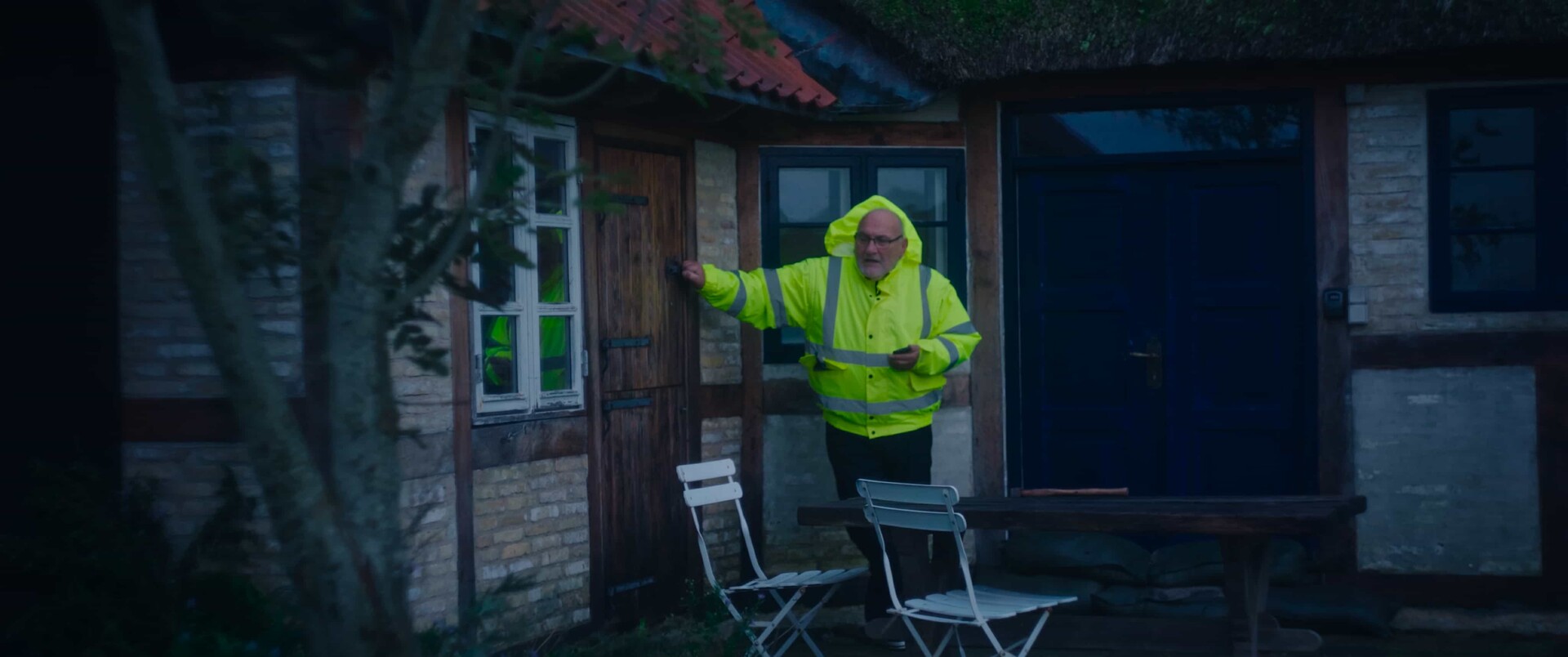
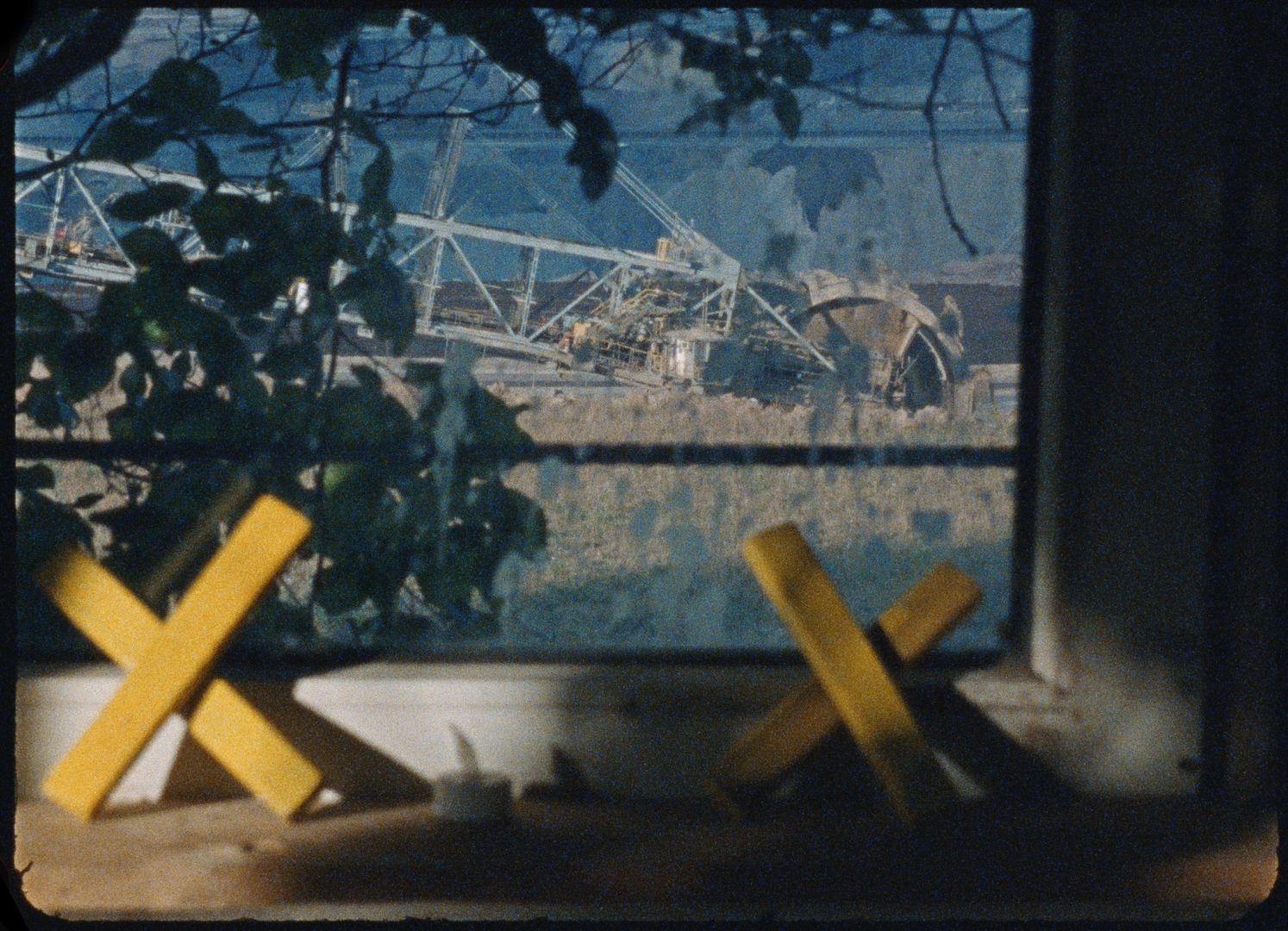
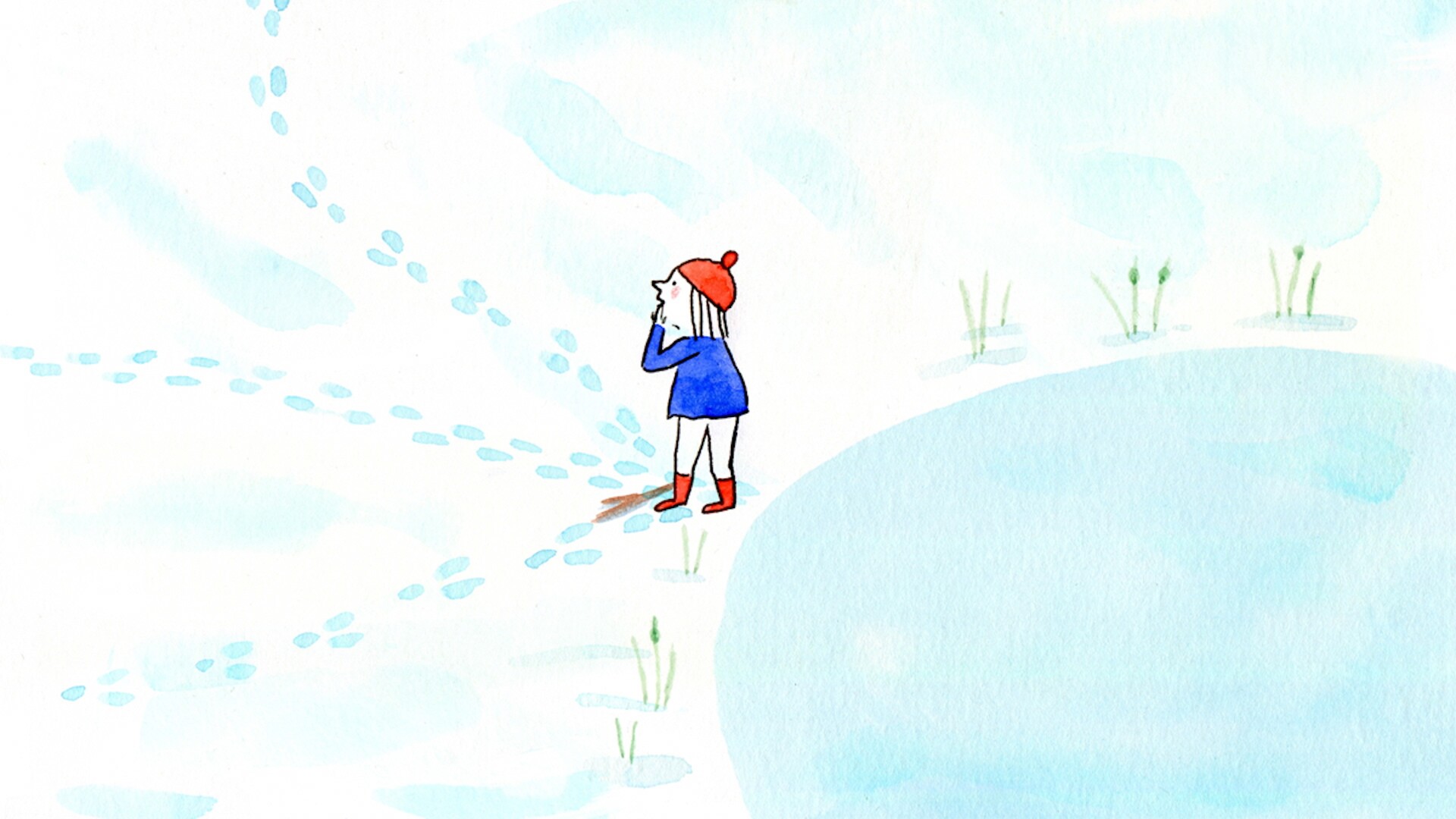
    (Still from “L’Arbre de l’Authenticité”, Winner of the special topic prize in 2025 by Sammy Baloji)

  • Special Topic 2026 – Recognition: Shining a Light on the Invisible

    Special Topic 2026 – Recognition: Shining a Light on the Invisible

    We are thrilled to share the special topic for this year’s festival. As usual, there will be a specific prize category for movies as well as a workshop on the topic at this year’s festival.

    The Greenmotions Filmfestival presents films that open new perspectives, inspire change, and make visible pathways toward a sustainable future. With this year’s Special Topic, “Recognition: Shining a Light on the Invisible”, we focus on people and realities that often remain unseen – even though they decisively shape our social coexistence and collective wellbeing. At the heart of this focus lies the question of recognition: Who is seen, heard and valued in our societies – and who is not?

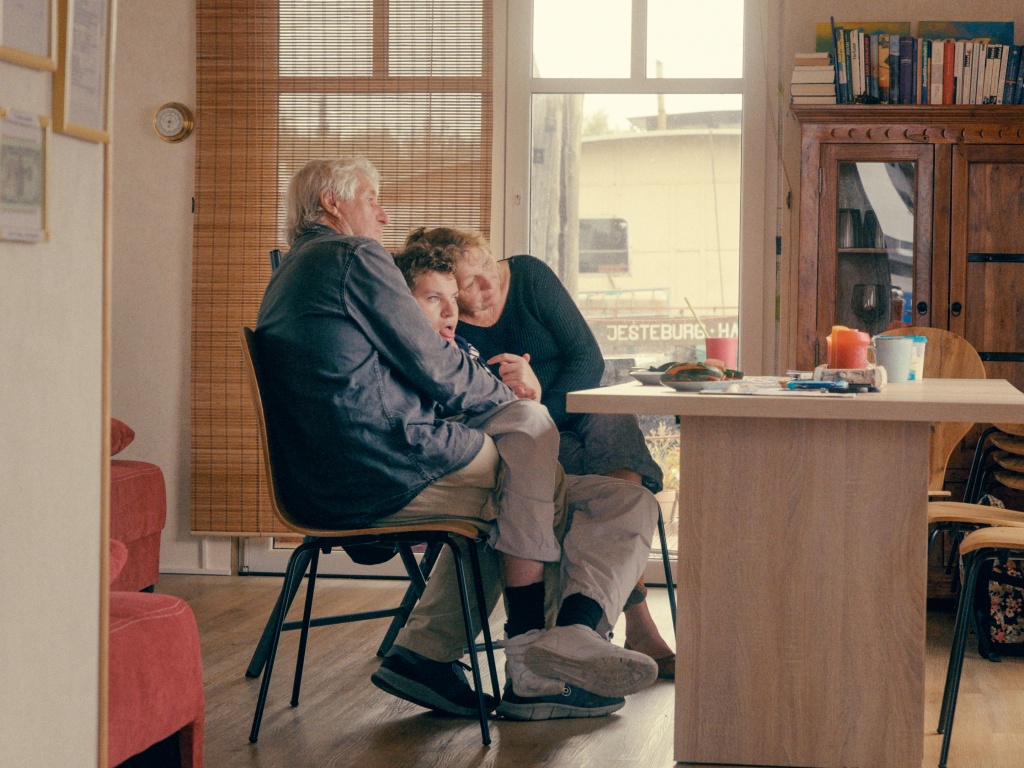
    One central group we address are those whose work is insufficiently recognized: people engaged in care and support work, much of it unpaid or poorly paid. This includes raising children, caring for elderly relatives, supporting people with disabilities as well as working in hospitals, nursing homes and social services. Care work is physically demanding and emotionally intensive. It sustains families, communities, and entire societies – yet it is too often taken for granted.

    In Germany alone, adults perform more than 117 billion hours of unpaid care work every year, with women contributing around 72 billion of those hours. This exceeds the total number of paid working hours nationwide. Nevertheless, it is frequently dismissed as “non-productive”. Because care work is so physically and emotionally exhausting and highly time-consuming, many caregivers lack the time, energy, and resources to participate in political and social life. As a result, they are often unable to organize and advocate for better working conditions and recognition.

    These inequalities are further intensified through intersecting forms of discrimination. Women continue to carry the main burden of care work, reflecting deeply rooted gender norms and unequal power relations. Migrant women, in particular, are disproportionately represented in precarious and informal care jobs. At the same time, care systems are increasingly shaped by economic efficiency and profit-oriented models. Institutions are expected to function like businesses, prioritizing cost reduction over human needs – and the growing pressure is borne by those who provide care, often at the expense of their health, dignity, and financial security.

    Beyond care workers, this Special Topic also embraces other groups whose contributions to society tend to get overlooked. Groups like indigenous people, migrants, refugees, stateless people, sex workers, undocumented workers, people affected by addiction, homeless people and queer communities are historically pushed to be outsiders in society. Their value to society, culture and knowledge often gets ignored – in some cases wilfully remains unrecognised. Since their specific circumstances remain unaccounted for by many policies and jurisdictions, these groups rely heavily on support structures operating separately from state institutions and are cut off from many state-regulated social services. To the unaffected, the challenges faced by members of these groups as well as their role in societal structures largely remains invisible.

    With this Special topic, we want to tell the stories of people, whose actions and needs are not recognised by parts of society. We seek stories that reveal the struggles, resilience and dignity of the systematically marginalised. In a time of political division and rising extremism, we furthermore strive to give a face and a voice to those who increasingly face dehumanisation and are wrongly deemed worthless by political movements around the world.

    At the same time, we reflect on the structural dimensions of invisibility. Who benefits from systems that rely on unrecognized labour and marginalized lives? How do capitalism, political interests, and deeply rooted social norms contribute to exploitation and exclusion? And how do formal and informal networks of mutual support create spaces of resistance, care, and solidarity?

    Recognition is not only about visibility – it is about respect, rights and responsibility. By “Shining a Light on the Invisible”, we aim to illustrate that a society is built around people and that it should take all its members into account. We hope to foster empathy, critical reflection, and collective action – and to strengthen movements toward a more just, inclusive, and sustainable future.

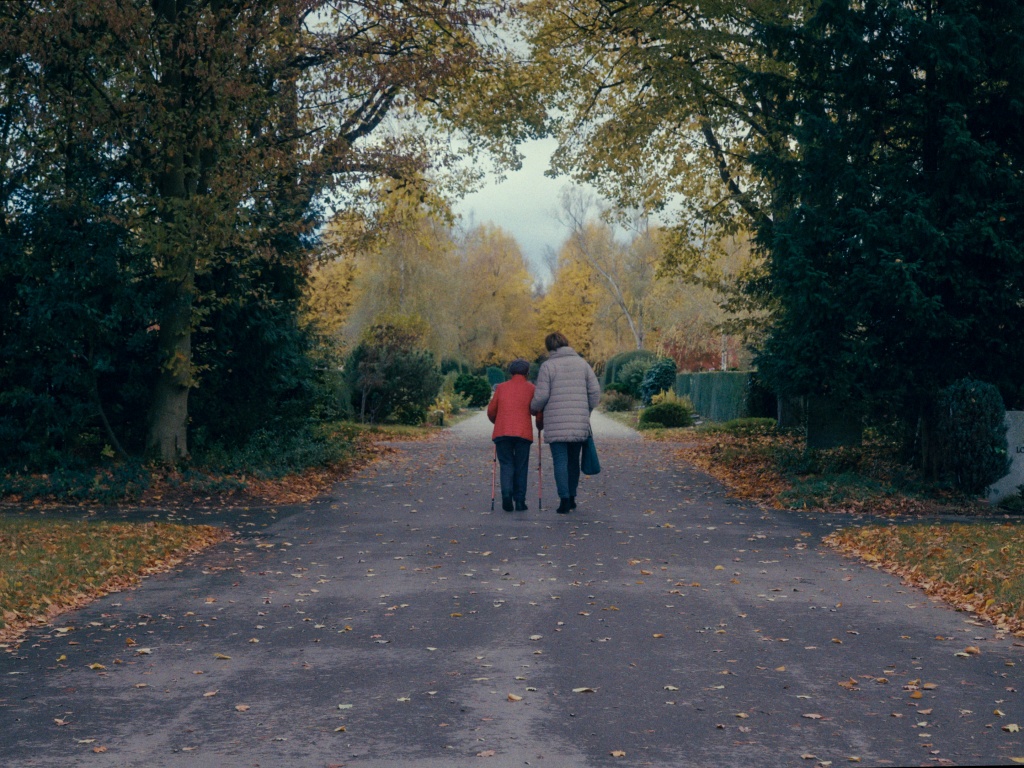
    (Picture by Dominik Lange on Unsplash)

  • Introducing: The Greenmotions Festival Pass

    Introducing: The Greenmotions Festival Pass

    With the introduction of our solidary pricing system comes another surprise: The Greenmotions Festival Pass.
    With your Festival Pass, you can watch as many movies as you want during the festival. To get a your pass, just choose the option “Festival Pass regular” at checkout when purchasing a ticket. The pass costs 20.00€ and can be bought online or at the cinema’s box office. At the first screening you visit, you will get your physical pass, that you can then bring to the other screenings. For all further screenings, you can show up spontaneously or reserve a seat beforehand via telephone, at the cinema counter.

    And don’t worry, if you have already bought tickets, you can still get a festival pass. In that case, we will subtract the price of the tickets you’ve already bought from the festival pass cost.
    We are excited to finally see you at the KoKi next week – some of you, hopefully, more than once.