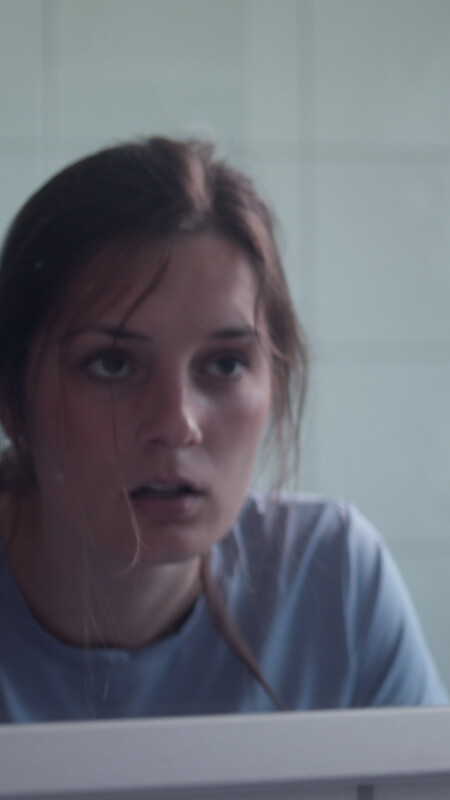
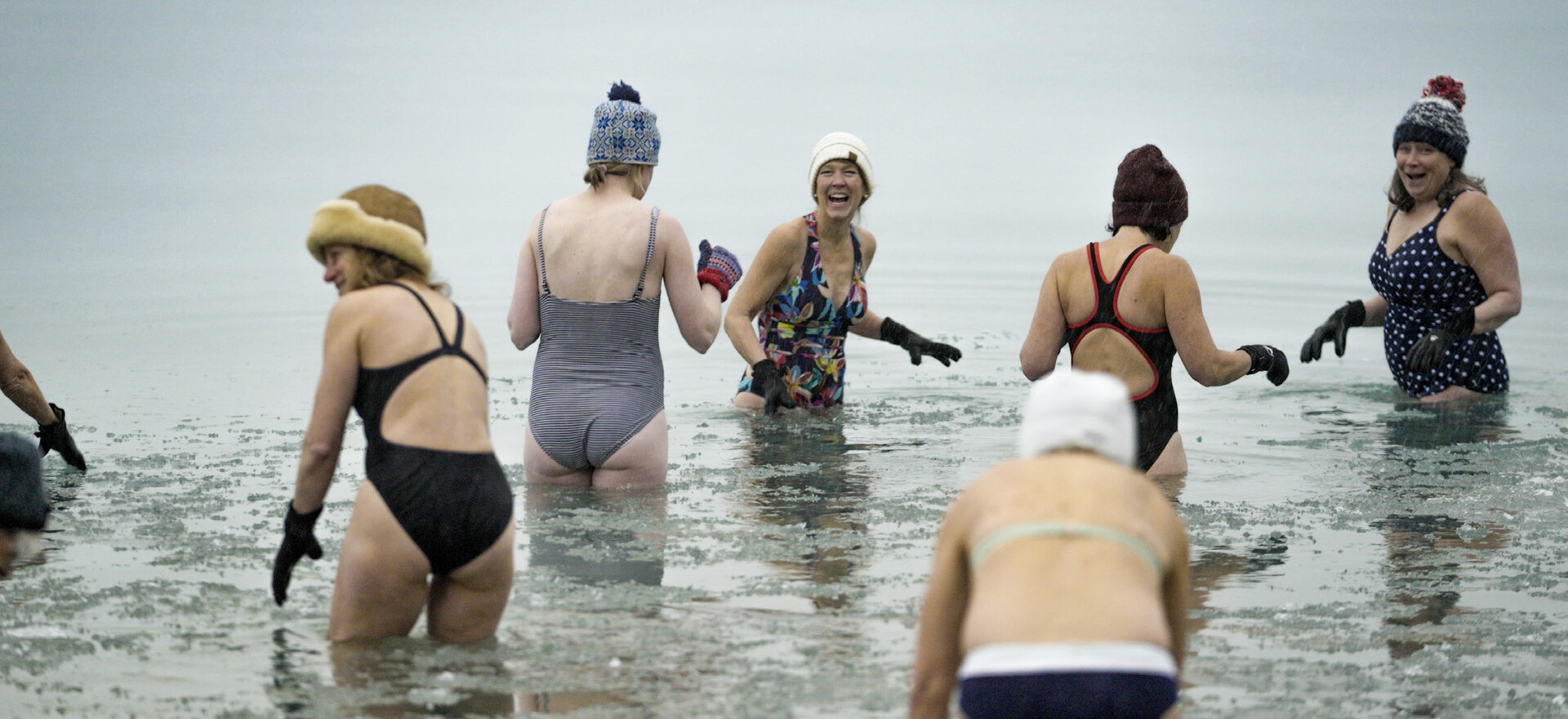
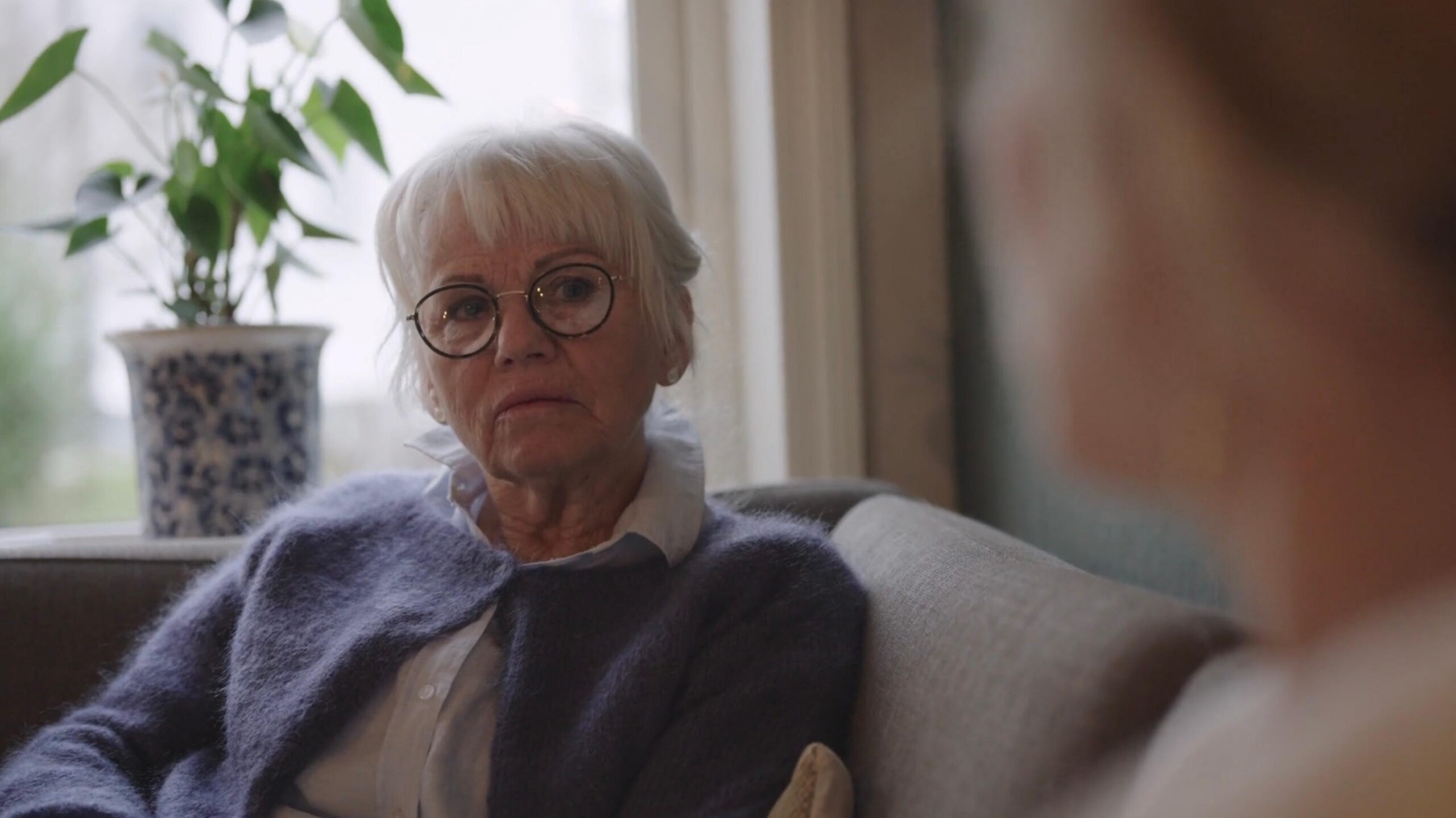
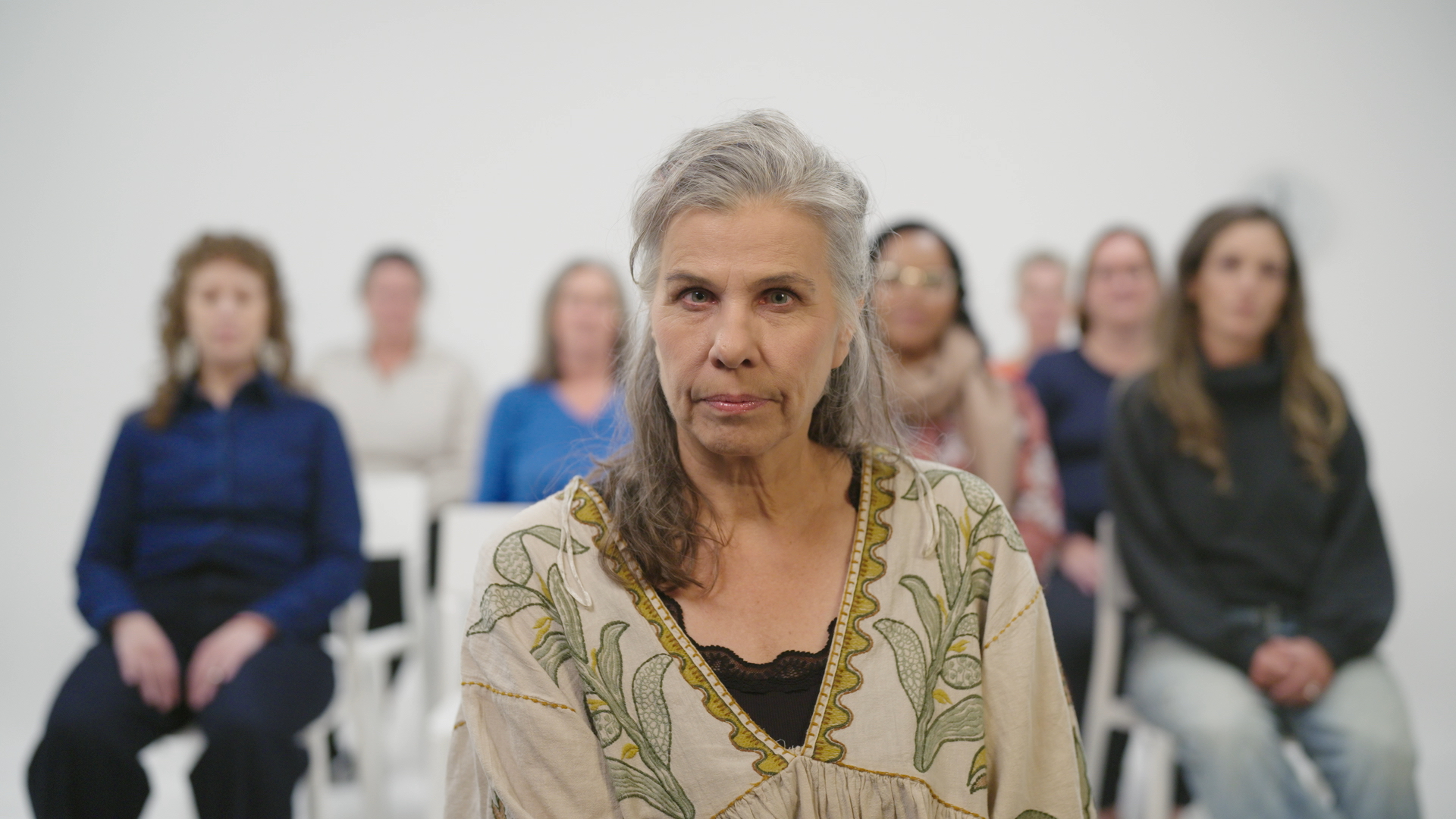
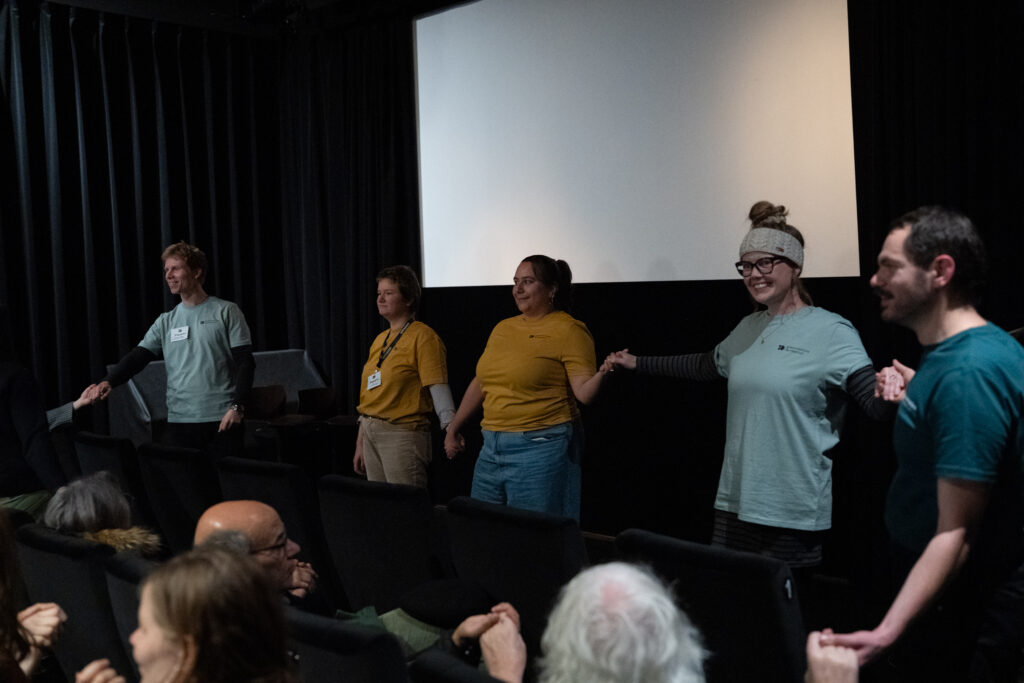
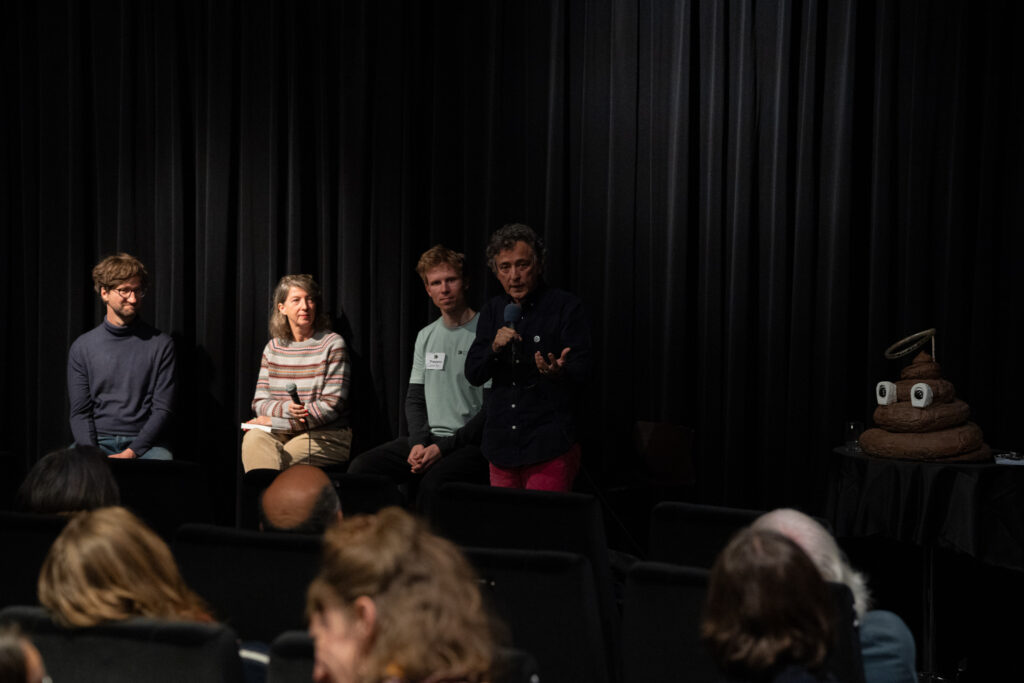
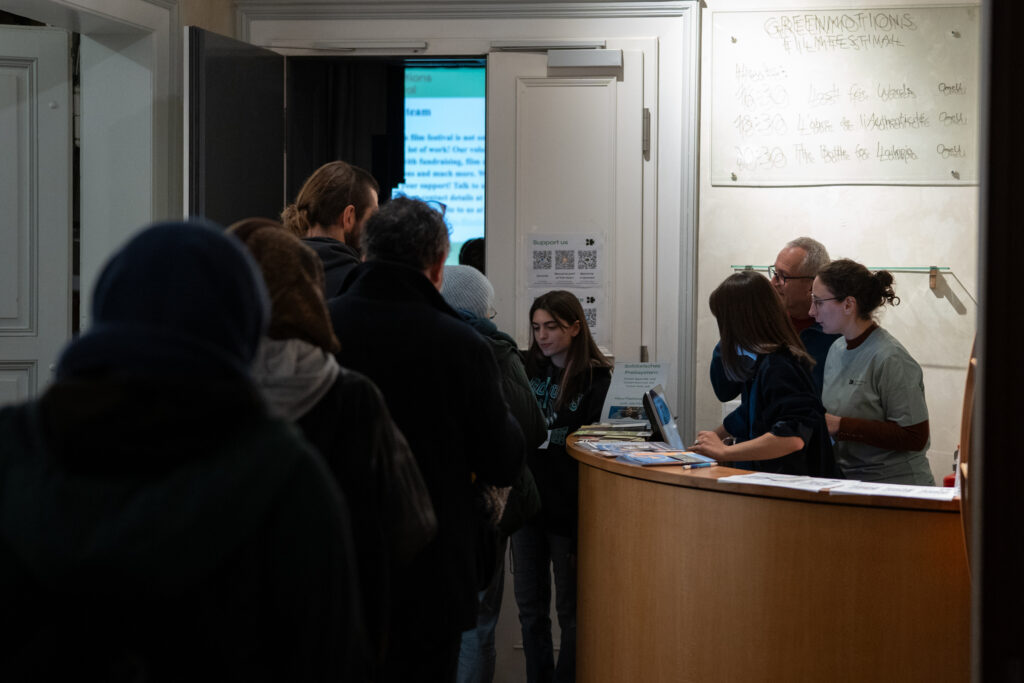
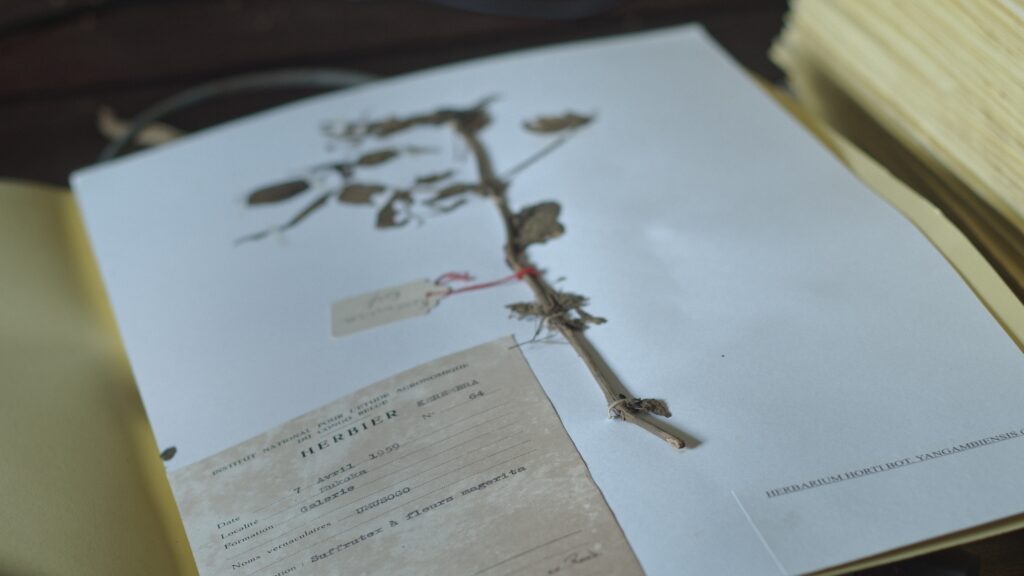
We are thrilled to announce the winners of the 2026 Greenmotions Filmfestival!
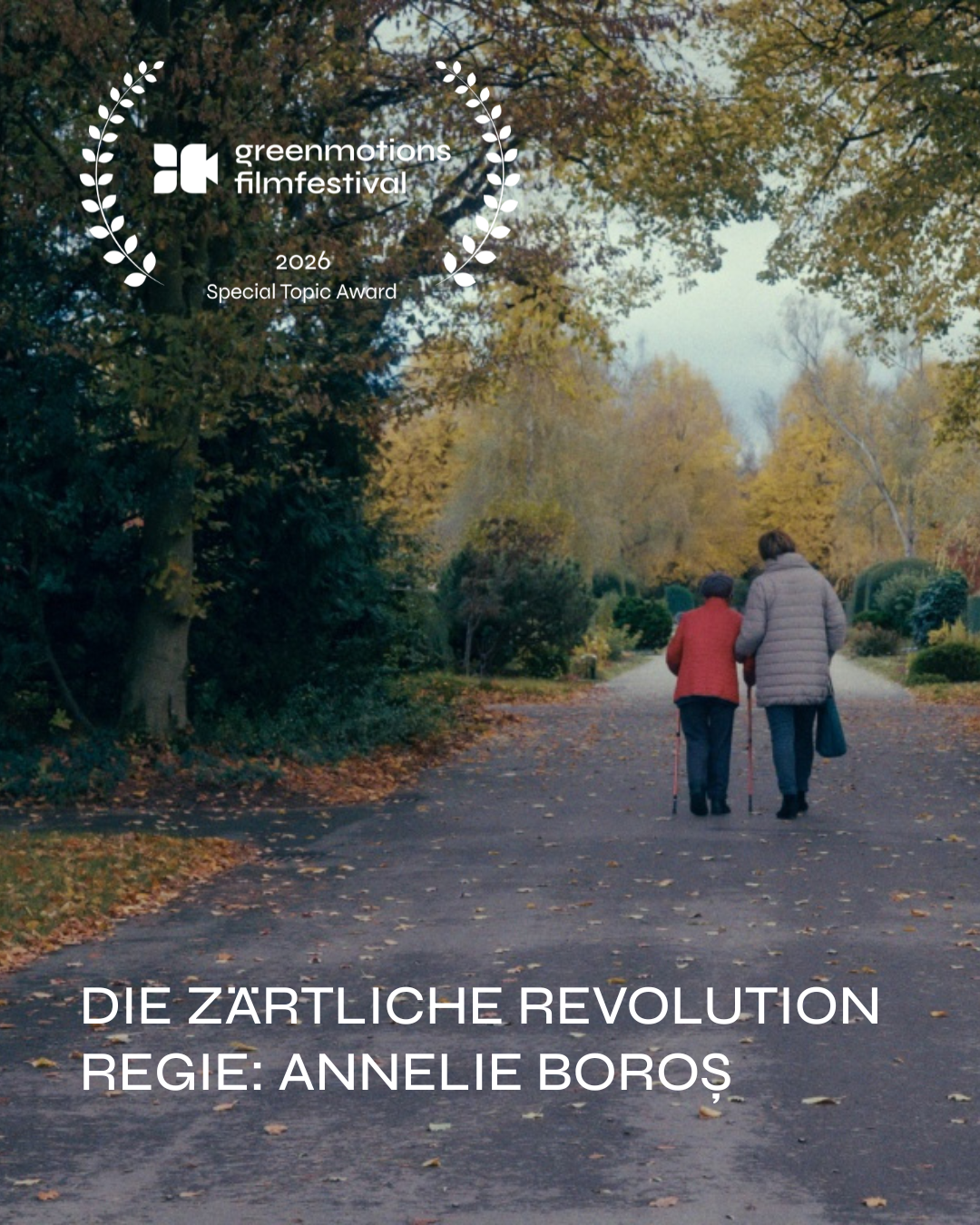
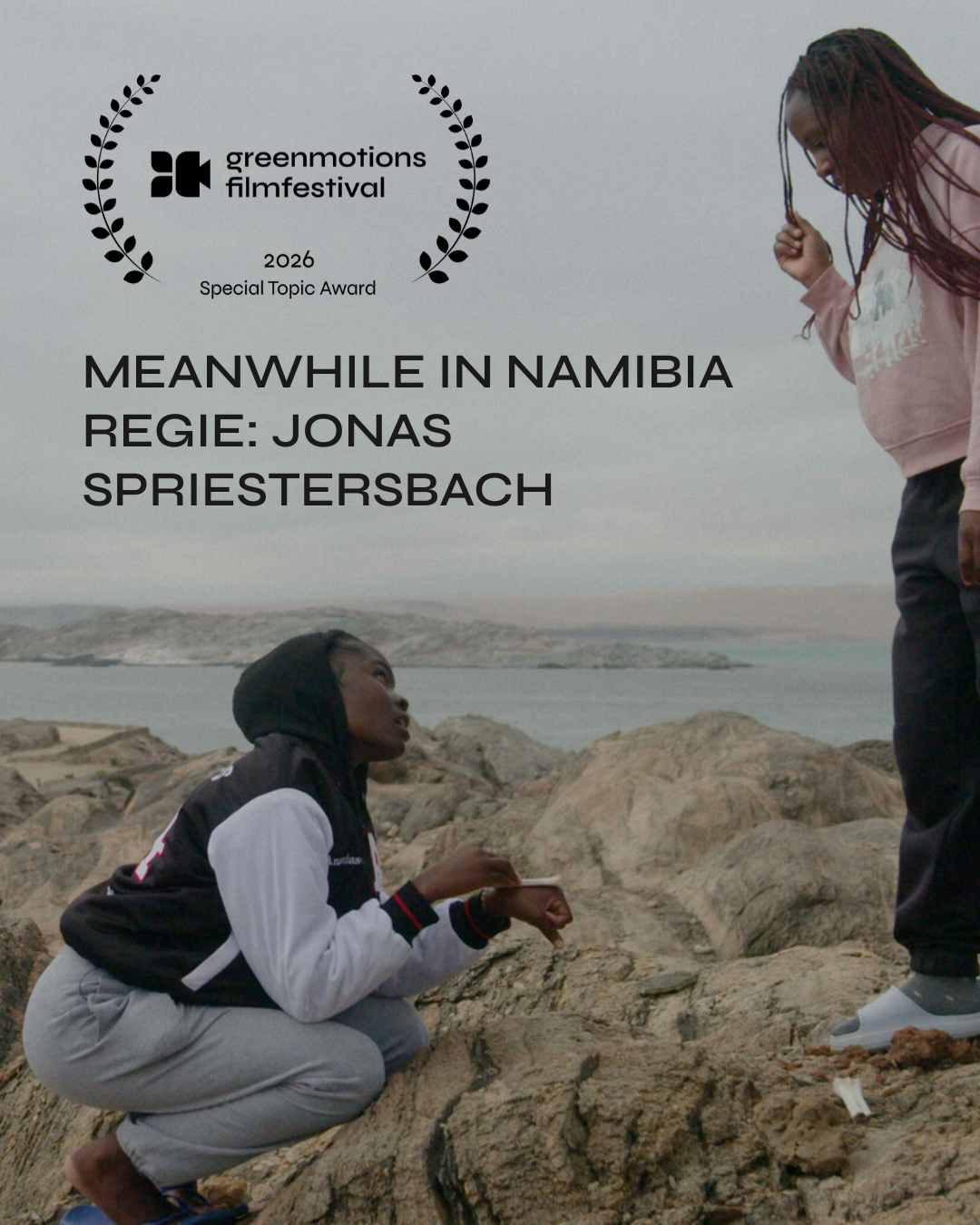
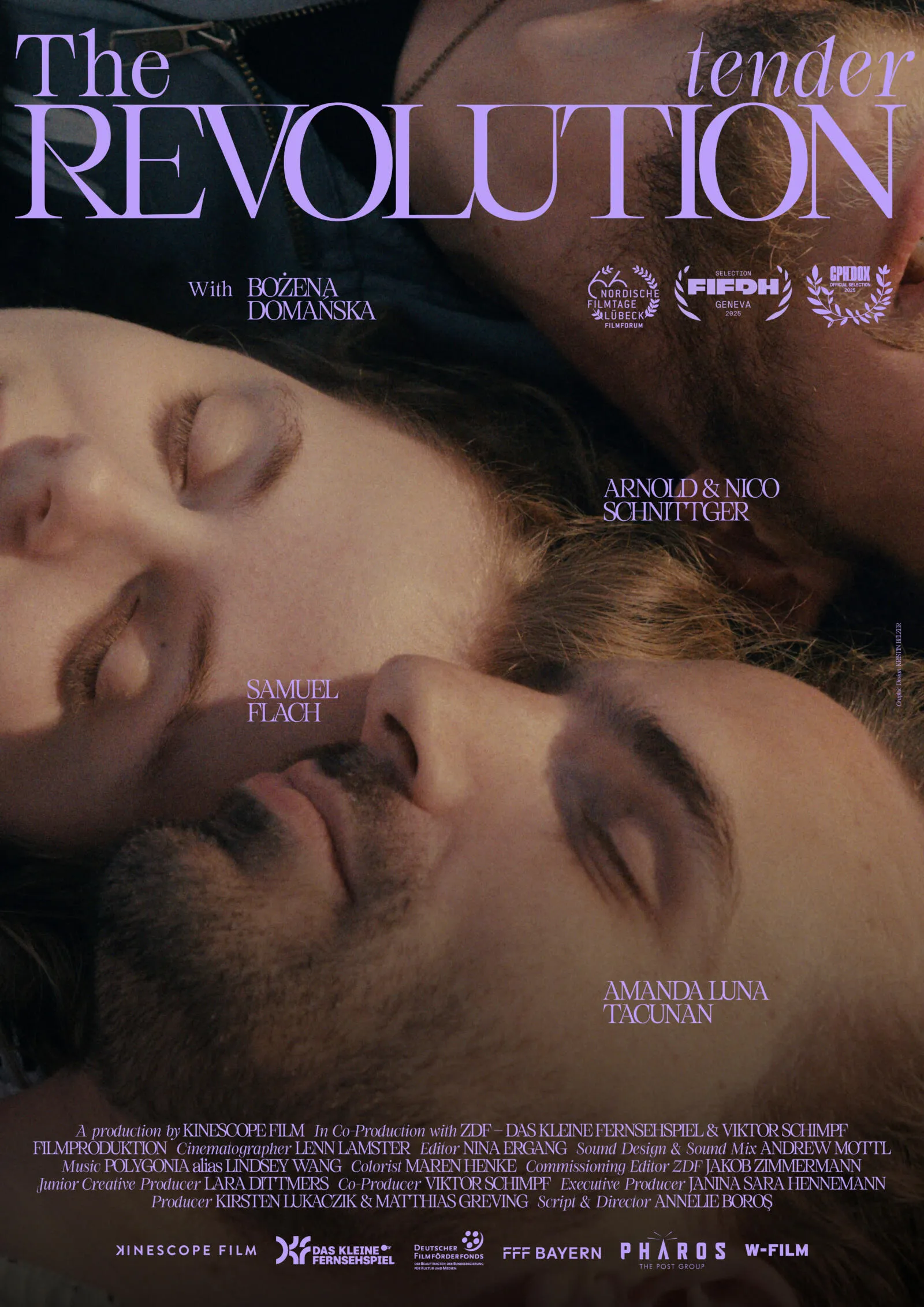
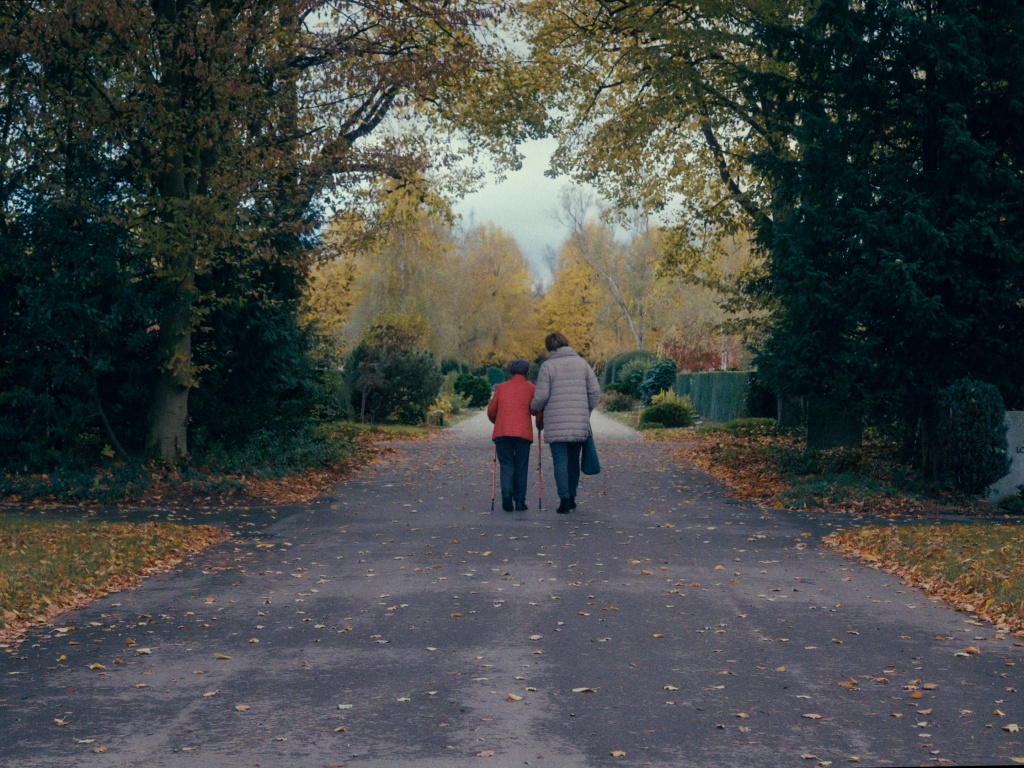
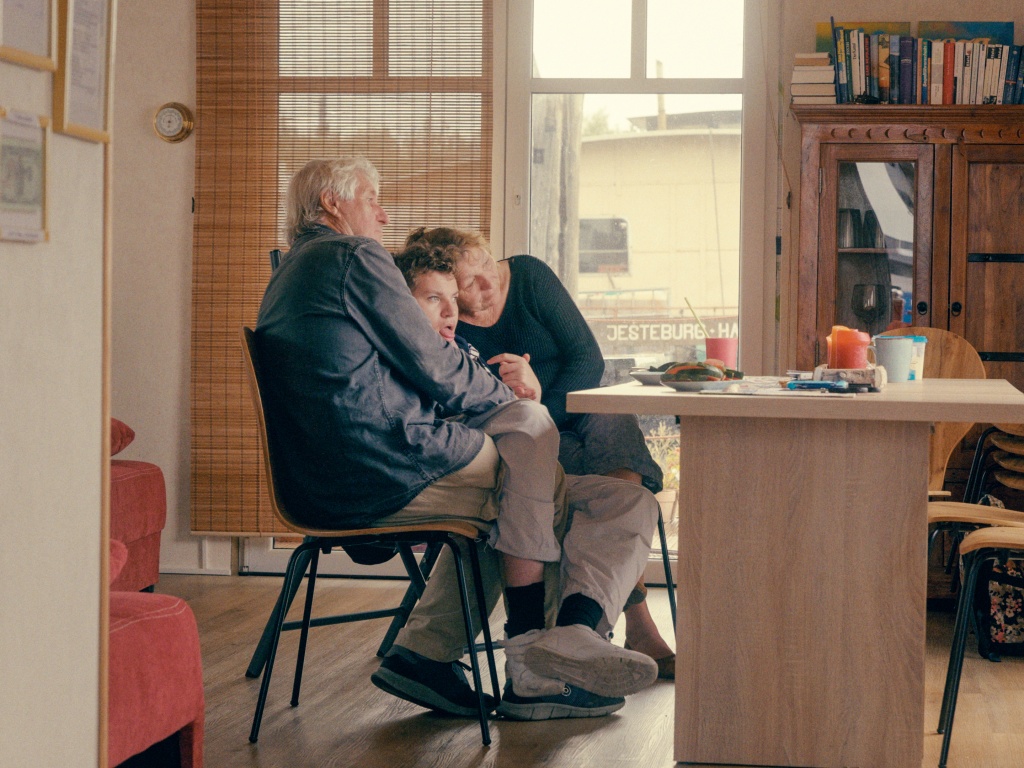
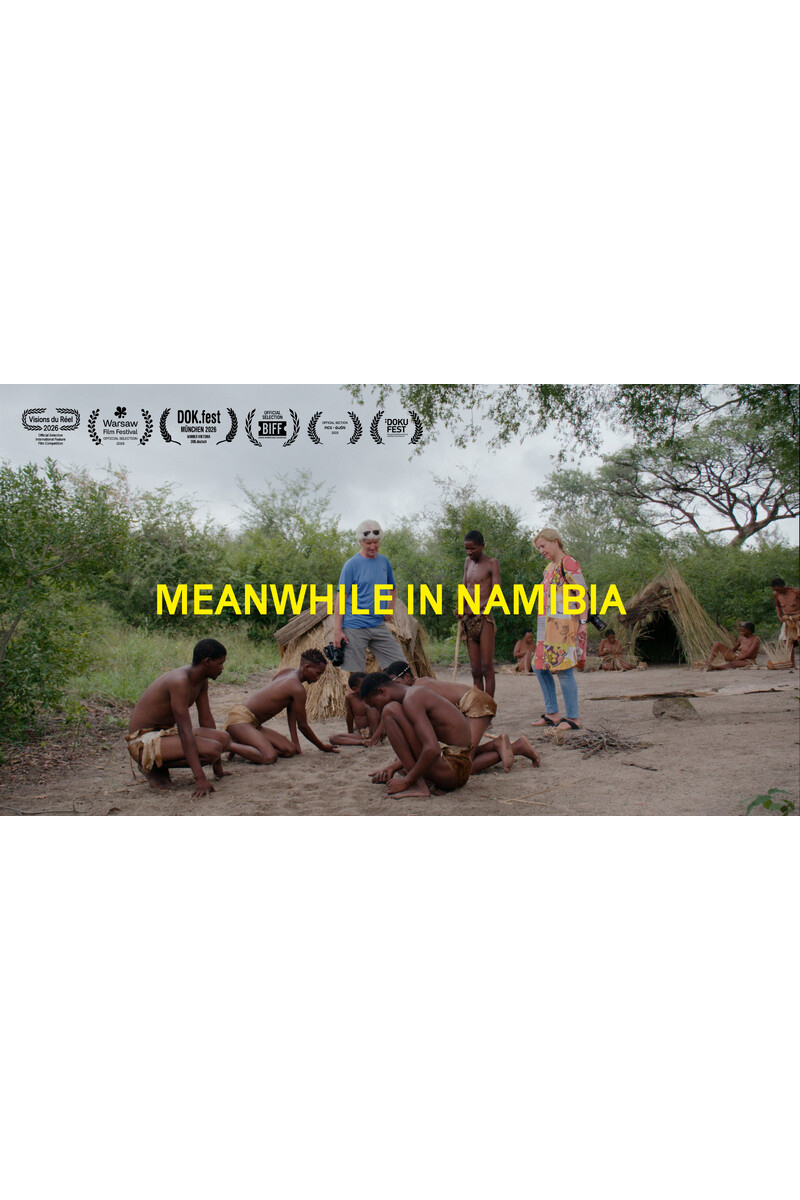
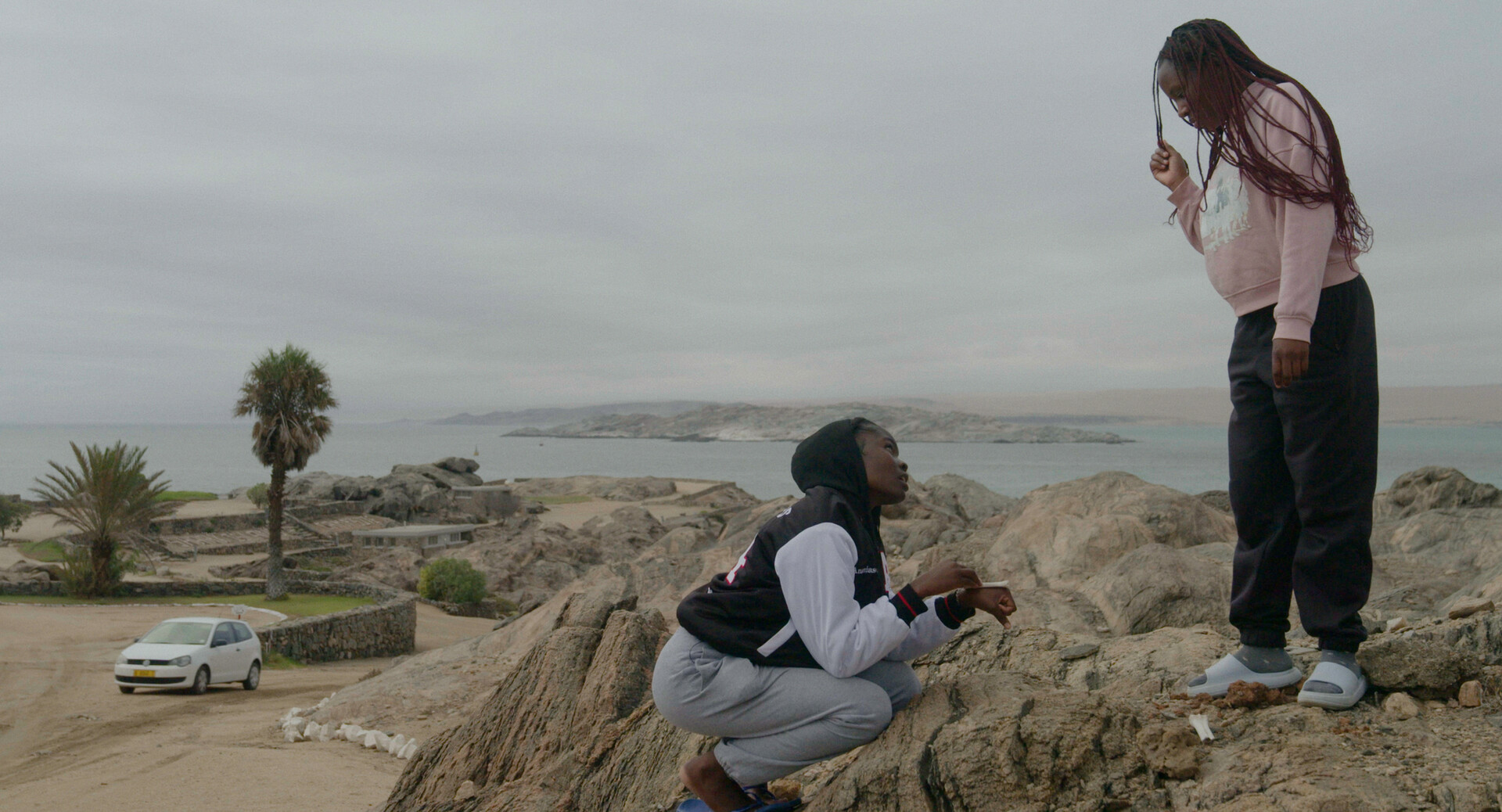
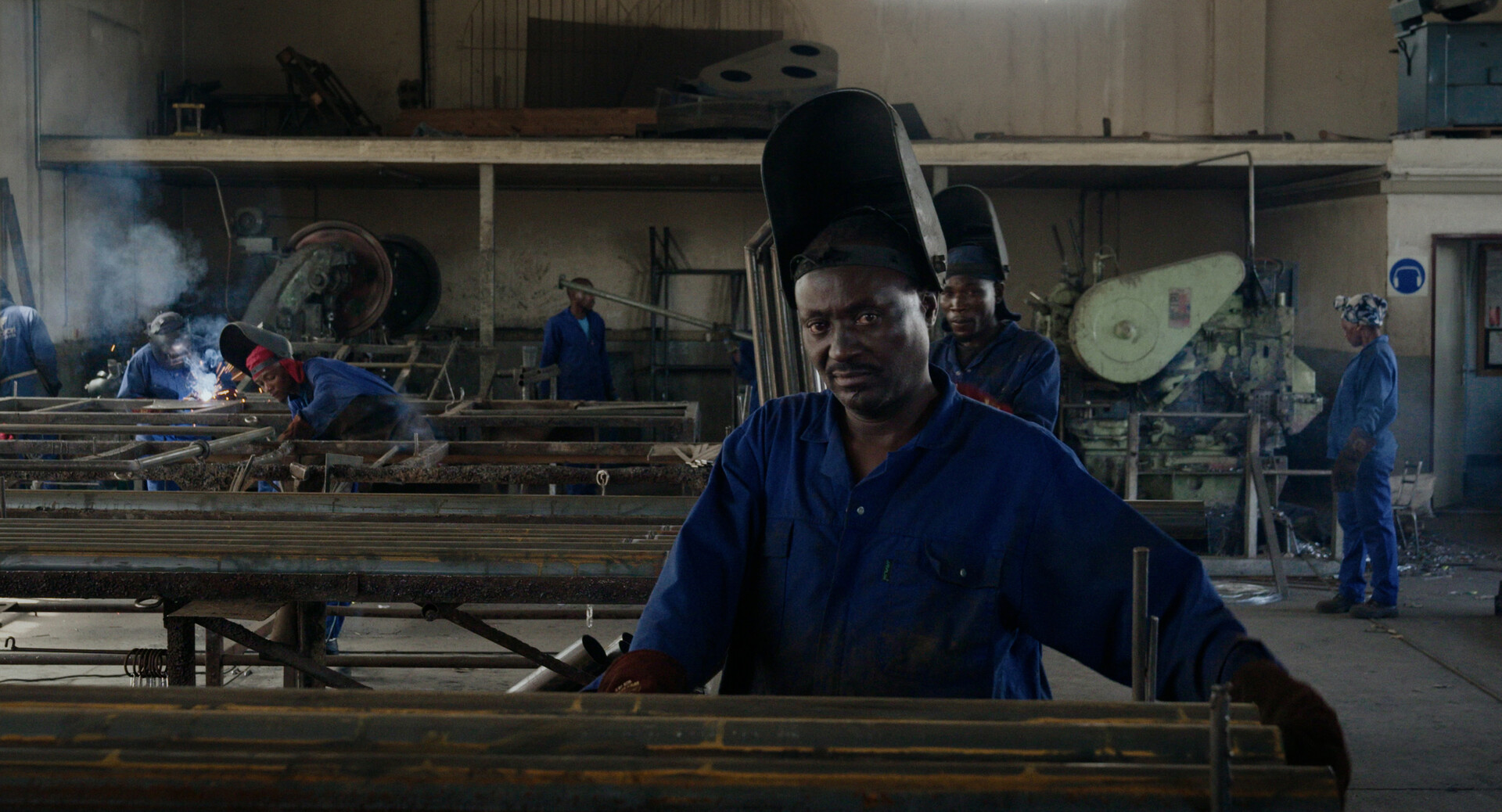
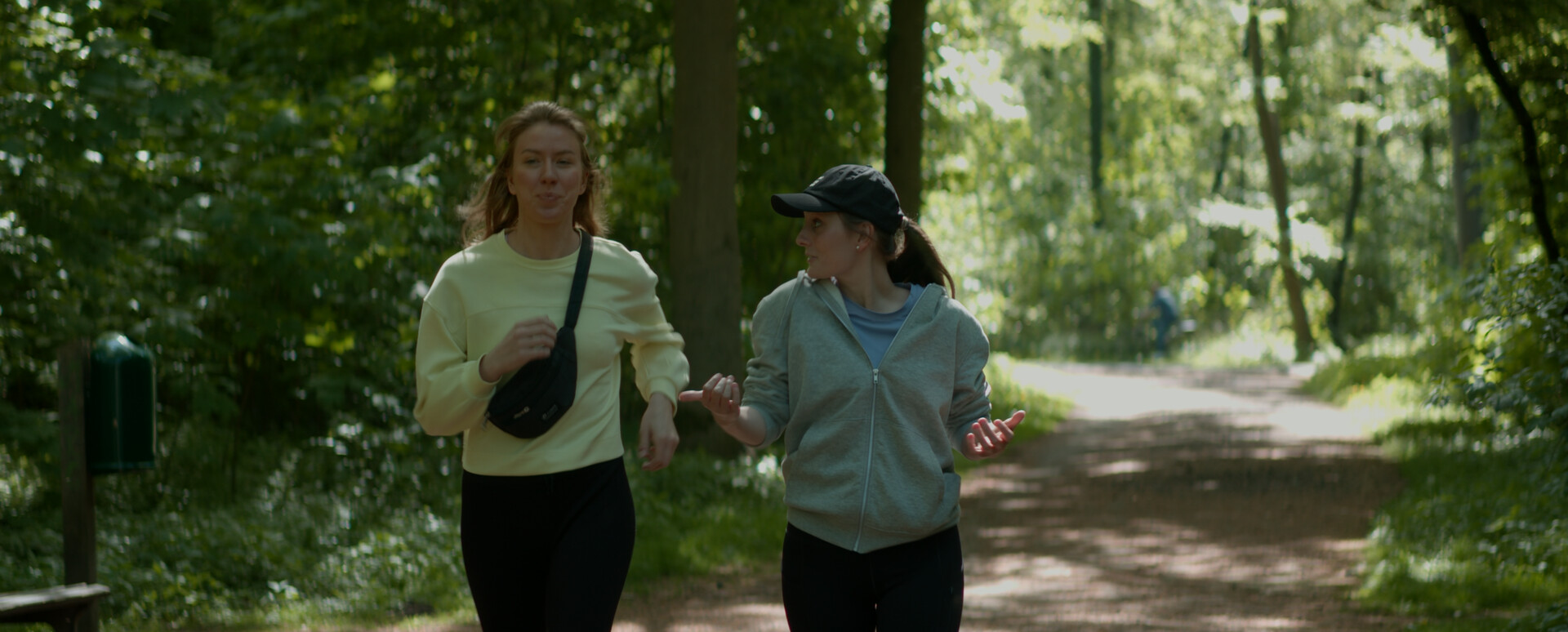
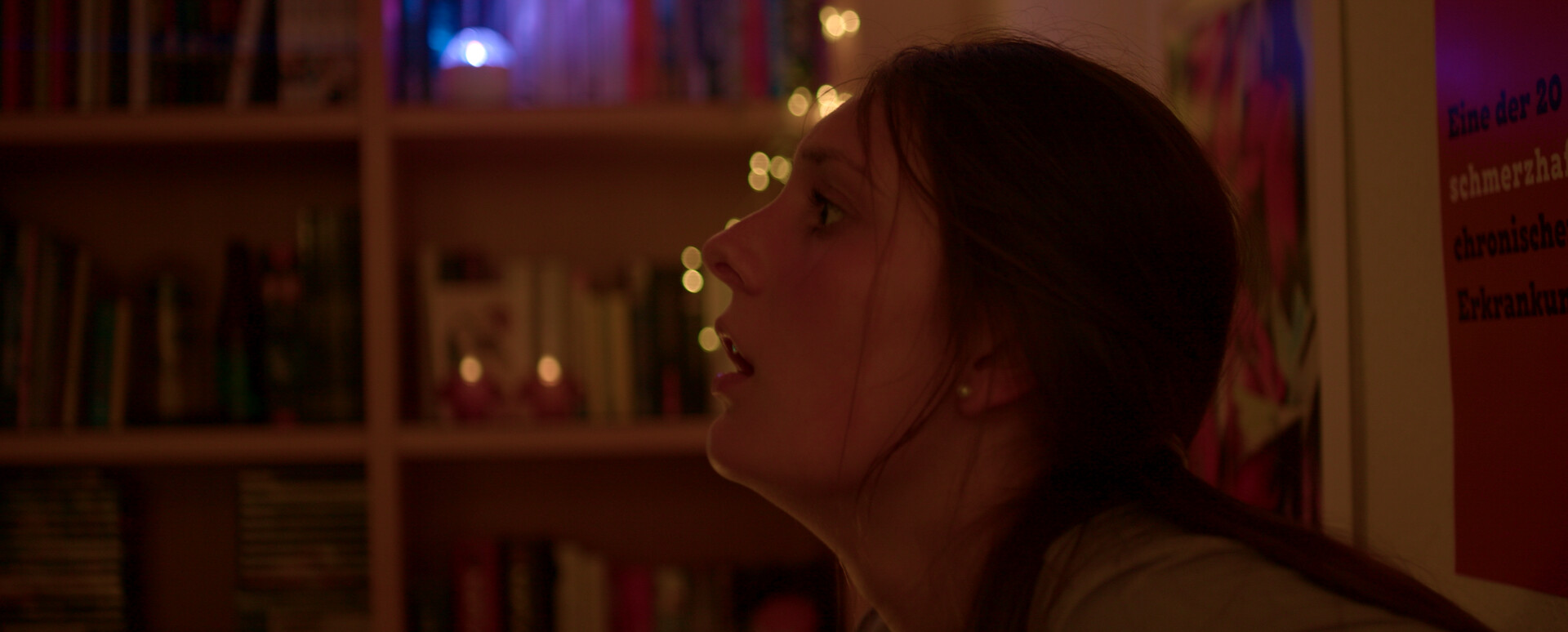
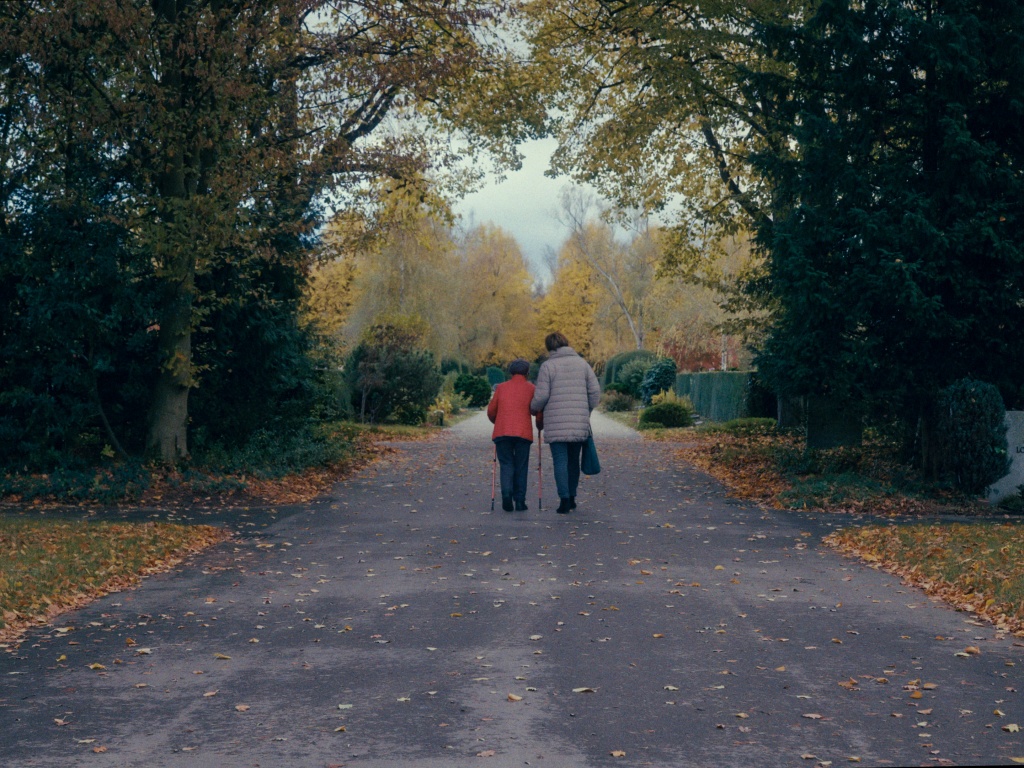
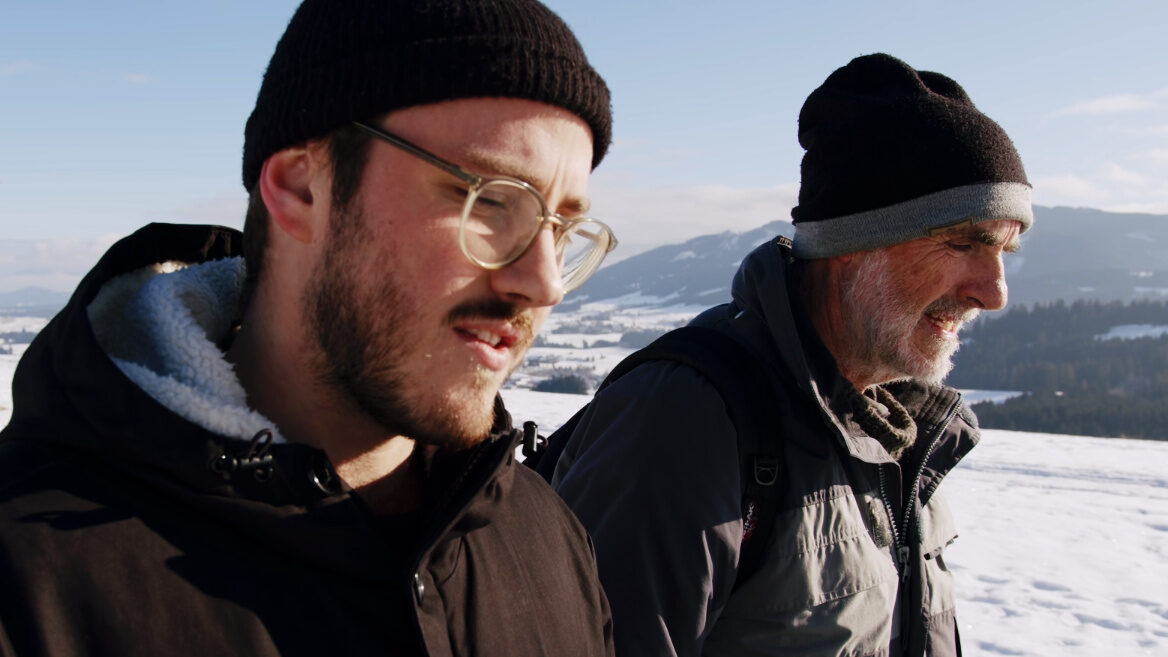
In our Special Topic ‘Recognition: Shining a light on the invisible’, we have two winners sharing the prize: “Die Zärtliche Revolution” by Annelie Boroș and “Meanwhile in Namibia” by Jonas Spriestersbach
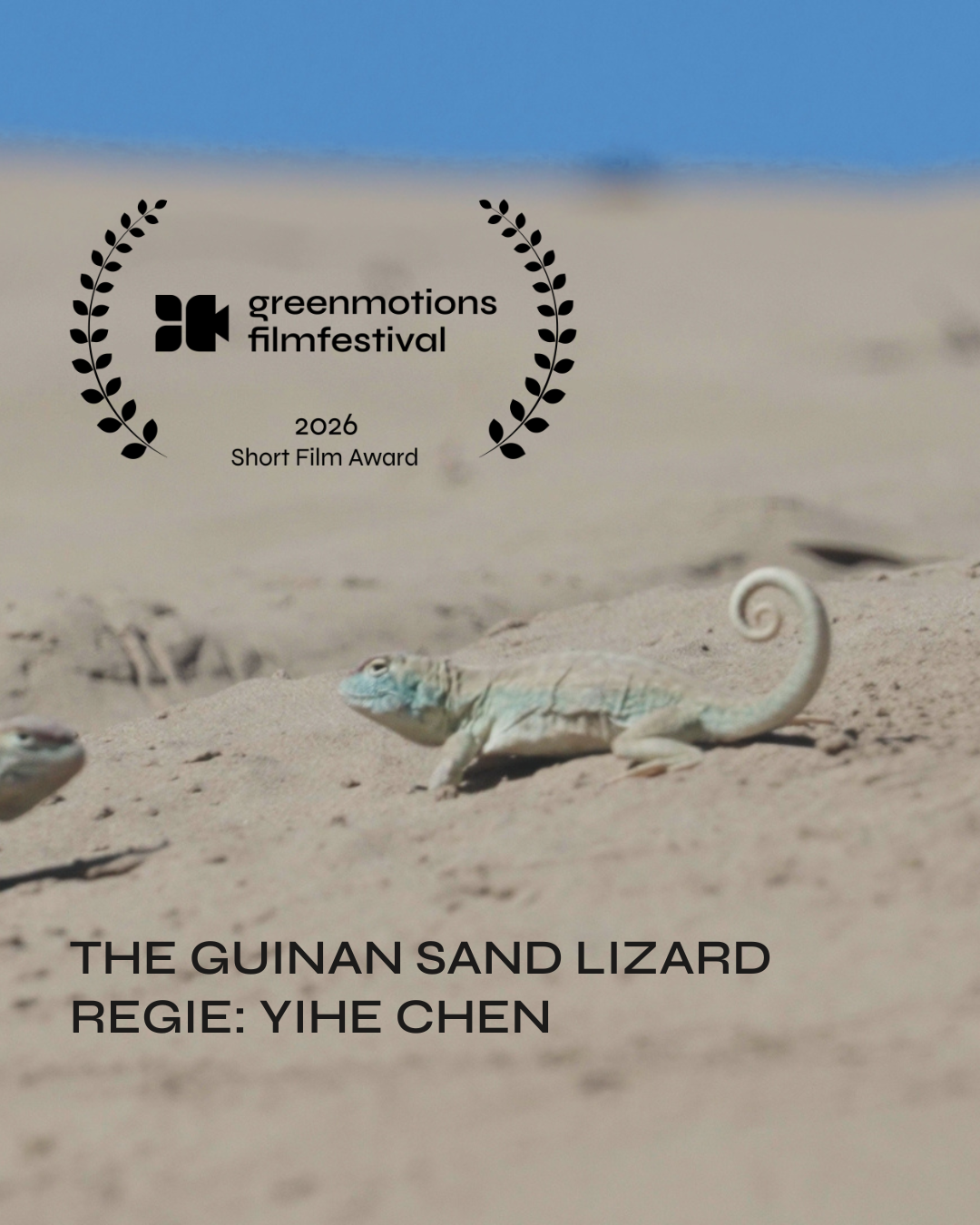
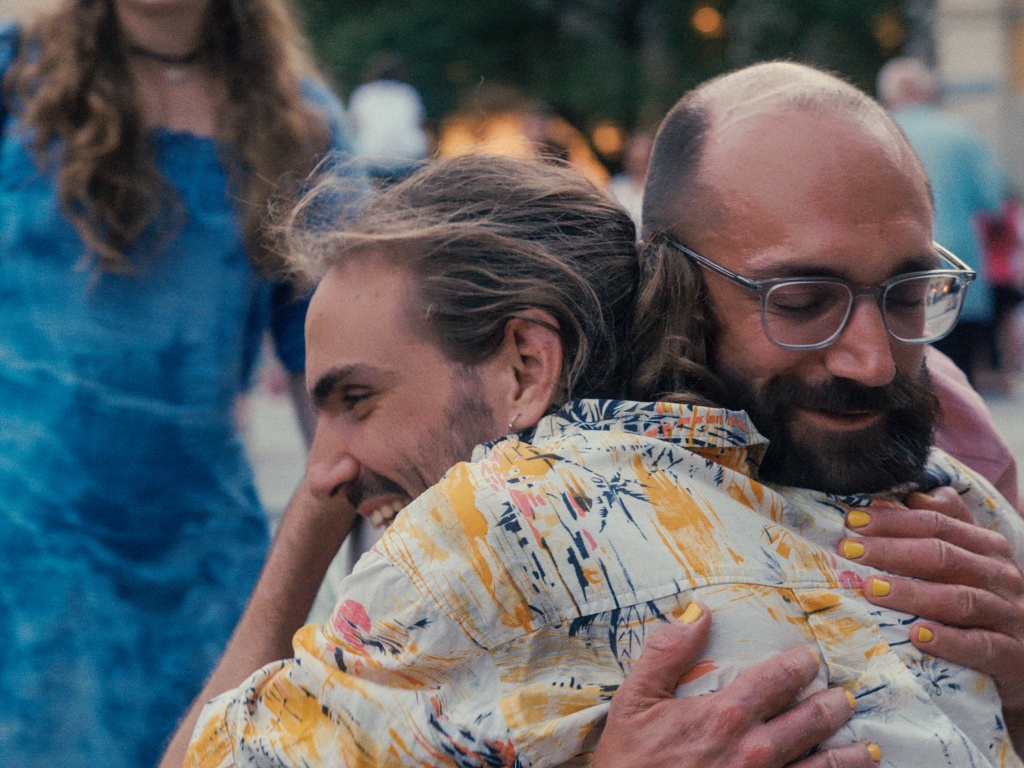
Our Short Film Award goes to: “The Guinan Sand Lizard” by Yihe Chen
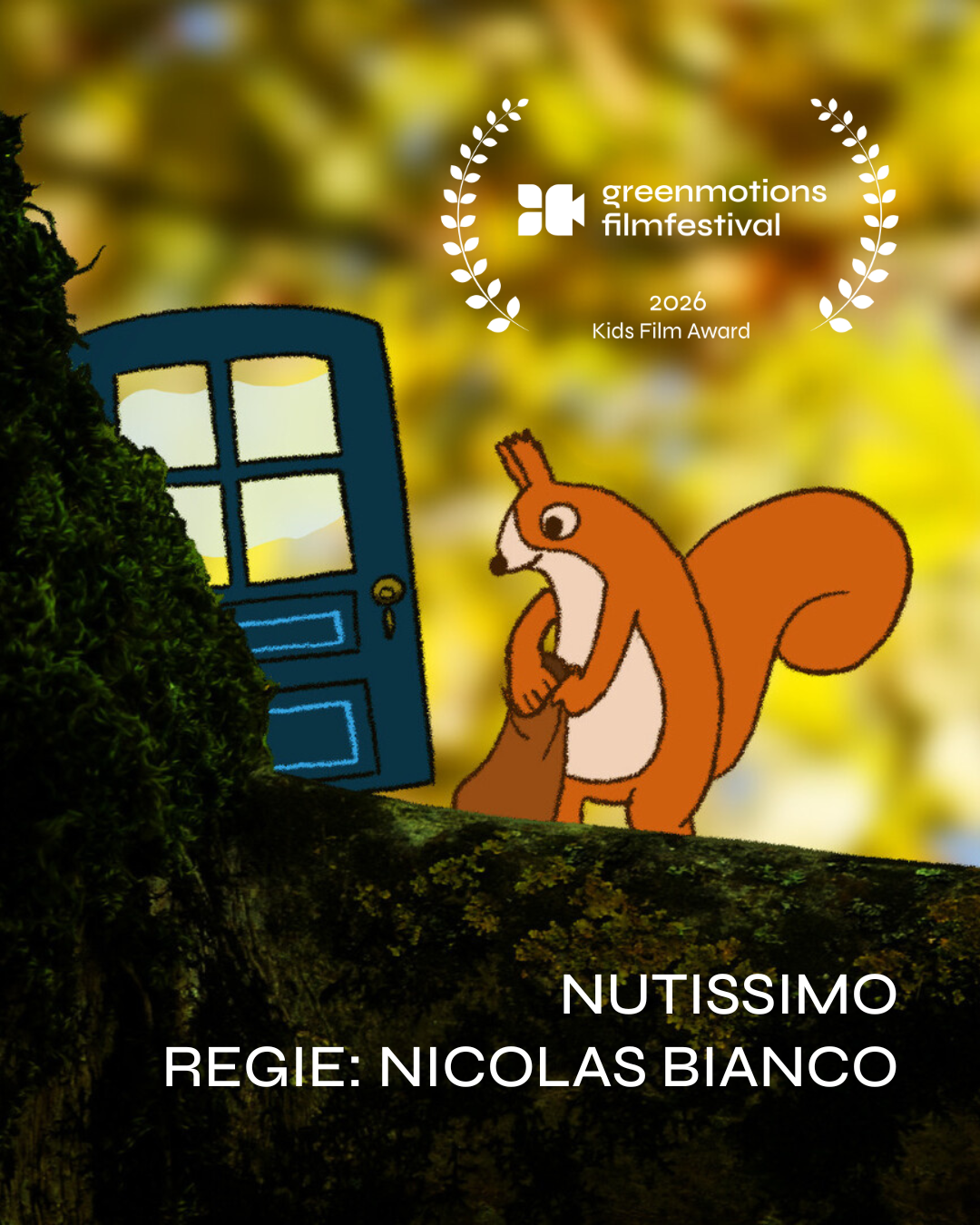
Our award for the best Short Film for Kids goes to: “Nutissimo” by Nicolas Bianco
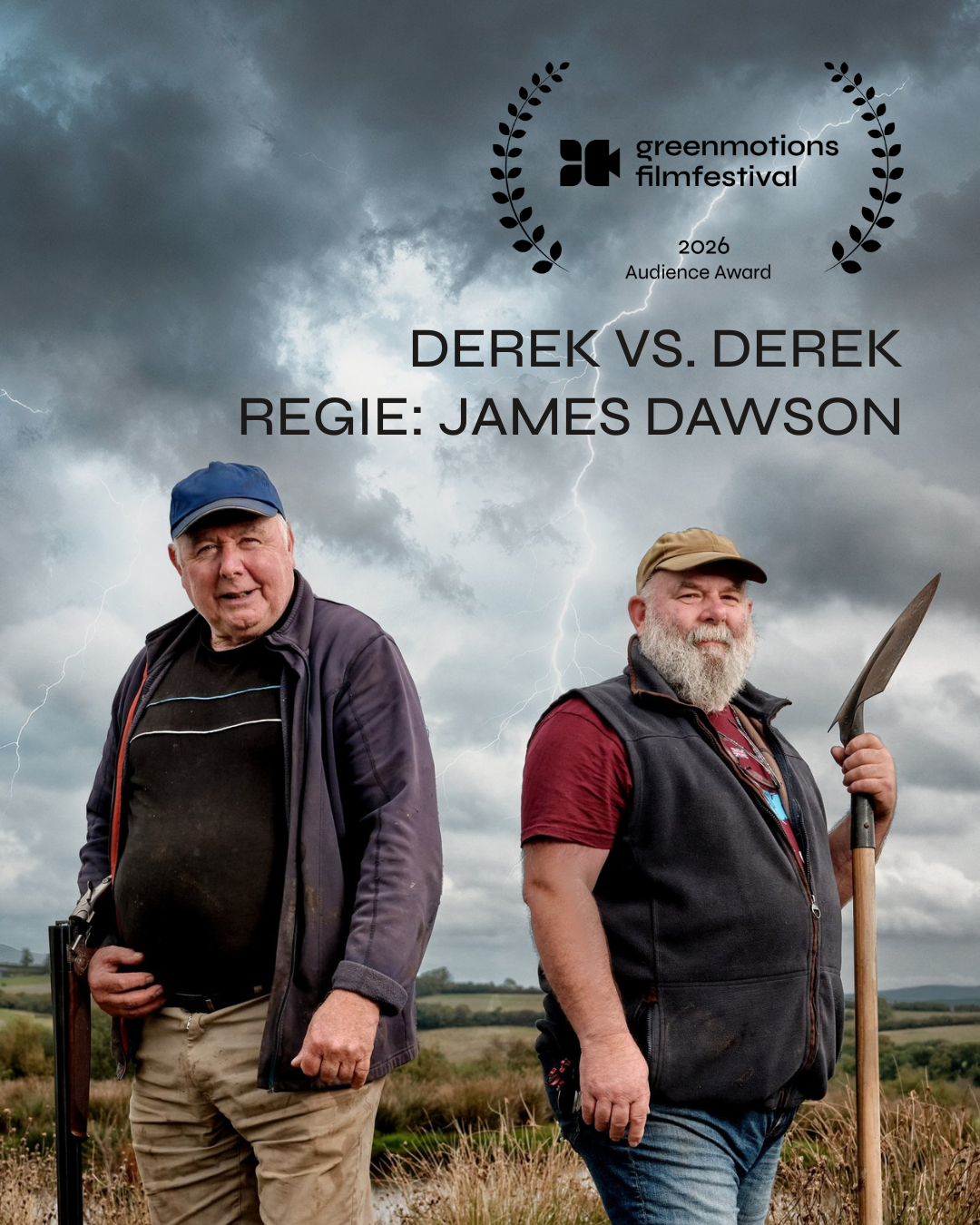
And finally, the winner of this year’s Audience Award is: “Derek vs Derek” by James Dawson
We’d like to thank all filmmakers whose films were part of our program this year for allowing us to make this event possible!
Die Zärtliche Revolution
Director: Annelie Boroș
Duration: 95 min
Language: German
Subtitles: German
“Tender Revolution” portrays people who are living exactly that and who are pushed to their limits every day in the process. Annelie Boroș accompanies her subjects with great empathy and respect and asks herself what it really means to care. When her close friend takes her own life during filming, the social exploration turns into a deeply personal narrative.
Meanwhile in Namibia
Director: Jonas Spriestersbach
Duration: 114 min
Language: German, Afrikaans, English, Otjiherero
Subtitles: Deutsch
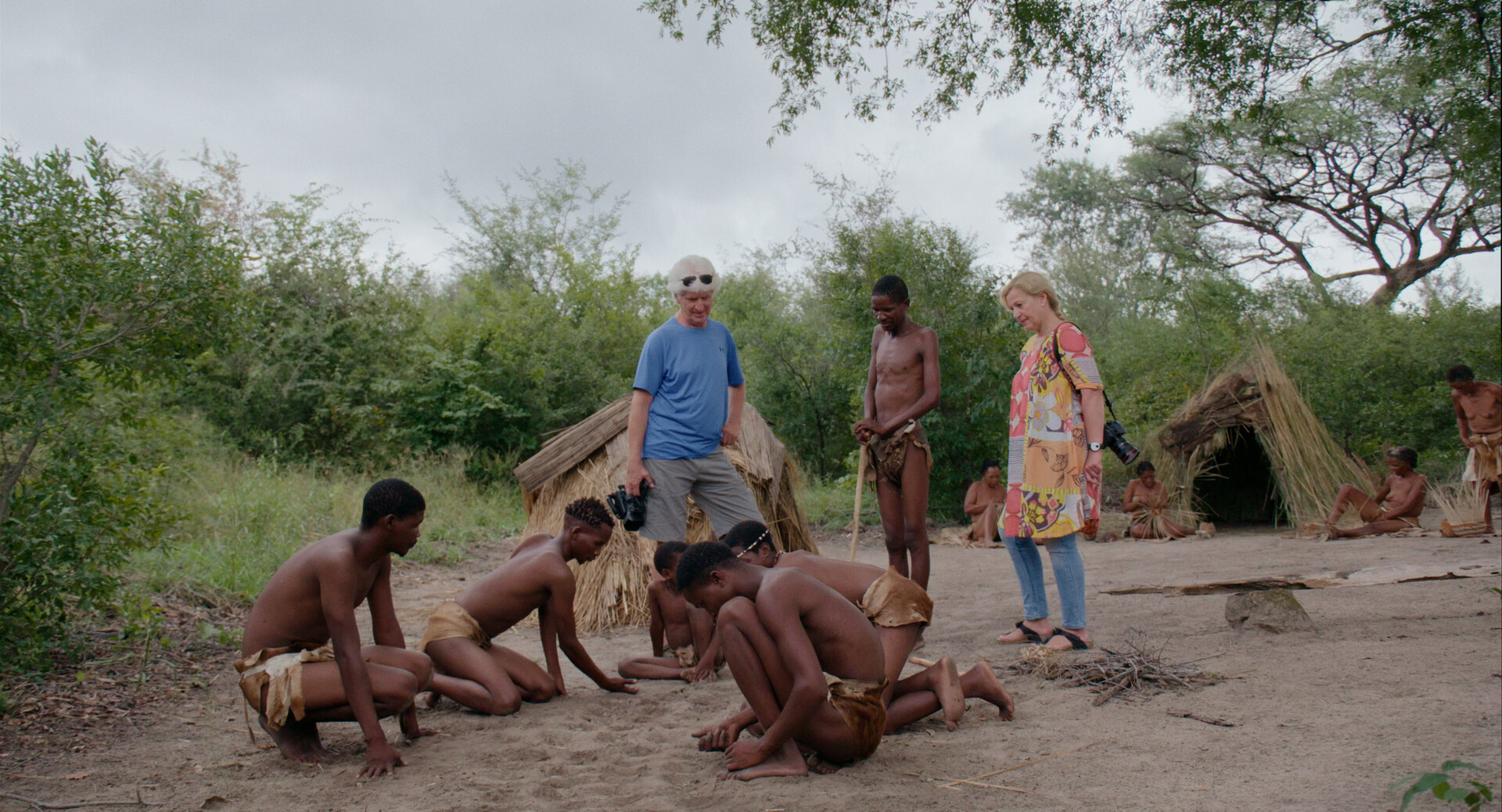
MEANWHILE IN NAMIBIA takes us to the former German colony, where colonial violence and expropriation have shaped the country’s society to this day. This brutally honest depiction of parts of a very unequal society does not shy away from exposing racist language and practices that some white residents still seem to consider to be “normal”.
The Guinan Sand Lizard
Director: Yihe Chen
Duration: 8 min
Sprache: Englisch, Chinesisch
Untertitel: Englisch
This short documentary centres on the Guinan sand lizard (Phrynocephalus guinanensis), a little-known reptile with an extremely limited habitat along the desert–grassland edge of the Mugetan desert. In a region undergoing rapid ecological change, the film observes how a species shaped by exposure, sparsity and open sand now lives alongside new forms of human intervention.
Nutissimo
Director: Nicolas Bianco-Levrin
Duration: 3 min
Language: No Dialogue
A squirrel is diligently collecting nuts to prepare for the winter months. But a walnut also peaks the interest of a crow. Soon, a chase ensues.
Derek vs Derek
Director: James Dawson
Duration: 88 min
Language: English
Subtitles: English
A delightfully light-hearted look at two very different land-use philosophies in the british countryside. While Derek Gow transforms his pasture into a refuge for nature and wildlife, his neighbour Derek Banbury runs a carefully thought-out intensive dairy farm. But keeping order on a farm isn’t easy when your neighbour keeps bringing home boars, beavers and other critters to his rather unkempt property.
In this workshop we explore climate anxiety: where it comes from, how it affects us, and how we can turn worry into action instead of paralysis. With psychological insights and practical exercises for navigating fears about the future. Offered by Psychologists for Future, led by David Buggle, psychologist (M.Sc.) and Anne von Lucadou (Dipl.-Psych., psychotherapist). Please register beforehands by sending an email to reservation(at)greenmotions-filmfestival.de.
Die Zärtliche Revolution + Opening Ceremony + Invisible Barriers
Director: Annelie Boroș / Severin Werner
Duration: 100 min (95 min / 5 min)
Languages: German, Polish, Spanish
Subtitles: German
What if care were not the exception, but the norm in society?
“Tender Revolution” portrays people who are living exactly that and who are pushed to their limits every day in the process: Arnold cares for his severely disabled son and campaigns for greater recognition of family carers. Bożena, a 24-hour carer from Poland, speaks openly about exploitation in the care sector. Samuel, a wheelchair user and activist, wants to set up an inclusive housing project. And Amanda, a climate activist with roots in Peru, links human compassion with the protection of our planet. Annelie Boroș accompanies her subjects with great empathy and respect and asks herself what it really means to care. When her close friend takes her own life during filming, the social exploration turns into a deeply personal narrative.
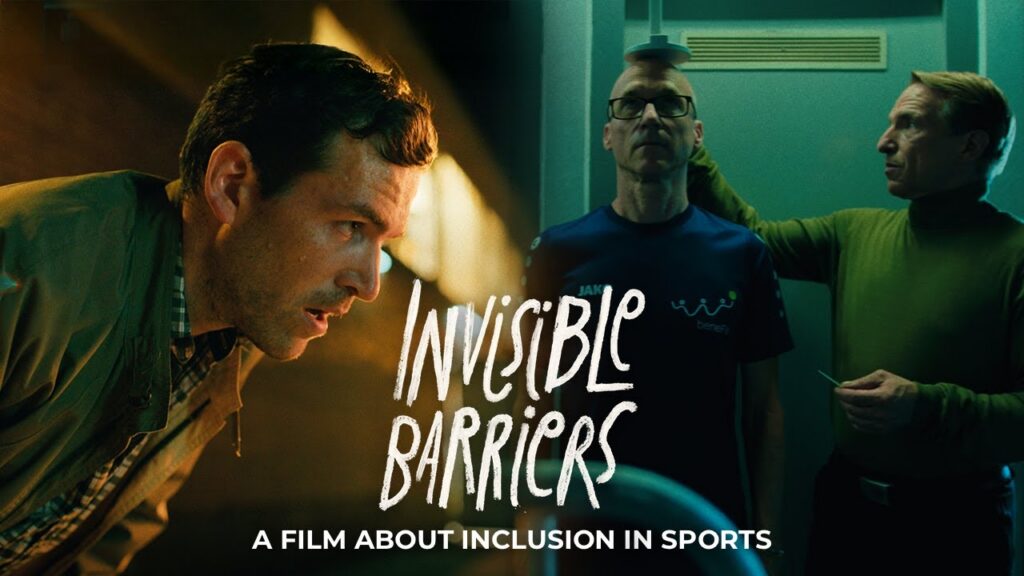
Invisible Barriers is a short film about exclusion and the invisible rules that determine who gets to participate in sports.
This social impact film was created in collaboration with “Benefit”, a non-profit organization working at the intersection of sports and social issues. Benefit is committed to breaking down barriers and creating greater access to sports and exercise, particularly for people affected by poverty.
Following the screening, we will have a discussion on the topic “Caring society – but how?”, with Annelie Boroș, director of the film, the Pacing team Freiburg, Lucia Eitenbichler, head of Ursulinenhof Oberried, an inclusive housing project, and Sarah Baumgart, commissioner for the interests of people with disabilities, city of Freiburg.
We use a solidary pricing system. After choosing your seats, you can freely choose from our three price categories: 5€ (“Greenmotions Solipreis”), 8€ (“Normal”) or 12€ (“Greenmotions Spende”) if you want to give a bit of extra support to our festival.
This year, we’re also offering a festival pass. You can find more information about the pass and a link to purchase it here.
The German government refuses to pay reparations for its occupation of Namibia and the genocide of the indigenous population. Instead, it implements a development aid program, exhibiting the descendants of the victims in a way that draws a bitter parallel to the history of human zoos.
Meanwhile in Namibia takes us to the former german colony, where colonial violence and expropriation have shaped the country’s society to this day. This brutally honest depiction of parts of a very unequal society does not shy away from exposing racist language and practices that some white residents still seem to consider to be “normal”.
The Q&A with director Jonas Spriestersbach has sadly been cancelled.
Content Warning: This film contains racist language and imagery.
Main screening sold out? We will also show the movie in a parallel screening in the cinema’s gallery room.
We use a solidary pricing system. After choosing your seats, you can freely choose from our three price categories: 5€ (“Greenmotions Solipreis”), 8€ (“Normal”) or 12€ (“Greenmotions Spende”) if you want to give a bit of extra support to our festival.
This year, we’re also offering a festival pass. You can find more information about it and a link to purchase the pass here.
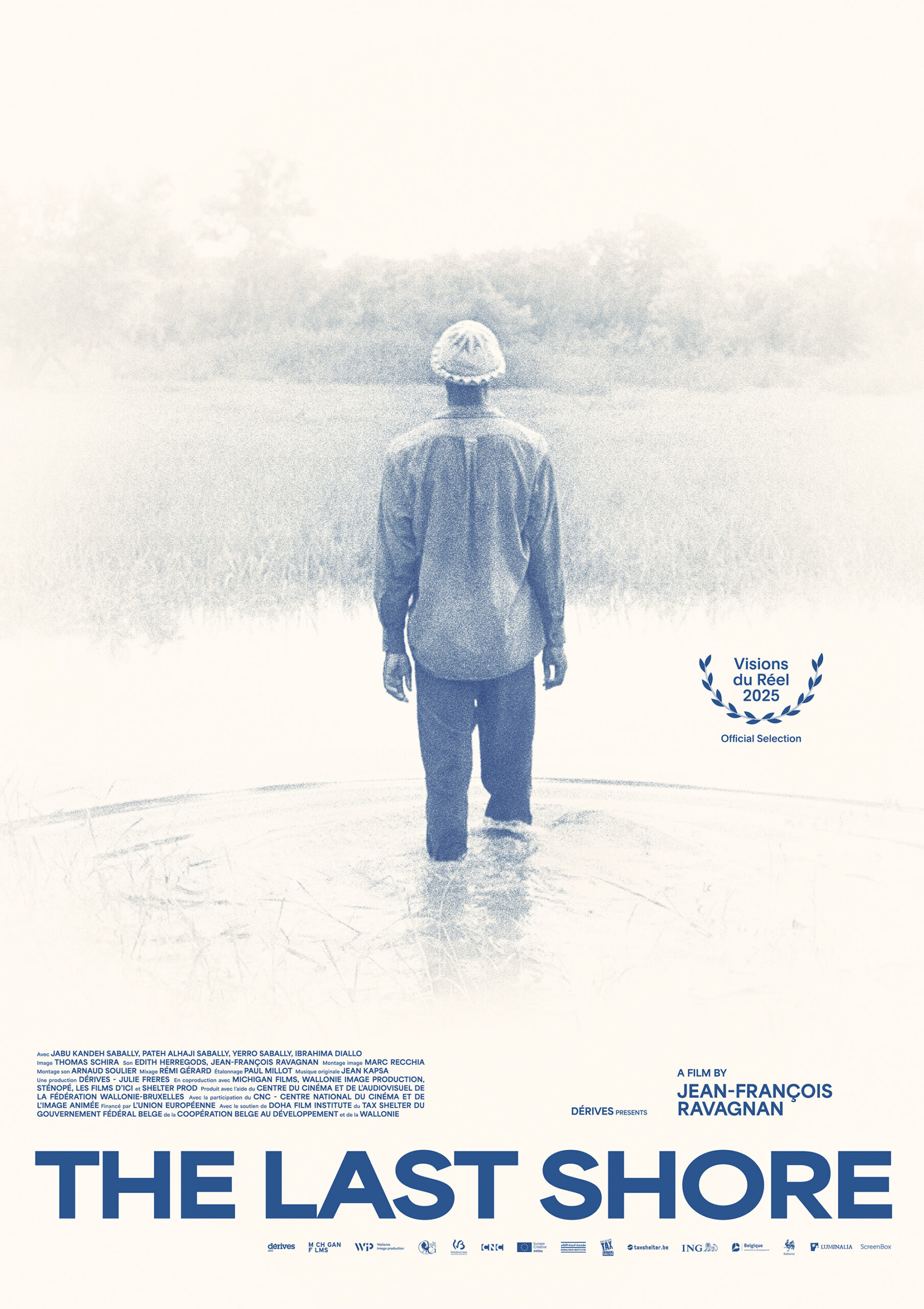
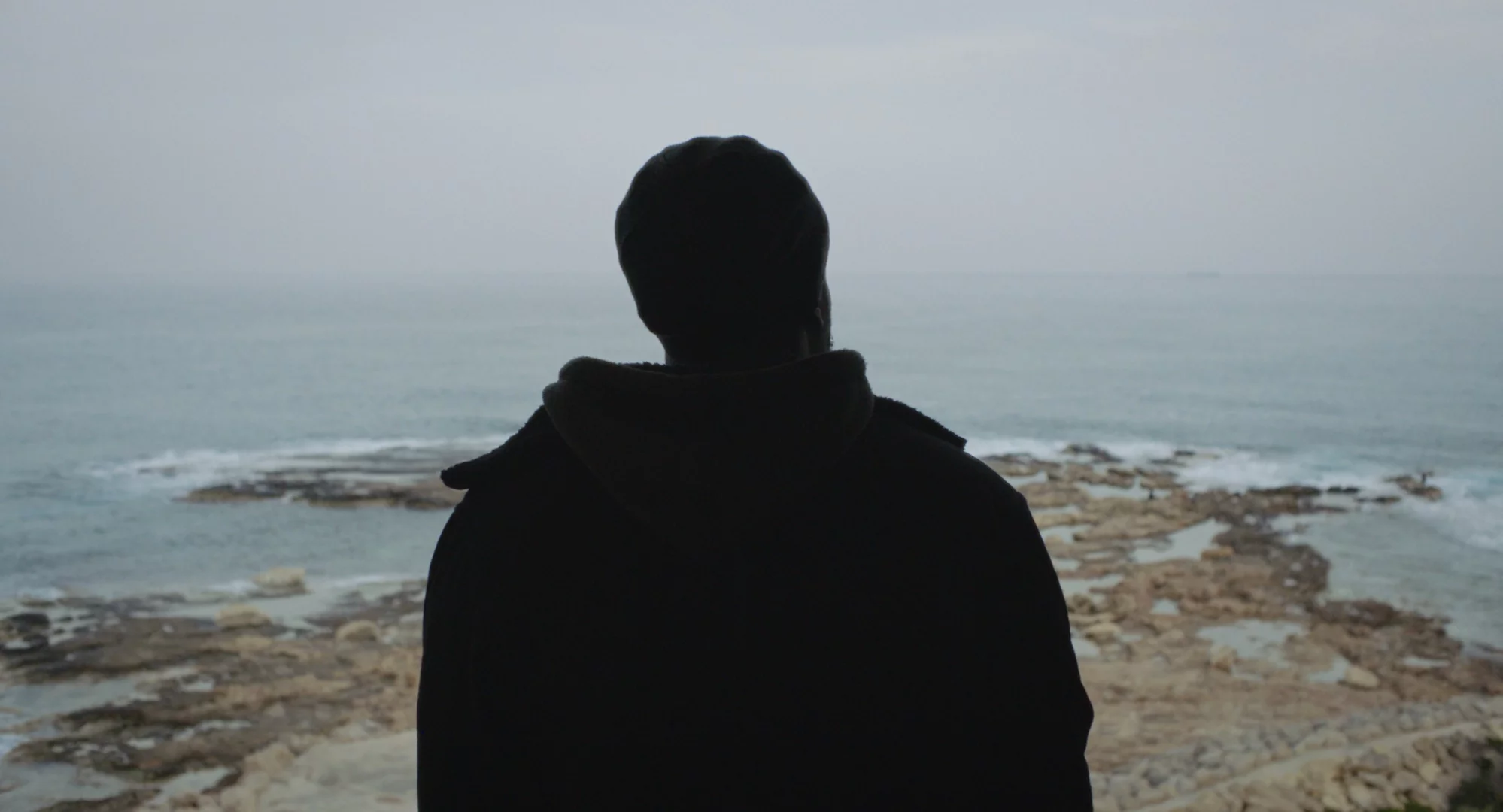
In January 2017, a video of a young Gambian drowning in the waters of Venice’s Grand Canal went viral on social networks. Filmed with a mobile phone, the body, petrified by the cold, appears to be sinking despite the lifebuoys thrown in its direction. From the shore, passers-by insulted him without helping him. He was 22 and his name was Pateh Sabally. 2500 miles away, the voices and faces of his family tell the story that preceded this tragedy, the story behind the images.
After the movie, there will be a podium discussion on the topic „Building the Mosaic: Pluralism by Design” with cultural migration activist Kirstie Angstmann, Gustave Nango-Fotso from integration management of the city of Freiburg and Daniela Eneh from Migrant*innenbeirat Freiburg.
We use a solidar price system. A normal ticket costs 8 €, a reduced ticket 5€ (select „Greenmotions Solipreis“ at the checkout). If you want to support the festival and people of lower income, you can also choose to pay your ticket 12 € (select „Greenmotions Spende“ at the checkout).
This year, we’re also offering a festival pass. You can find more information about it and a link to purchase the pass here.
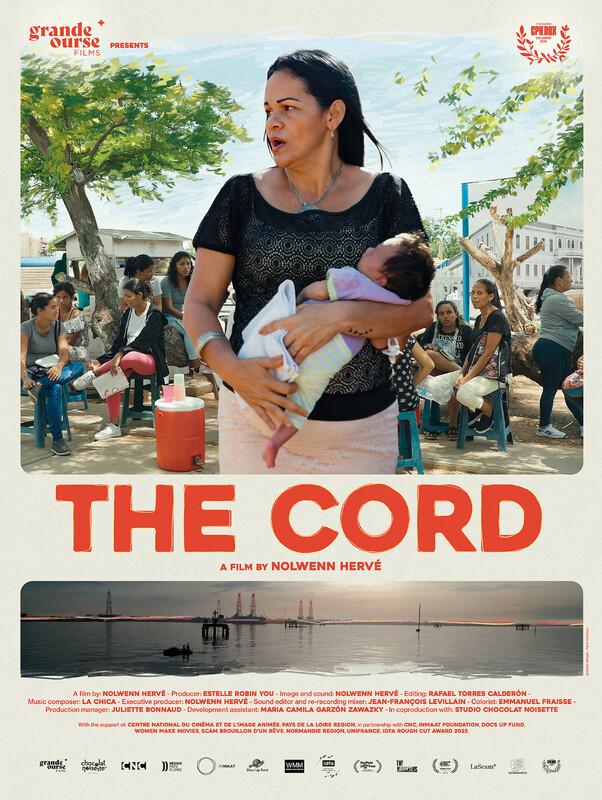
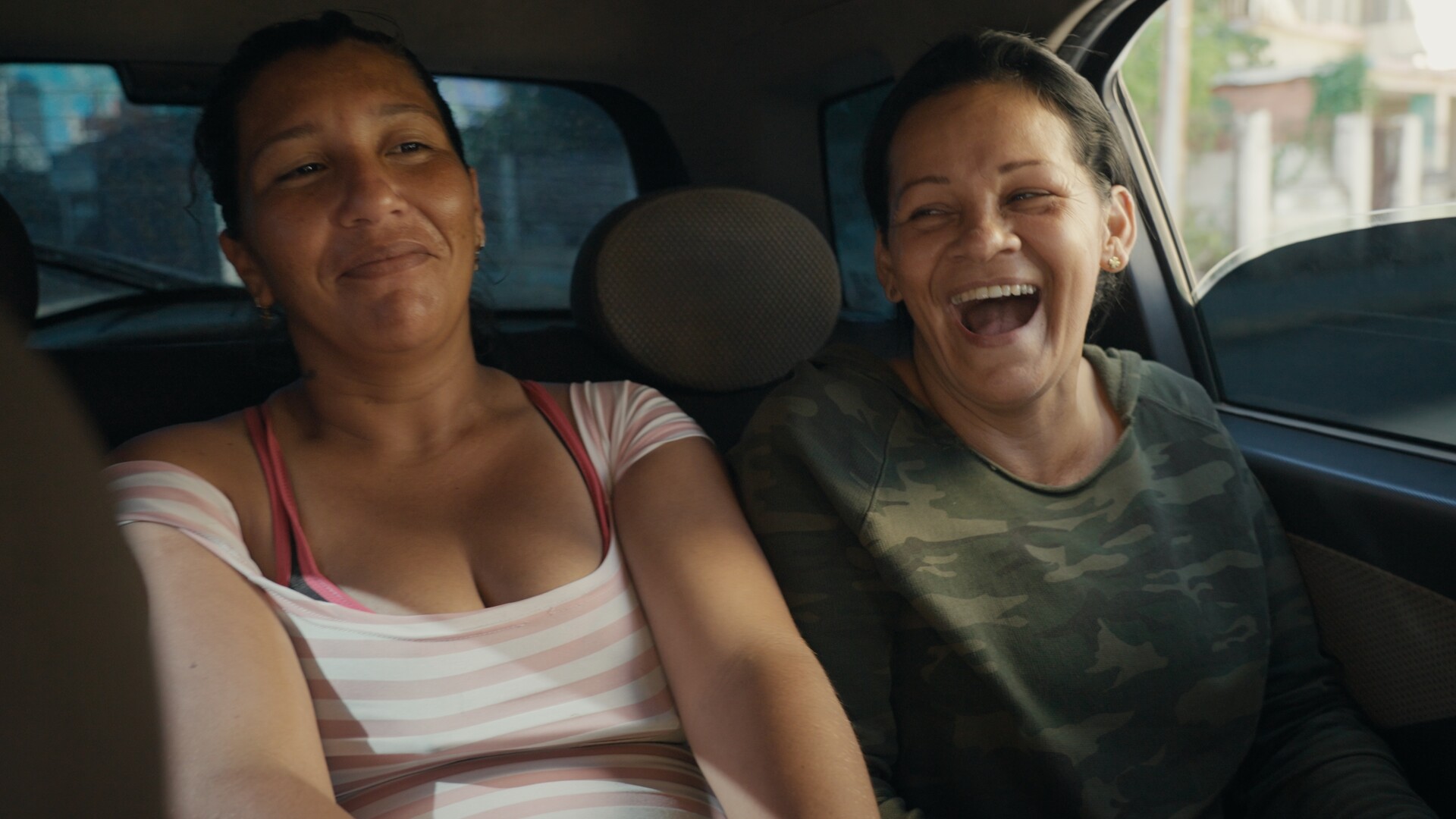
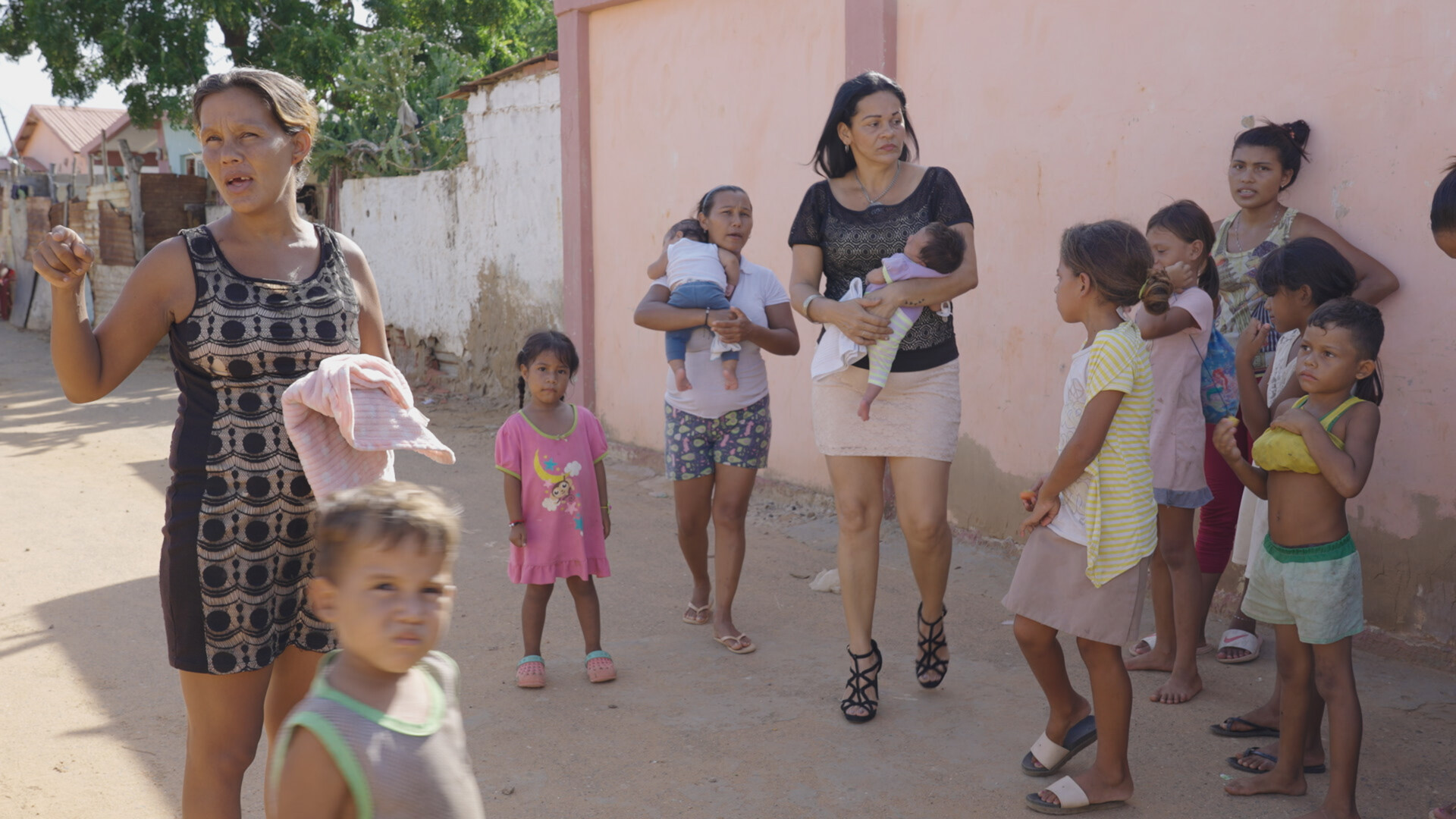
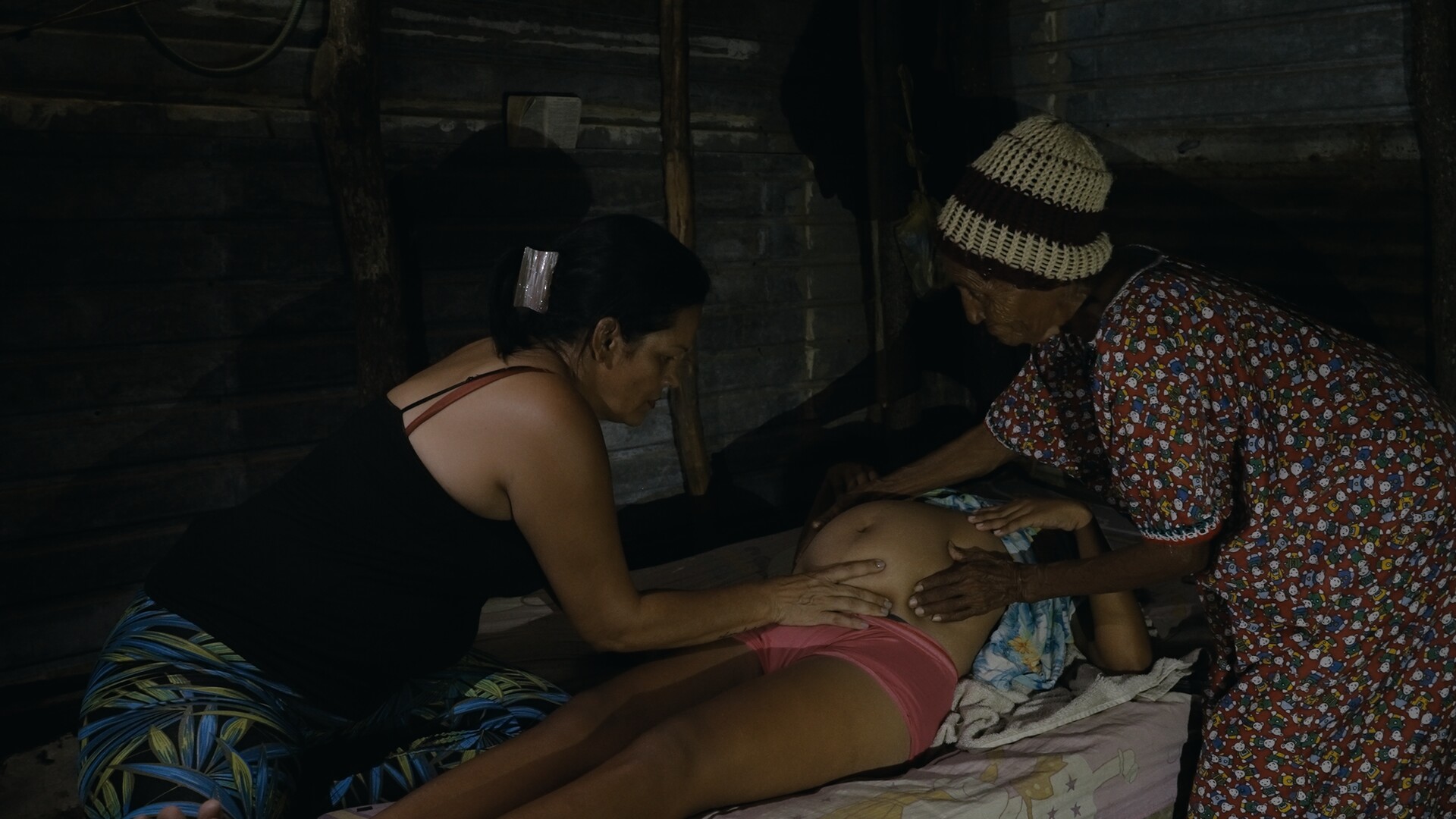
In Venezuela the healthcare system hangs on by a thread. For pregnant women going into labour, that often means having to bring their own medical supplies in order to be admitted into hospitals. “The Cord” follows Carolina Leal, who runs an organisation to help mothers and newborns get medical supplies and access to hospitals.
Leal’s tireless fight for pregnant women and their right for medical care sets an example for selfnessness. She demonstrates the value of caring for others in your community, when your institutions fail.
We use a solidar price system. A normal ticket costs 8 €, a reduced ticket 5€ (select „Greenmotions Solipreis“ at the checkout). If you want to support the festival and people of lower income, you can also choose to pay your ticket 12 € (select „Greenmotions Spende“ at the checkout).
This year, we’re also offering a festival pass. You can find more information about it and a link to purchase the pass here.
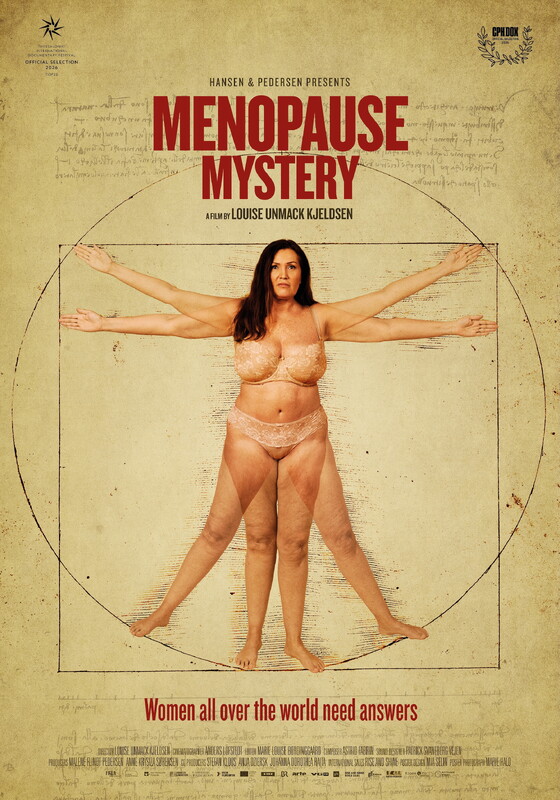
Director: Louise Unmack Kjeldsen / Marta Fleischauer
Duration: 78 min (74 min / 4 min)
Languages: Danish, English, French, German, Portuguese, Spanish / German
Subtitles: English
When director Louise Unmack Kjeldsen is struck by insomnia, brain fog and depression, she slowly realises that what she thought was a private crisis is in fact a global experience shared by women all over the world.
Even though half the world’s population experiences it, menopause has been inadequately studied from a medical perspective to this day. Common complaints are known, but the causes are poorly understood. Now researchers around the world are searching for answers. By showing how a lack of recognition causes affected women* to suffer and be excluded from social life, this film raises questions about social and economic sustainability.
The event will begin with a screening of the short film “Sieh mich”, which explores the health and social consequences of endometriosis.
After the screening, there will be an online Q&A with the film maker Louise Unmack Kjeldsen.
We use a solidar price system. A normal ticket costs 8 €, a reduced ticket 5€ (select „Greenmotions Solipreis“ at the checkout). If you want to support the festival and people of lower income, you can also choose to pay your ticket 12 € (select „Greenmotions Spende“ at the checkout).
This year, we’re also offering a festival pass. You can find more information about it and a link to purchase the pass here.
The submission period for the Greenmotions Filmfestival 2026 has officially begun. Participation is open to all. The festival welcomes films produced using any technique, including animation, documentary, drama, experimental or artistic films, and hybrid work, regardless of budget size.
We are looking for films for our four different categories:
– Short film – Kids & young audience short film – Feature film – Special Topic 2026 “RECOGNITION: Shining a Light on the Invisible”
The first three categories focus on the general environmental and sustainability themes.
With this year’s Special Topic, “Recognition: Shining a Light on the Invisible”, the Greenmotions Filmfestival focuses on people and realities that often remain unseen – even though they sustain our societies and our shared wellbeing.
From unpaid care workers to marginalized communities, we highlight stories of struggle, resilience, and dignity. We explore who is recognized, who is overlooked, and why – and how systems of power and inequality contribute to invisibility. By giving space to unheard voices, we aim to foster empathy, critical reflection, and solidarity – and to inspire action toward a more just, inclusive, and sustainable world. A more detailed description of our special topic can be found here.
You can submit your movie via Filmfreeway. The submission period is open until April 16. 2026. You can check out our terms and conditionshere. We are looking forward of all the exciting and wonderful submissions for this year’s festival.
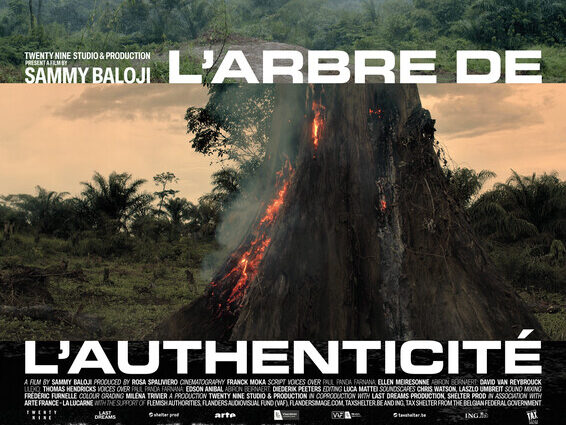
(Still from “L’Arbre de l’Authenticité”, Winner of the special topic prize in 2025 by Sammy Baloji)
We are thrilled to share the special topic for this year’s festival. As usual, there will be a specific prize category for movies as well as a workshop on the topic at this year’s festival.
The Greenmotions Filmfestival presents films that open new perspectives, inspire change, and make visible pathways toward a sustainable future. With this year’s Special Topic, “Recognition: Shining a Light on the Invisible”, we focus on people and realities that often remain unseen – even though they decisively shape our social coexistence and collective wellbeing. At the heart of this focus lies the question of recognition: Who is seen, heard and valued in our societies – and who is not?
One central group we address are those whose work is insufficiently recognized: people engaged in care and support work, much of it unpaid or poorly paid. This includes raising children, caring for elderly relatives, supporting people with disabilities as well as working in hospitals, nursing homes and social services. Care work is physically demanding and emotionally intensive. It sustains families, communities, and entire societies – yet it is too often taken for granted.
In Germany alone, adults perform more than 117 billion hours of unpaid care work every year, with women contributing around 72 billion of those hours. This exceeds the total number of paid working hours nationwide. Nevertheless, it is frequently dismissed as “non-productive”. Because care work is so physically and emotionally exhausting and highly time-consuming, many caregivers lack the time, energy, and resources to participate in political and social life. As a result, they are often unable to organize and advocate for better working conditions and recognition.
These inequalities are further intensified through intersecting forms of discrimination. Women continue to carry the main burden of care work, reflecting deeply rooted gender norms and unequal power relations. Migrant women, in particular, are disproportionately represented in precarious and informal care jobs. At the same time, care systems are increasingly shaped by economic efficiency and profit-oriented models. Institutions are expected to function like businesses, prioritizing cost reduction over human needs – and the growing pressure is borne by those who provide care, often at the expense of their health, dignity, and financial security.
Beyond care workers, this Special Topic also embraces other groups whose contributions to society tend to get overlooked. Groups like indigenous people, migrants, refugees, stateless people, sex workers, undocumented workers, people affected by addiction, homeless people and queer communities are historically pushed to be outsiders in society. Their value to society, culture and knowledge often gets ignored – in some cases wilfully remains unrecognised. Since their specific circumstances remain unaccounted for by many policies and jurisdictions, these groups rely heavily on support structures operating separately from state institutions and are cut off from many state-regulated social services. To the unaffected, the challenges faced by members of these groups as well as their role in societal structures largely remains invisible.
With this Special topic, we want to tell the stories of people, whose actions and needs are not recognised by parts of society. We seek stories that reveal the struggles, resilience and dignity of the systematically marginalised. In a time of political division and rising extremism, we furthermore strive to give a face and a voice to those who increasingly face dehumanisation and are wrongly deemed worthless by political movements around the world.
At the same time, we reflect on the structural dimensions of invisibility. Who benefits from systems that rely on unrecognized labour and marginalized lives? How do capitalism, political interests, and deeply rooted social norms contribute to exploitation and exclusion? And how do formal and informal networks of mutual support create spaces of resistance, care, and solidarity?
Recognition is not only about visibility – it is about respect, rights and responsibility. By “Shining a Light on the Invisible”, we aim to illustrate that a society is built around people and that it should take all its members into account. We hope to foster empathy, critical reflection, and collective action – and to strengthen movements toward a more just, inclusive, and sustainable future.
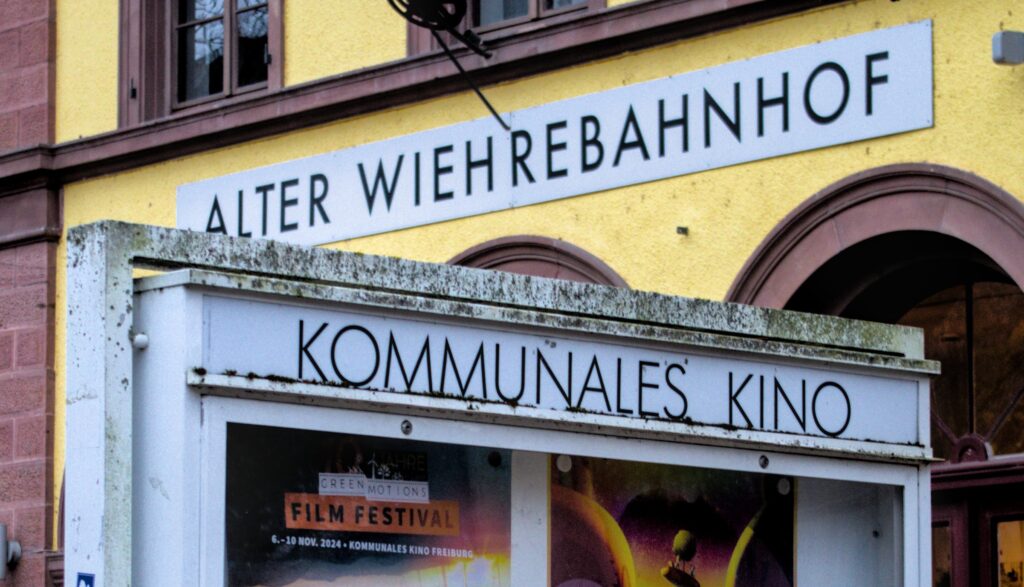
As in (almost) every year since 2014, the Greenmotions Filmfestival once again opened its doors to cinema and sustainability enthusiasts at Kommunales Kino at Alter Wiehrebahnhof from November 5th to 9th, 2025. This year, we have once again chosen a special topic to which we devoted particular attention in part of our program: “Closing the loop: living within Planetary Boundaries” addresses the question of how wasteful, linear lifestyles and economic practices can be overcome and replaced by circular lifestyles that enable a good life for everyone on a planet with finite resources.
With over 900 visitors over five days, numerous sold-out events, and a diverse film program, the festival was a resounding success. Thank you all for coming out in such large numbers, and thank you to all our sponsors and partners who made the festival possible. In this blog post, we would like to look back with you on the highlights of the last few days:
(Still from “wer wenn nicht du” winner of the audience award by Rosa-Lena Lange and Charlotte Weinreich)
Wednesday, November 5
Right from the first day, there was a lot going on at Kommunales Kino: over 70 people came to watch the film “wer wenn nicht du” (who if not you) by Charlotte Weinreich and Rosa-Lena Lange, as well as the short film “DARIO – How to (not) change the world” by Christian Belz, which deals with the question of what kind of activism is legitimate and promising in times of the escalating climate crisis. The film was followed by an exciting discussion with Charlotte and Christian, as well as Jannis Niethammer and Karl Braig, the two protagonists from “wer wenn nicht du.” This film was so well received by the audience that it was immediately voted the winner of the audience award at the end of the festival. Congratulations!
Thursday, November 6
The second day of the festival began with Dominic Allen’s film “Planet Wind: The global story of Offshore Wind”. Despite the early hour, nearly 50 guests were in the cinema auditorium, following the film on its journey to offshore wind farms around the globe. After the film, there was an exciting Q&A session with Nelly Kirsch from the City of Freiburg’s Environmental Protection Agency on the expansion of renewable energies in general and wind energy in particular in Freiburg and the surrounding area.
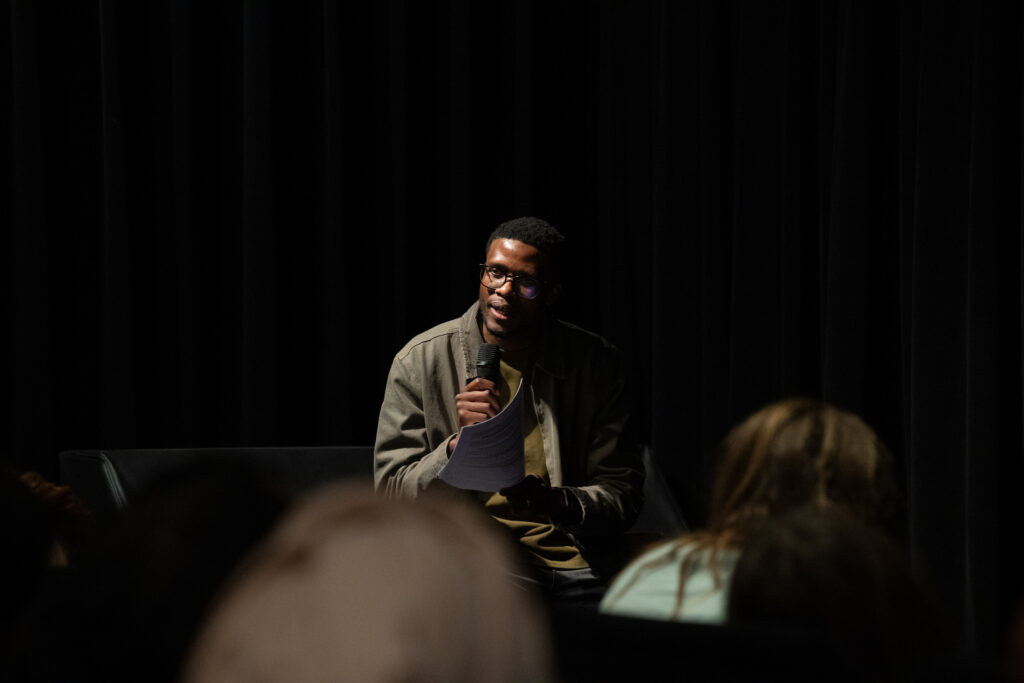
In the evening, the official opening ceremony of the festival took place as part of Rubén Abruña’s “Holy Shit”. Camillo and Carlotta from the organizing team guided the nearly 70 guests through the evening in the packed cinema. After the film, which was also the first item on the program for this year’s special topic, Rubén, Undine Löhfelm, publisher of the book accompanying the film, and Andreas Doerne from the Holistic Compost Lab in Sankt Peter were guests and shared exciting thoughts about how we deal with human waste and how we could use it as a resource.
Friday, November 7
With almost 170 guests, the festival really got going on the third day. The day opened with the film “Lost for Words”, a meditative collage by Hannah Papacek-Harper about our connection to nature and what the loss of wilderness means for us humans.
This was followed by another film from our special topic category: “l’Arbre de l’Authenticité” by Sammy Baloji, a poetic cinematic essay that gives a voice to the trees in the Congolese rainforest and thus takes a critical look at Belgium’s colonial past and the ecological significance of the DR Congo today. Our special topic jury had already decided in the run-up to the festival to award this year’s EWS-sponsored prize to l’Arbre de l’Authenticité. Congratulations!
The evening concluded with the film “The Battle for Laikipia” by Daphne Matziaraki and Peter Murimi. The questions raised in the film (How does colonial heritage still determine land ownership in parts of Africa today? What potential for conflict does this hold, and how is it further exacerbated by the climate crisis?) were explored in greater depth after the film in a Q&A session with Edwin Mutyenyoka from the Arnold-Bergstraesser-Institute.
Saturday, November 8
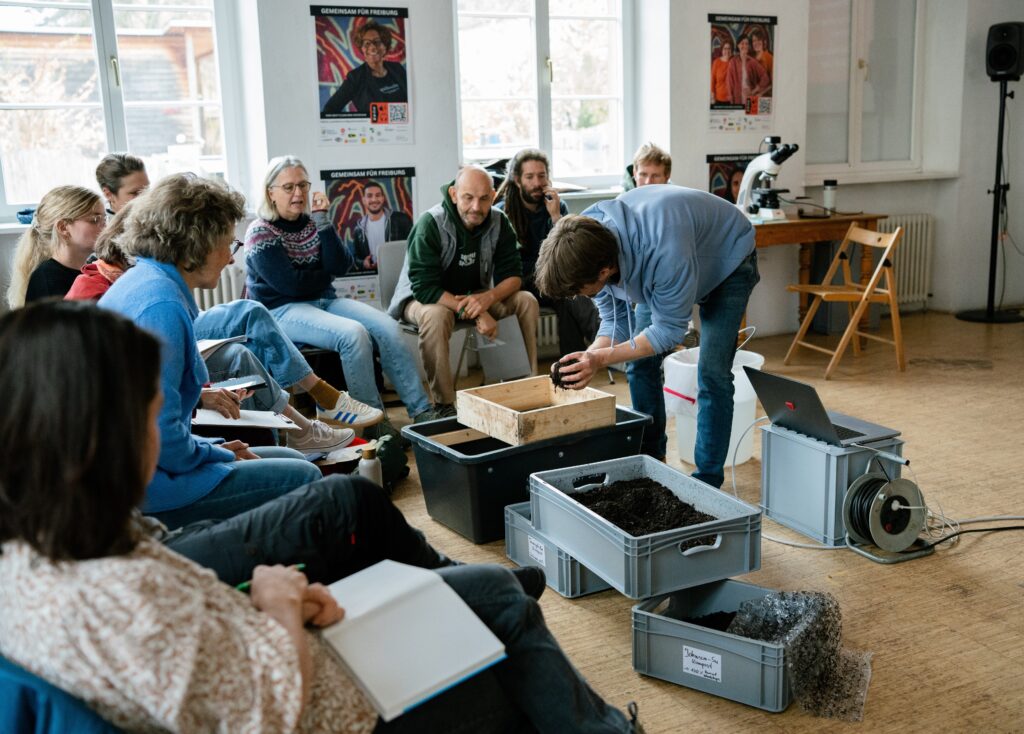
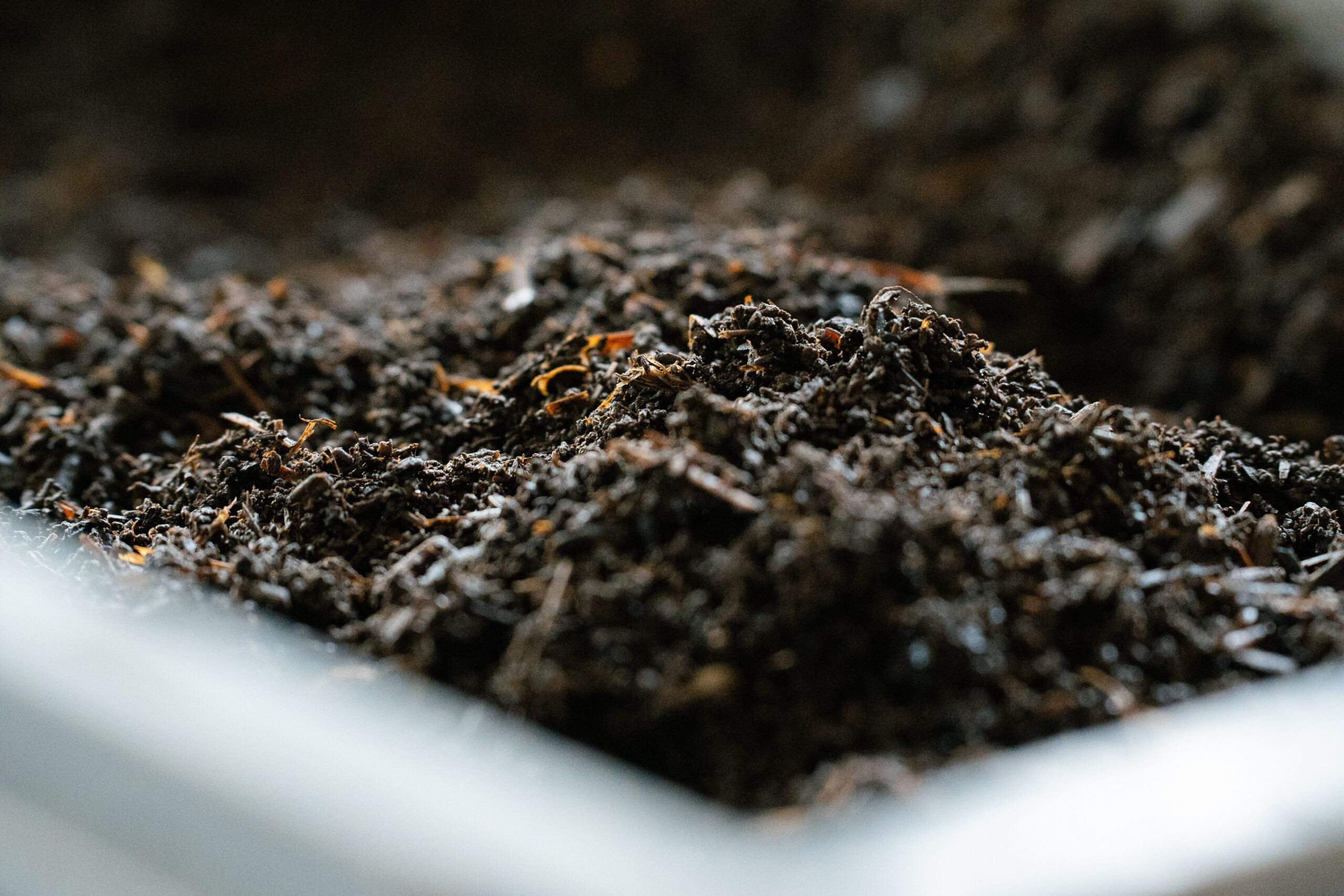
The fourth day of the festival began much earlier than the previous ones, as it was the weekend, with an interactive program item: In a three-hour workshop, Andreas Doerne from Holistic Compost Lab, who had already enriched the panel discussion on Thursday with his expertise, introduced the 15 participants to the fine art of composting.
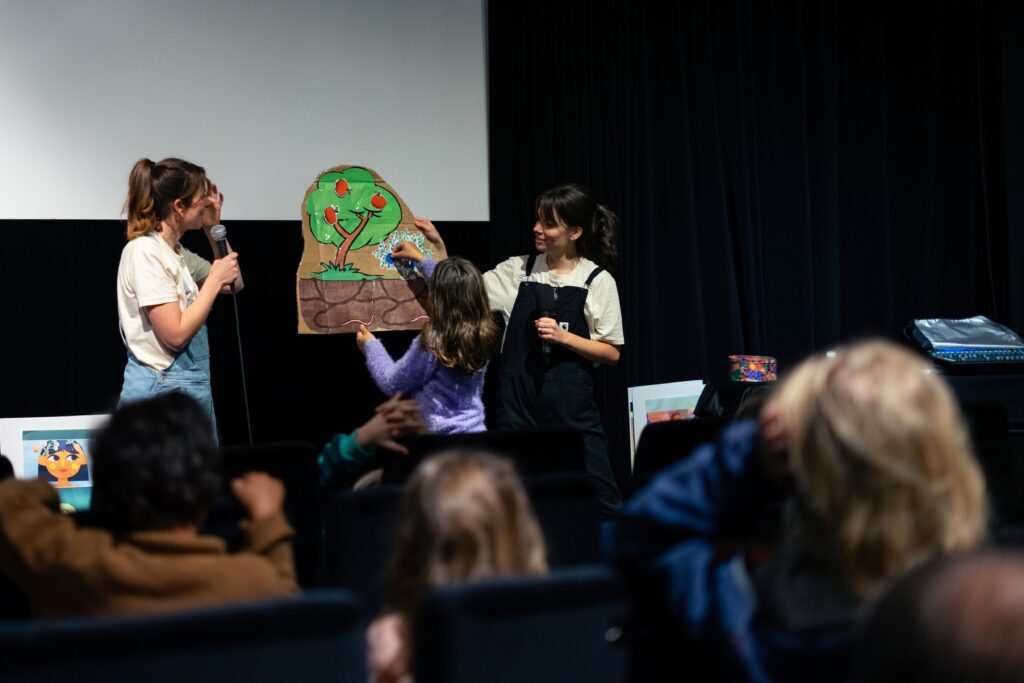
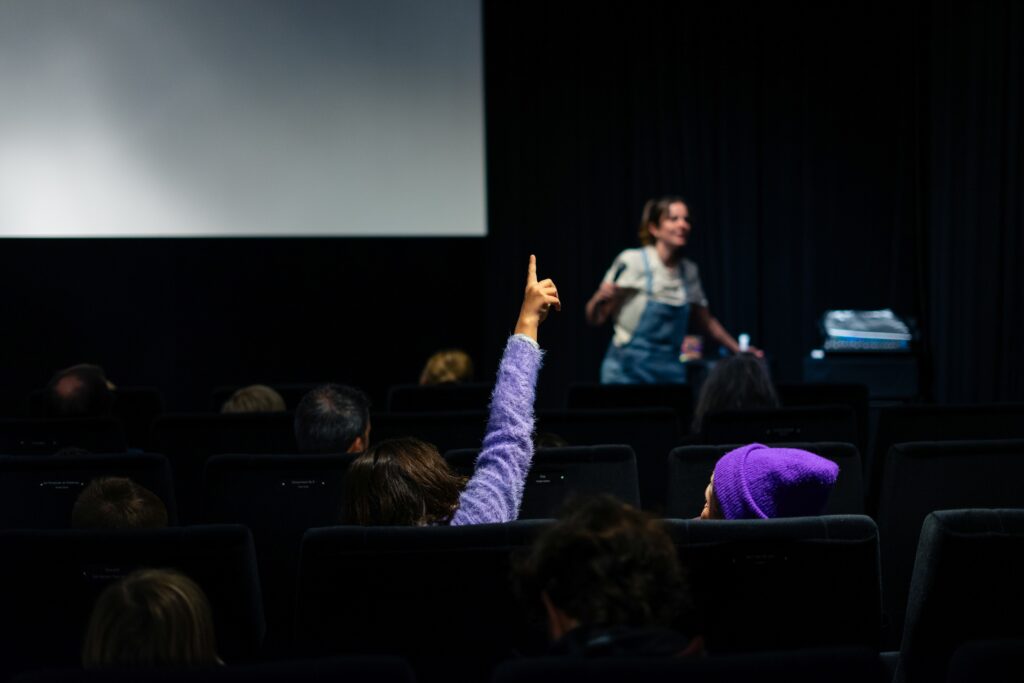
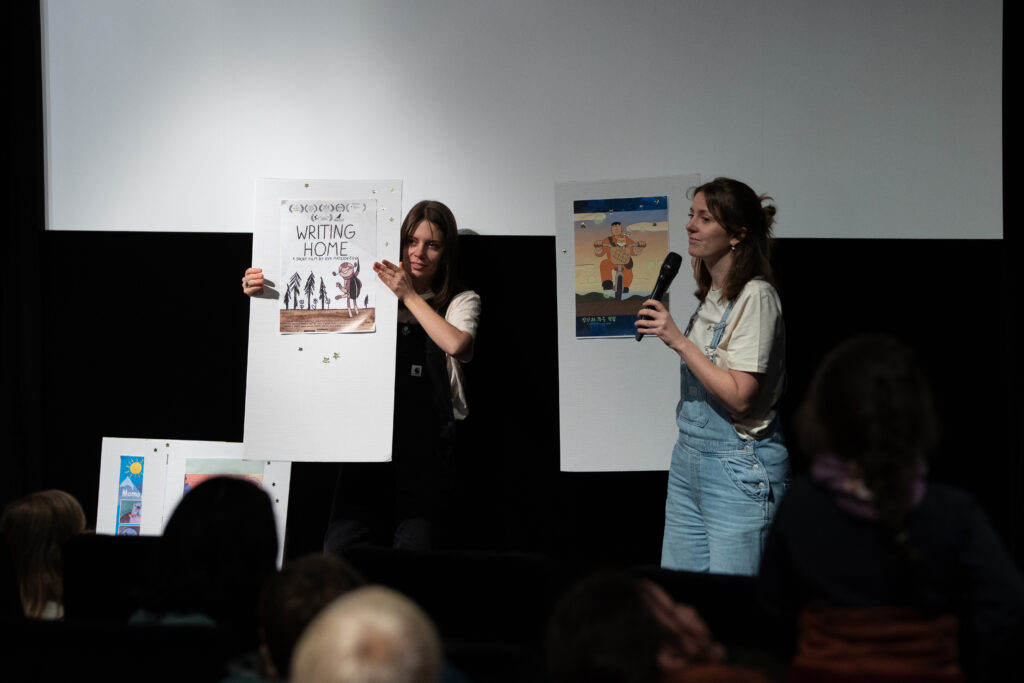
At the same time, the first round of our yearly kids’ program took place in the cinema: Anne and Laura from the organising team guided over 30 children aged five and above and their accompanying adults through a colorful program of short films on the topics of environmental protection and sustainability.
On Saturday afternoon, two more films on the special topic were on the program: “People at the Heart of Change” by Karen Logan and “Ben & bEartha: A Community’s Compost Love Story” by Jordan Osmond show inspiring grassroots composting projects from South Africa and New Zealand, respectively. After the film, Veit Cornelis from the Freiburger Abfallwirtschaft ASF answered visitors’ questions about the waste system in Freiburg and the measures being taken to establish stronger material cycles in this area.
The journey around the globe continued cheerfully in the afternoon: Curmiah Lisette’s film “Roots of Resilience: Stories of Caribbean Women in Agriculture” presents an organization on the Caribbean island of St. Lucia that is committed to empowering women in local agriculture. “Birdsong” by Kathleen Harris follows an Irish ornithologist as he attempts to record the voices of all bird species in Ireland. “Li Cham” by Ana Ts’uyeb movingly depicts the emancipation of three Tsotsil women who regain their belief in a life of freedom and independence through the philosophy of Zapatismo.
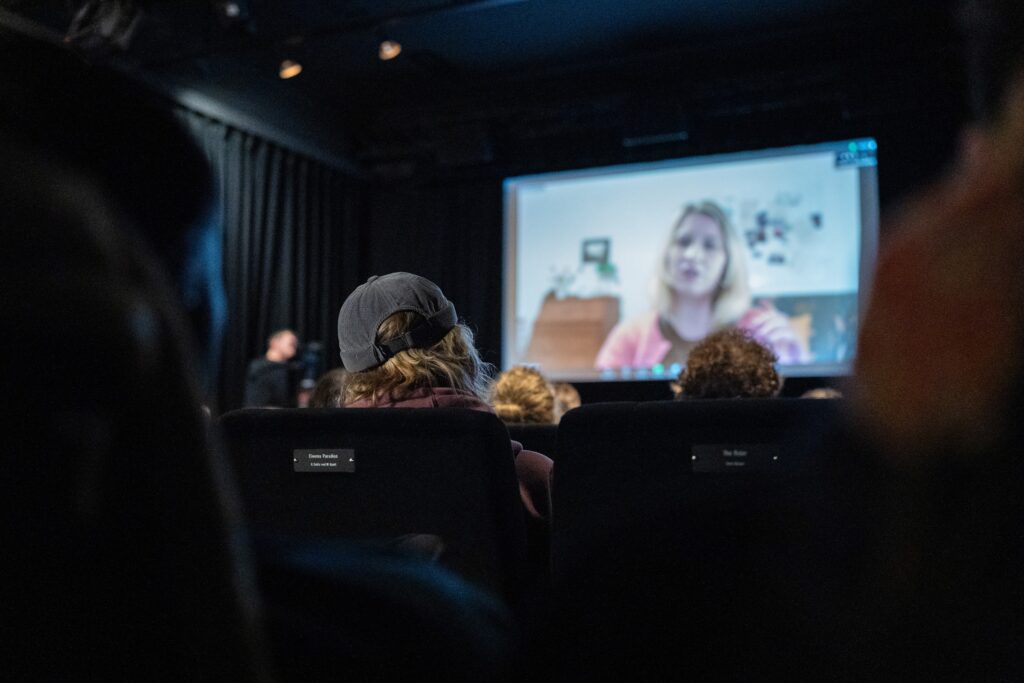
The grand finale on Saturday evening was the film “The Wolves Always Come at Night” by Gabrielle Brady about a nomadic family in Mongolia who are forced to give up their traditional pastoral lifestyle due to climate change and make a new start in the big city. After the film, the more than 80 visitors were able to ask questions to the film’s editor, Katharina Fiedler, who joined us through a video call.
Sunday, November 9
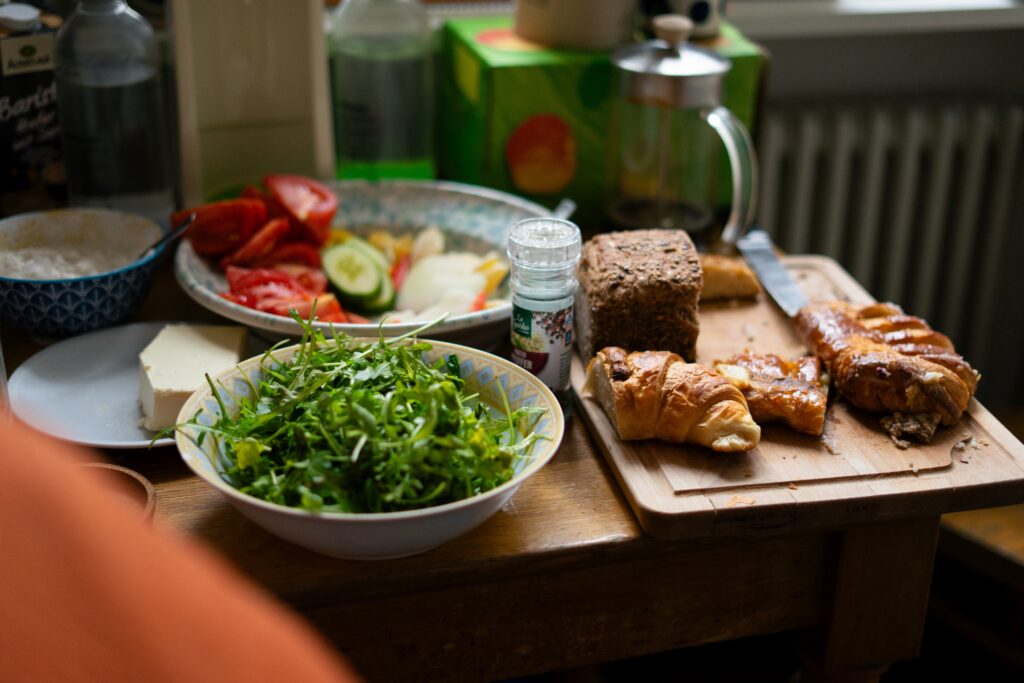
In keeping with the tradition of recent years, the last day of the festival began with a buffet made from rescued food. In keeping with the theme, this was followed by a screening of the film “Demain, la Vallée” by Jérôme Prudent on sustainable agriculture. The film was accompanied by a panel discussion with participants from Agronauten, Piluweri (who also provided catering for the team during the festival), Regionalwert AG, and Gartencoop Freiburg.
On Sunday afternoon, Pierre-François Didek’s film “Documerica, Self-Portrait of a Nation on the Brink” painted a moving but also disturbing picture of the long history of environmental destruction in the USA. The shocking extent of human environmental destruction was also evident in the film “Bottlemen” by Nemanja Vojinović, which documents the lives of bottle collectors at Europe’s largest landfill site in Serbia.
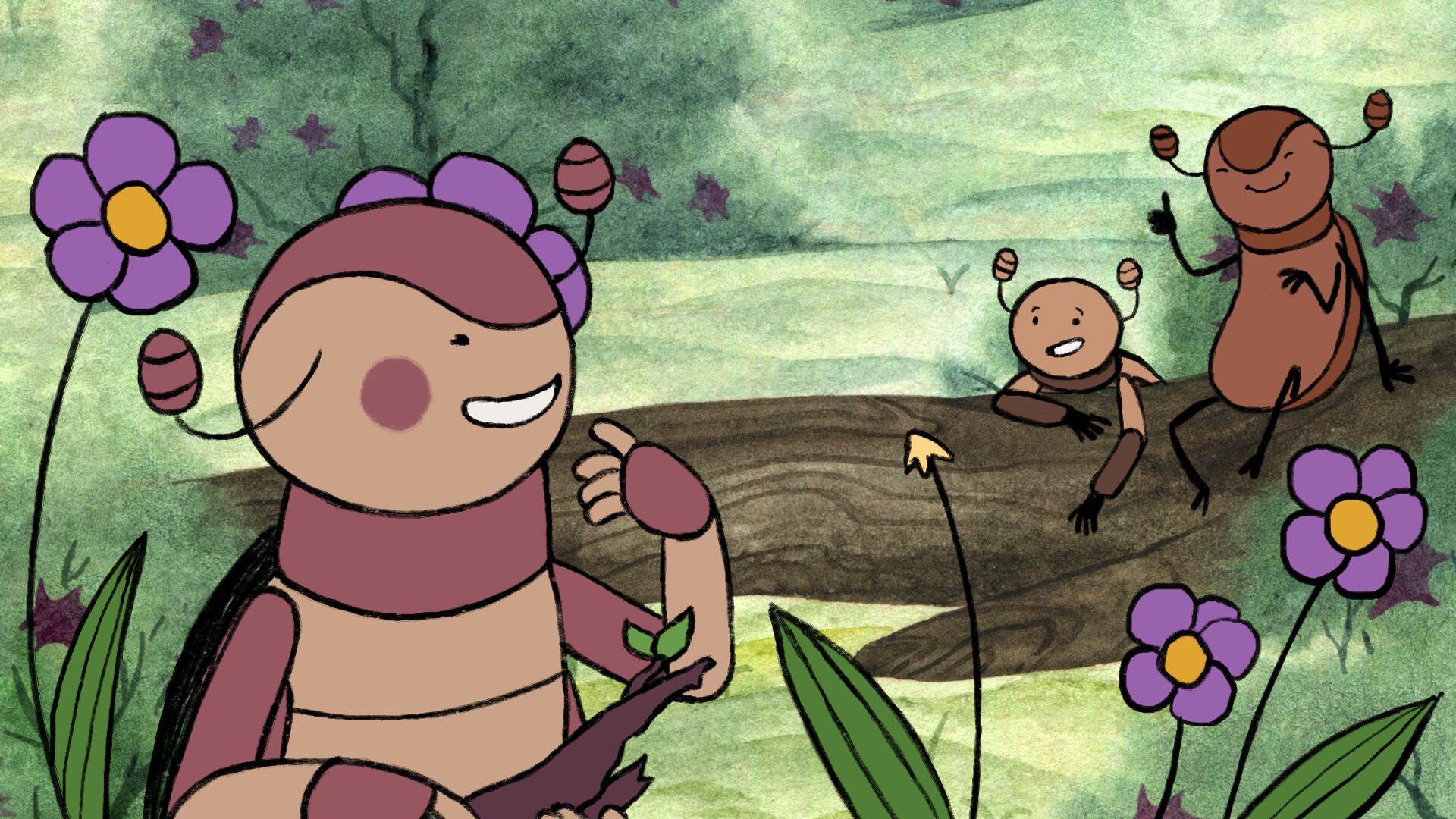
The kids’ program also ran for the second time on Sunday afternoon. The majority of young visitors to the two sessions on Saturday and Sunday voted Eva Matejovičova’s film “Writing Home,” about the life of a bark beetle girl, as the winner of the Sparkasse Freiburg – Nördlicher Breisgau Kids’ Award. Congratulations!
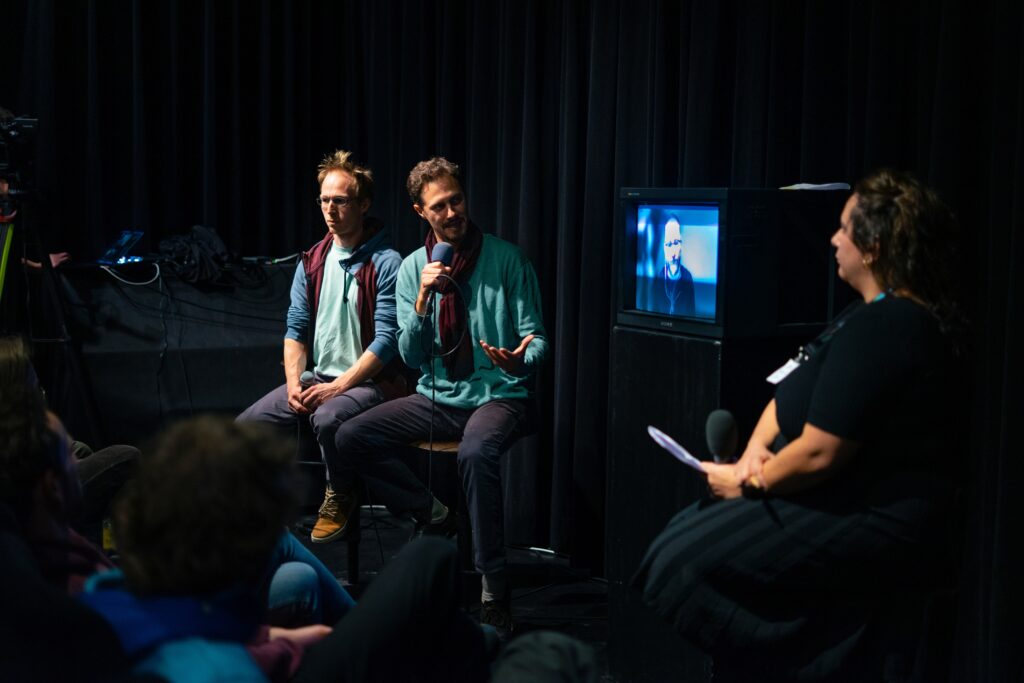
The last feature film of the 2025 festival was once again related to our special topic: Martin H. Oetting’s film “Purpose” follows two economists in their fight for a fundamentally new economic system beyond the pressure to grow and the throwaway mentality. The film was followed by a panel discussion with the director (online), Niklas Mischowski from the ICLEI city alliance, and Benedikt Schmid from the University of Freiburg.
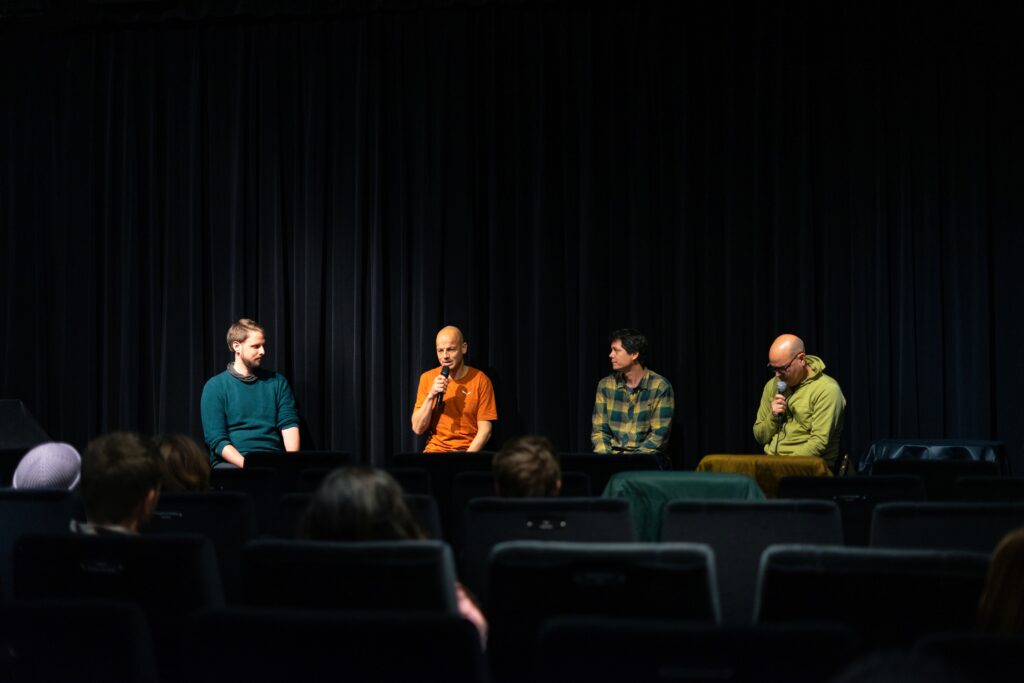
As every year, the legendary short film competition and subsequent award ceremony on Sunday evening provided the grand finale to the festival. From the seven short films shown, our short film jury selected Frédéric Doazan’s film “Picus” as the winner and presented it with the prize sponsored by the Alfred Toepfer Foundation. Congratulations!
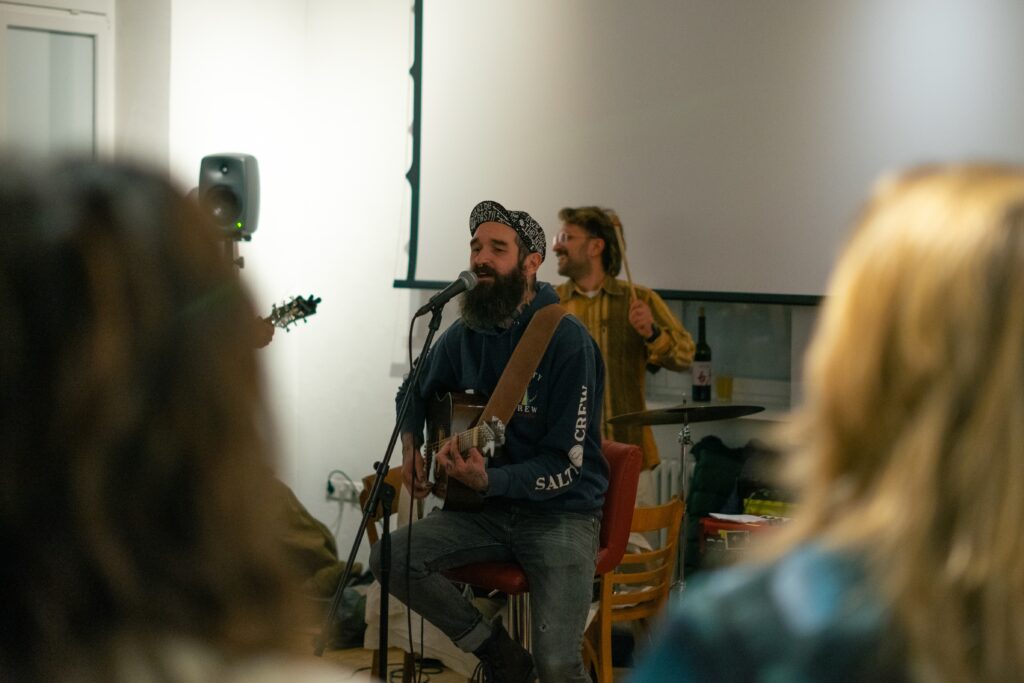
To bring the festival to a close together, the Greenmotions organizing team invited everyone to an afterparty in the gallery of Kommunales Kino after the award ceremony, with music from the Freiburg band Cosmic Mints and sparkling wine and wine sponsored by Weingut Andreas Dilger.
Manage Consent
To provide the best experiences, we use technologies like cookies to store and/or access device information. Consenting to these technologies will allow us to process data such as browsing behavior or unique IDs on this site. Not consenting or withdrawing consent, may adversely affect certain features and functions.
Functional
Always active
The technical storage or access is strictly necessary for the legitimate purpose of enabling the use of a specific service explicitly requested by the subscriber or user, or for the sole purpose of carrying out the transmission of a communication over an electronic communications network.
Preferences
The technical storage or access is necessary for the legitimate purpose of storing preferences that are not requested by the subscriber or user.
Statistics
The technical storage or access that is used exclusively for statistical purposes.The technical storage or access that is used exclusively for anonymous statistical purposes. Without a subpoena, voluntary compliance on the part of your Internet Service Provider, or additional records from a third party, information stored or retrieved for this purpose alone cannot usually be used to identify you.
Marketing
The technical storage or access is required to create user profiles to send advertising, or to track the user on a website or across several websites for similar marketing purposes.