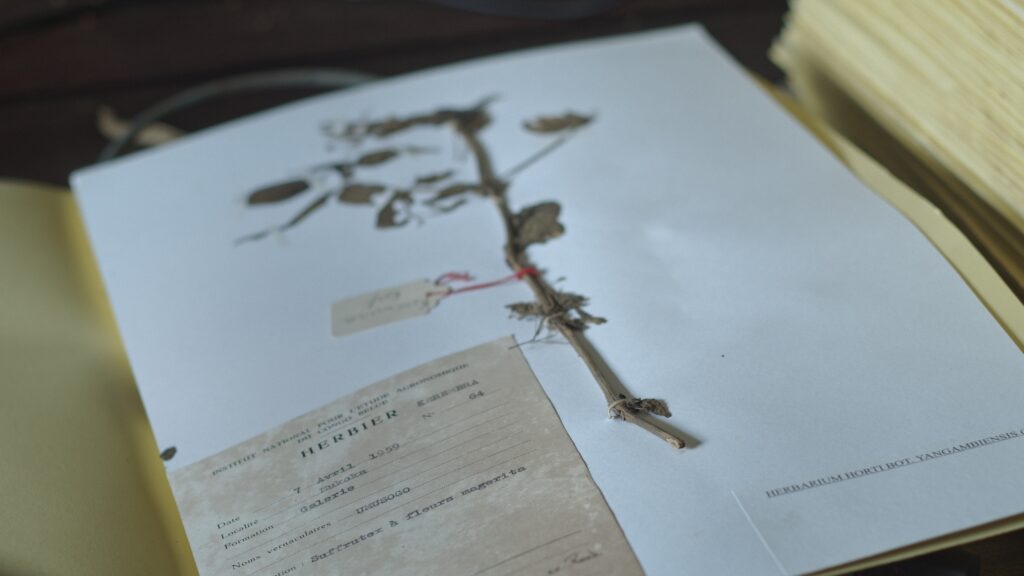
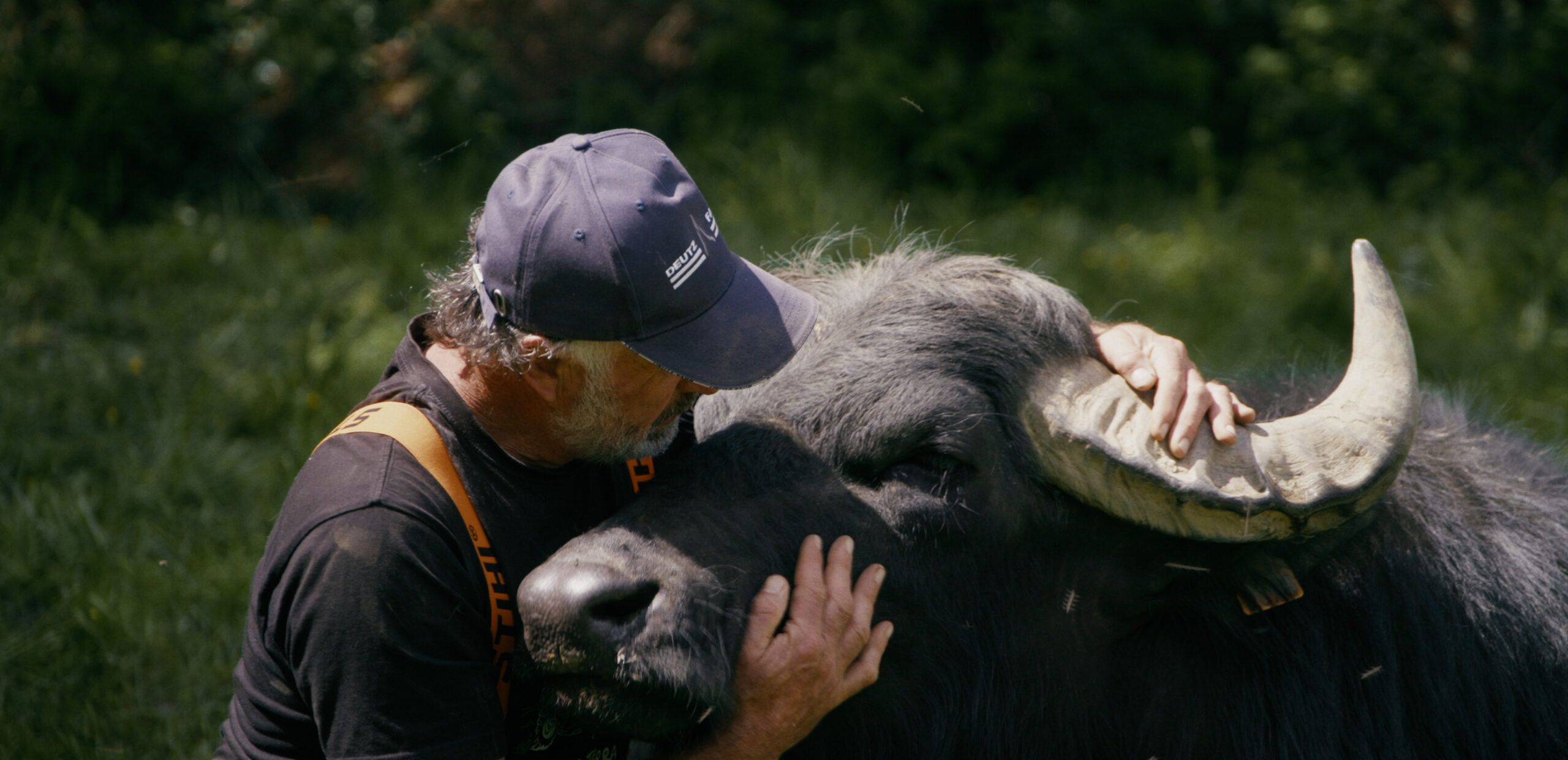
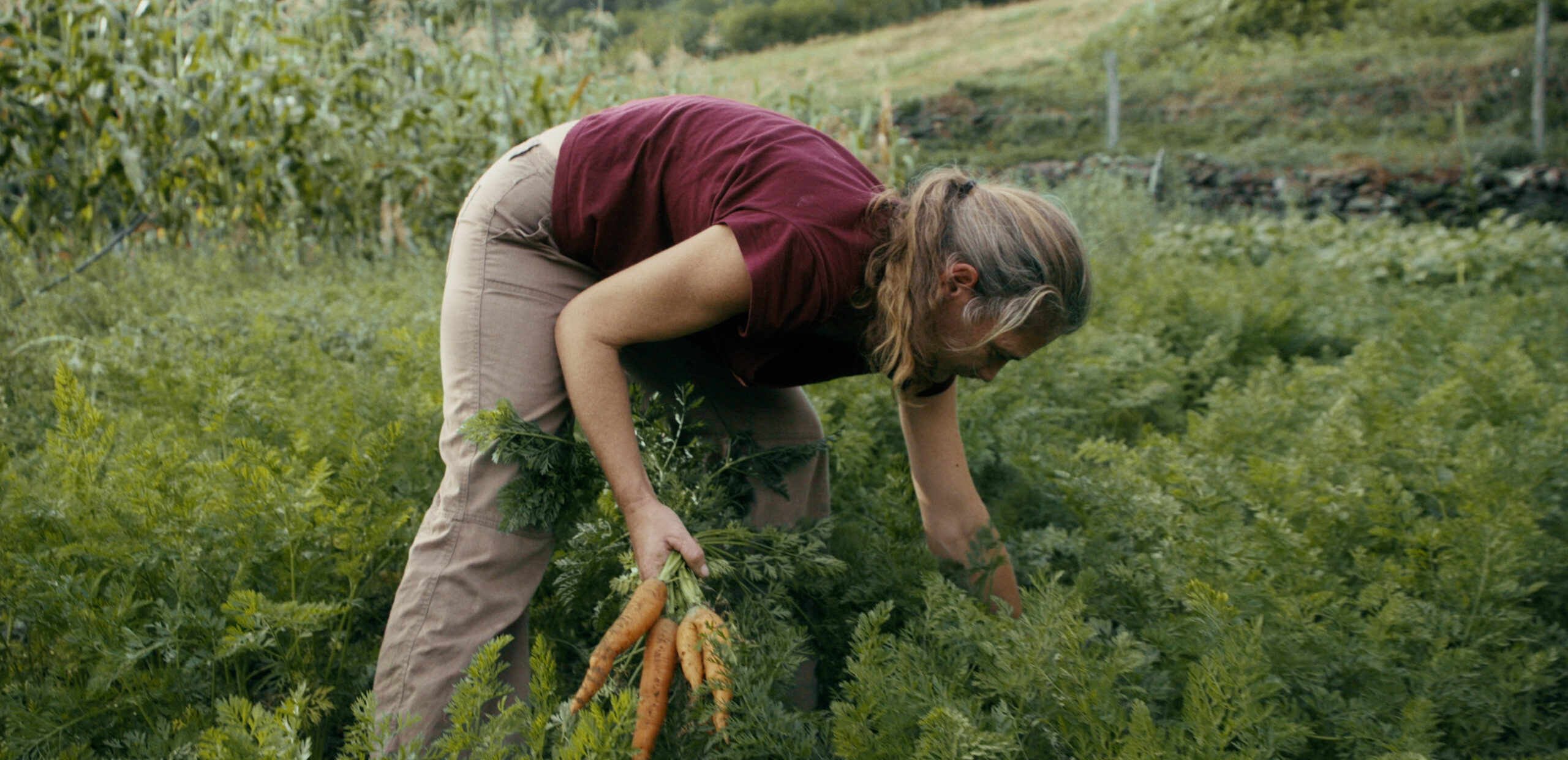
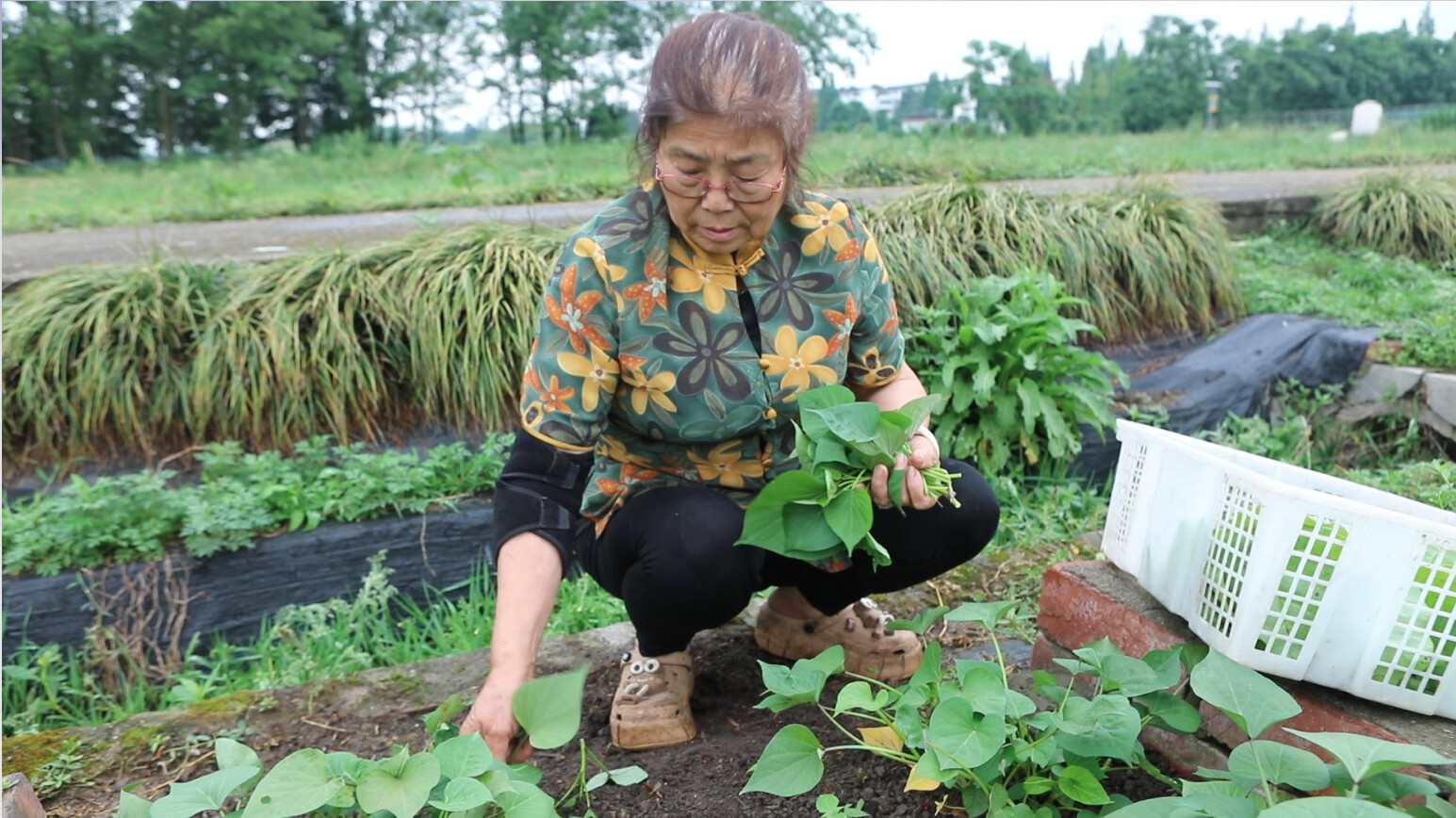
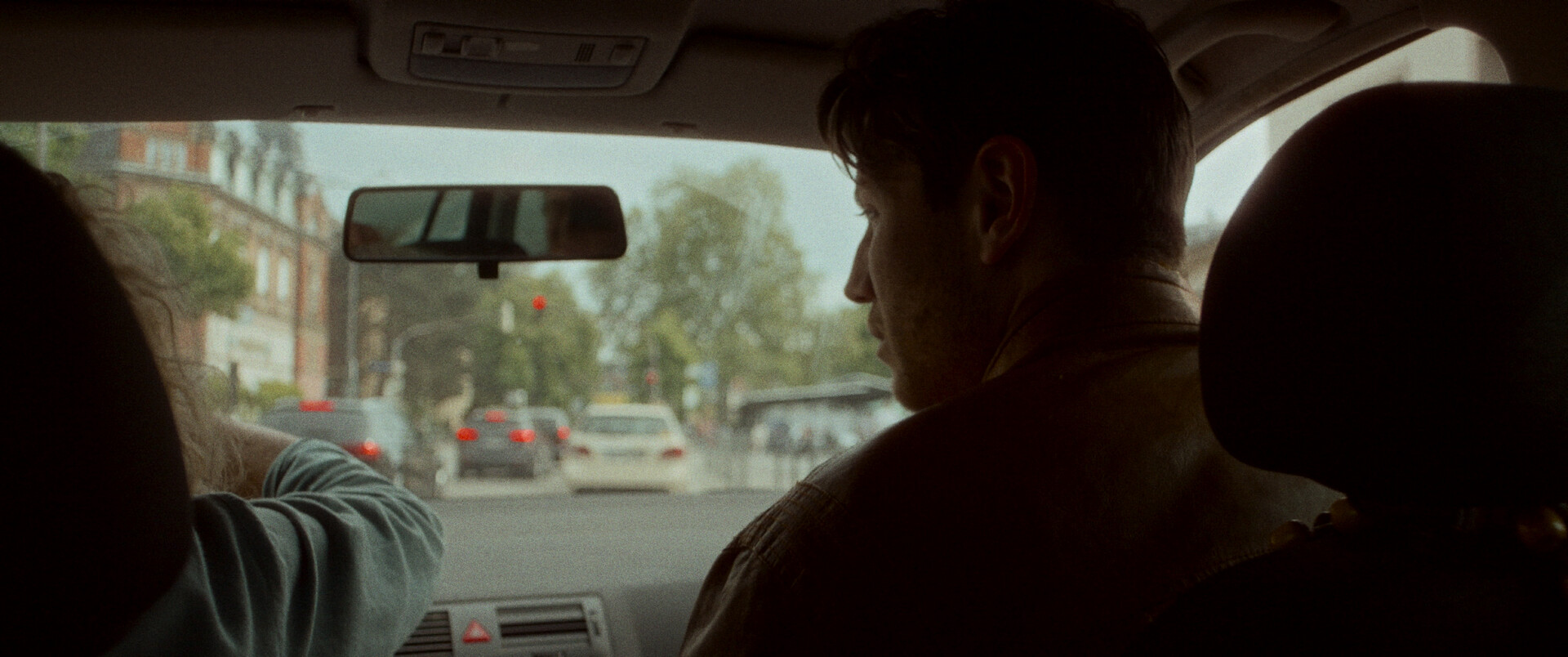
The submission period for the Greenmotions Filmfestival 2026 has officially begun. Participation is open to all. The festival welcomes films produced using any technique, including animation, documentary, drama, experimental or artistic films, and hybrid work, regardless of budget size.
We are looking for films for our four different categories:
– Short film – Kids & young audience short film – Feature film – Special Topic 2026 “RECOGNITION: Shining a Light on the Invisible”
The first three categories focus on the general environmental and sustainability themes.
With this year’s Special Topic, “Recognition: Shining a Light on the Invisible”, the Greenmotions Filmfestival focuses on people and realities that often remain unseen – even though they sustain our societies and our shared wellbeing.
From unpaid care workers to marginalized communities, we highlight stories of struggle, resilience, and dignity. We explore who is recognized, who is overlooked, and why – and how systems of power and inequality contribute to invisibility. By giving space to unheard voices, we aim to foster empathy, critical reflection, and solidarity – and to inspire action toward a more just, inclusive, and sustainable world. A more detailed description of our special topic can be found here.
You can submit your movie via Filmfreeway. The submission period is open until April 16. 2026. You can check out our terms and conditionshere. We are looking forward of all the exciting and wonderful submissions for this year’s festival.
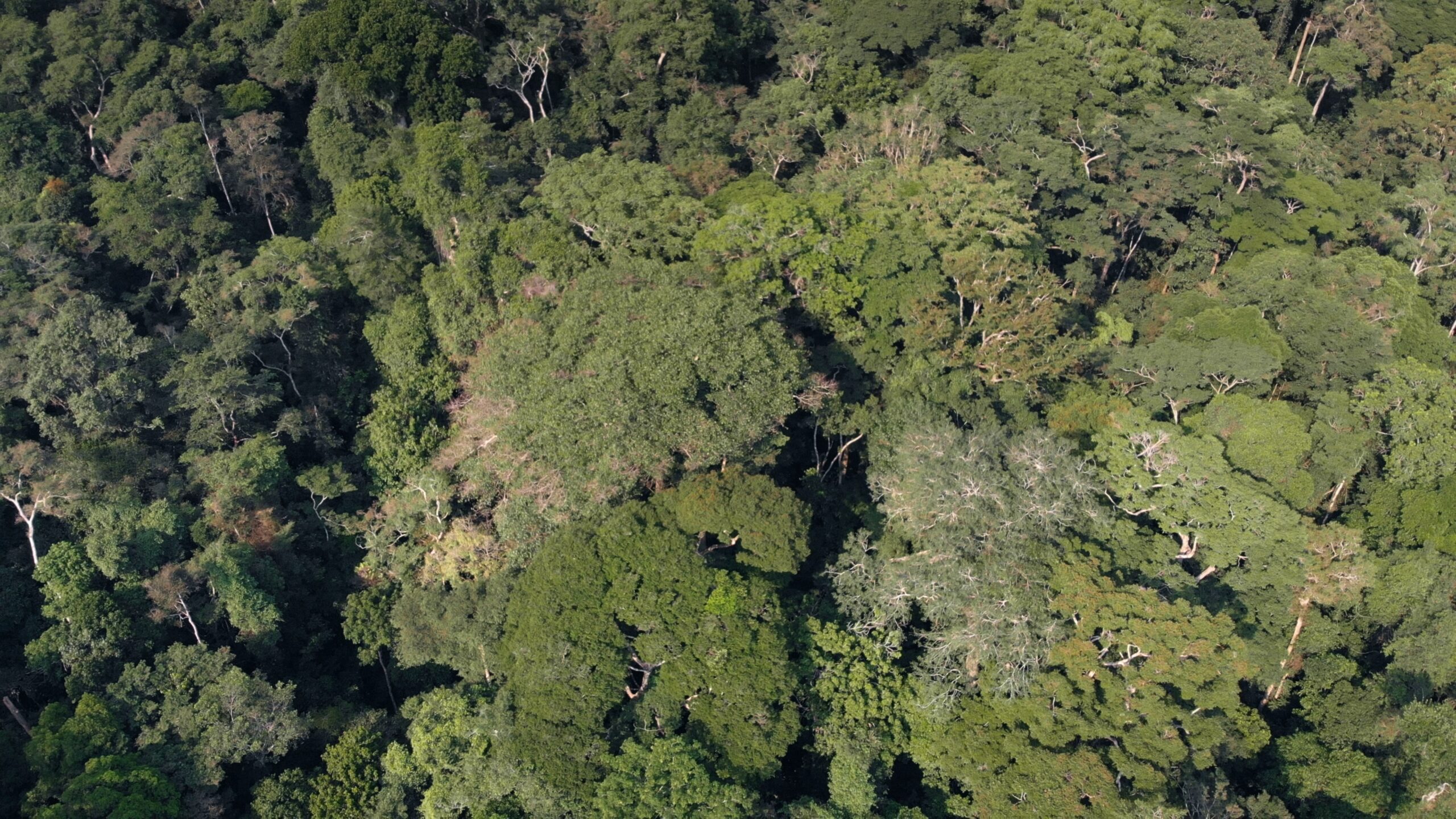
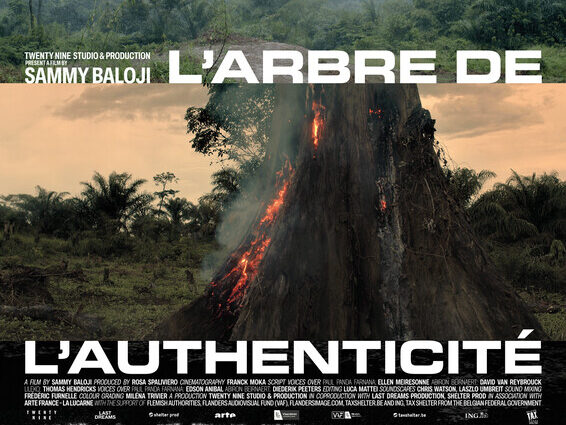
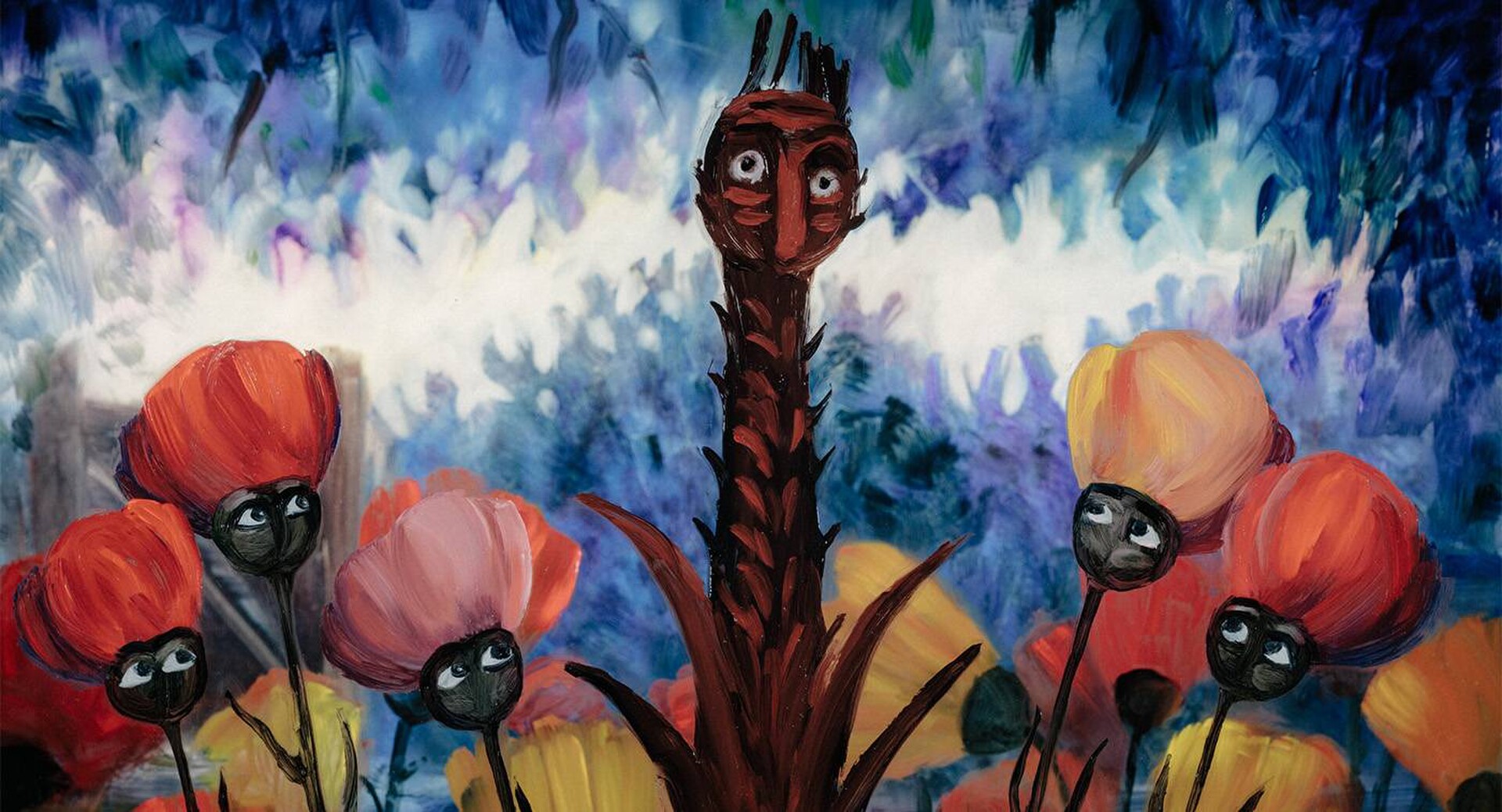
(Still from “L’Arbre de l’Authenticité”, Winner of the special topic prize in 2025 by Sammy Baloji)
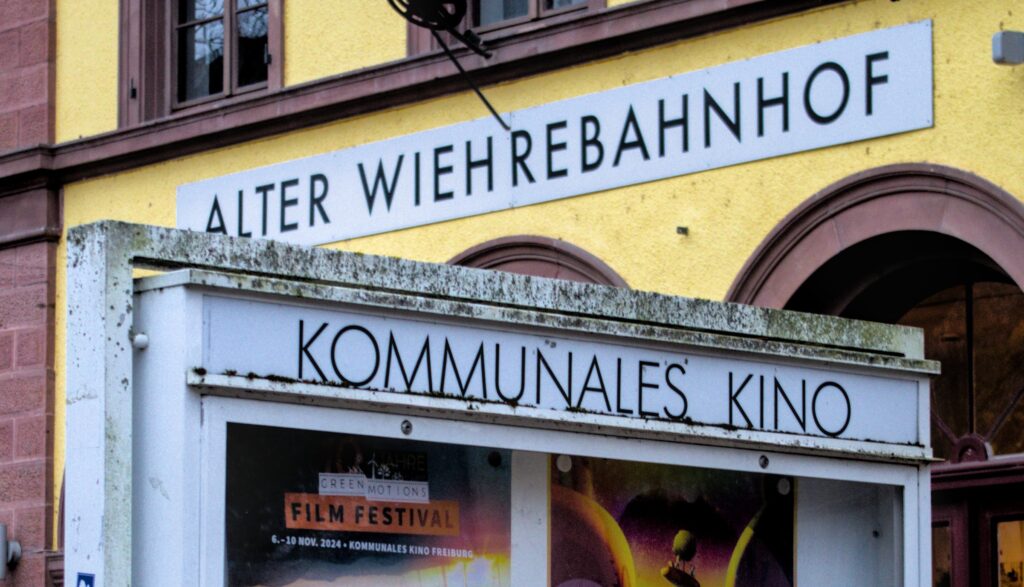
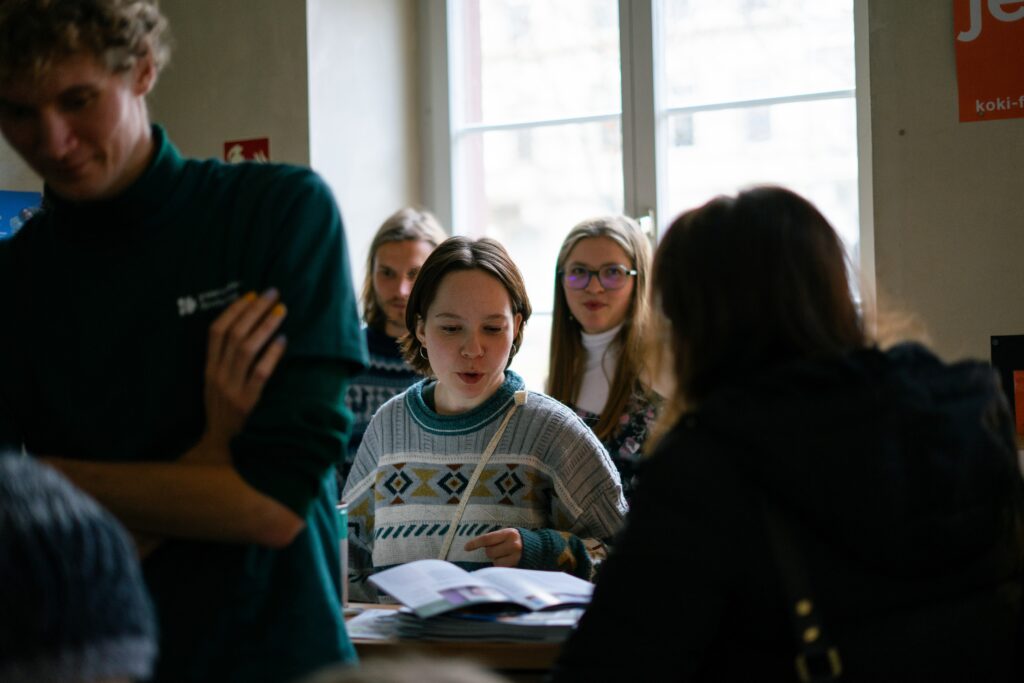
As in (almost) every year since 2014, the Greenmotions Filmfestival once again opened its doors to cinema and sustainability enthusiasts at Kommunales Kino at Alter Wiehrebahnhof from November 5th to 9th, 2025. This year, we have once again chosen a special topic to which we devoted particular attention in part of our program: “Closing the loop: living within Planetary Boundaries” addresses the question of how wasteful, linear lifestyles and economic practices can be overcome and replaced by circular lifestyles that enable a good life for everyone on a planet with finite resources.
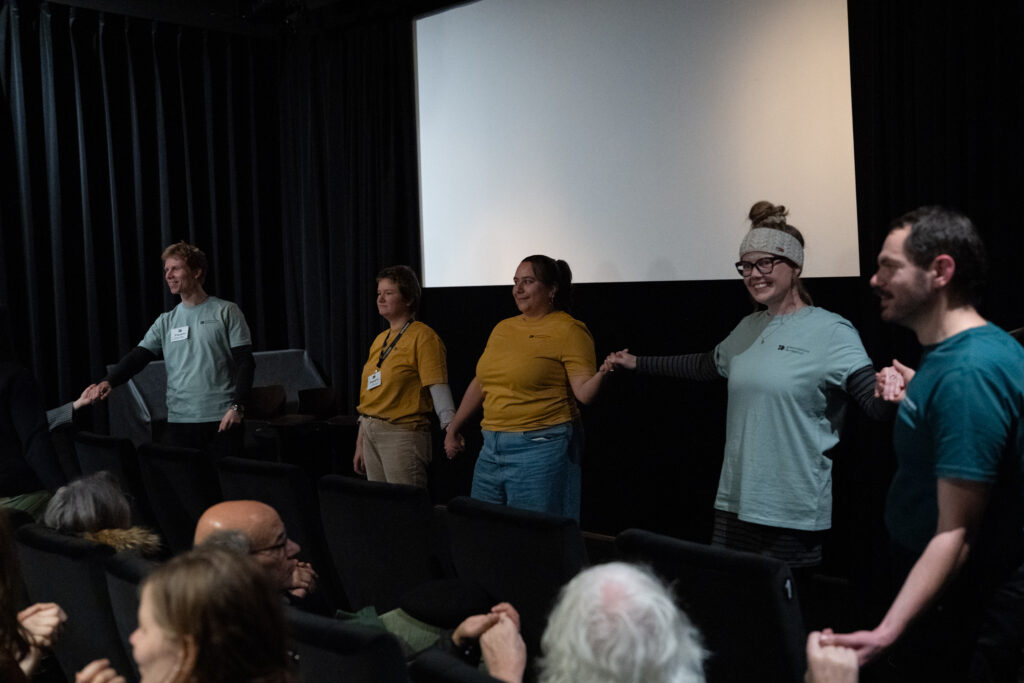
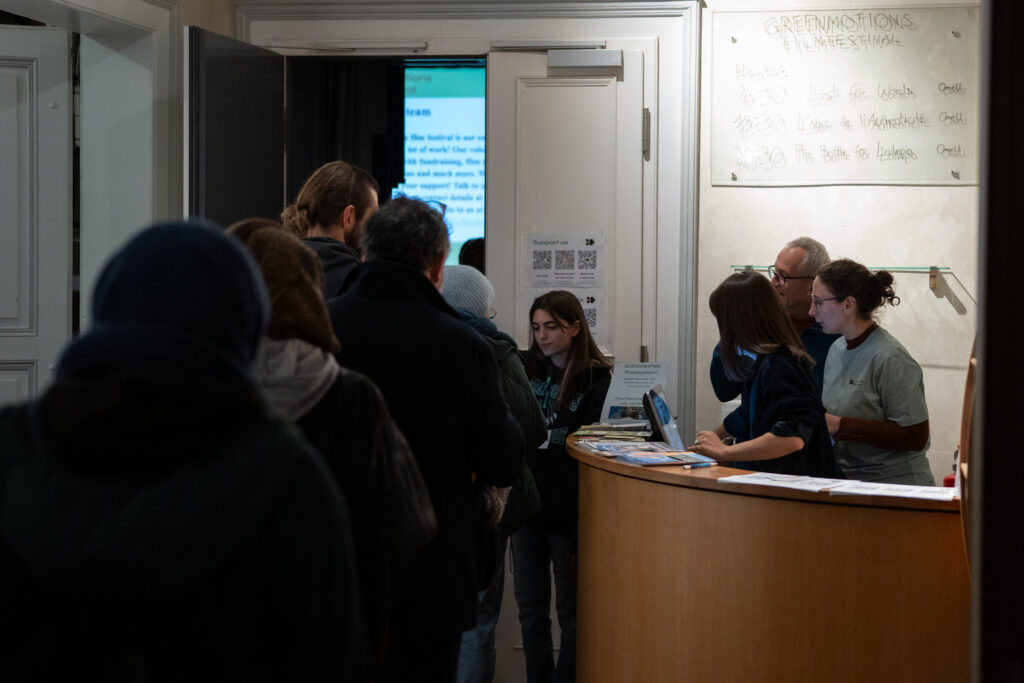
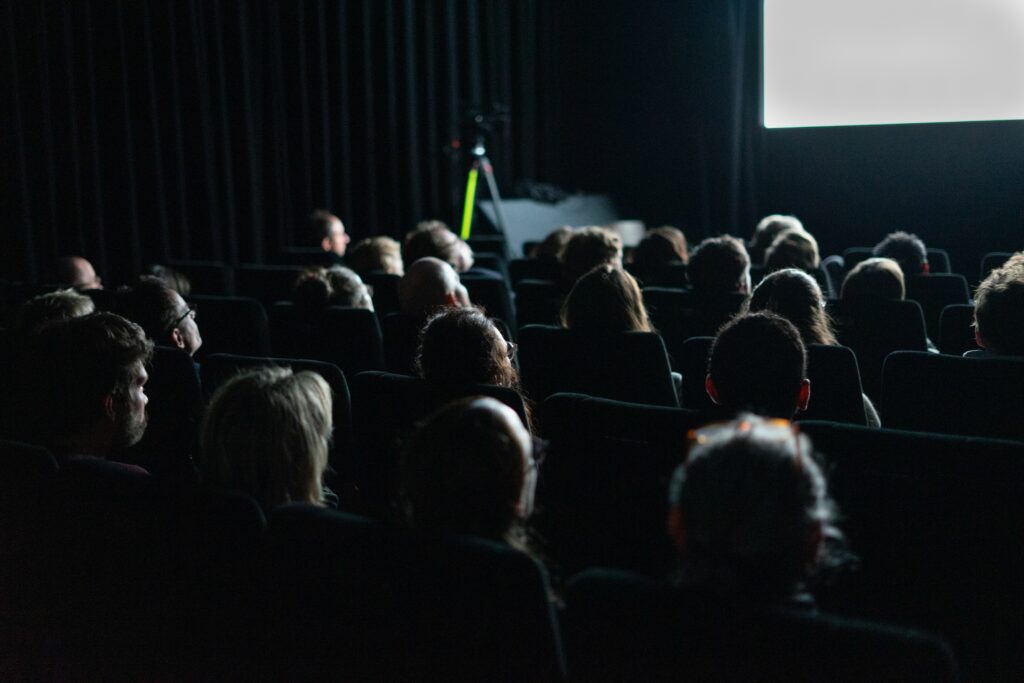
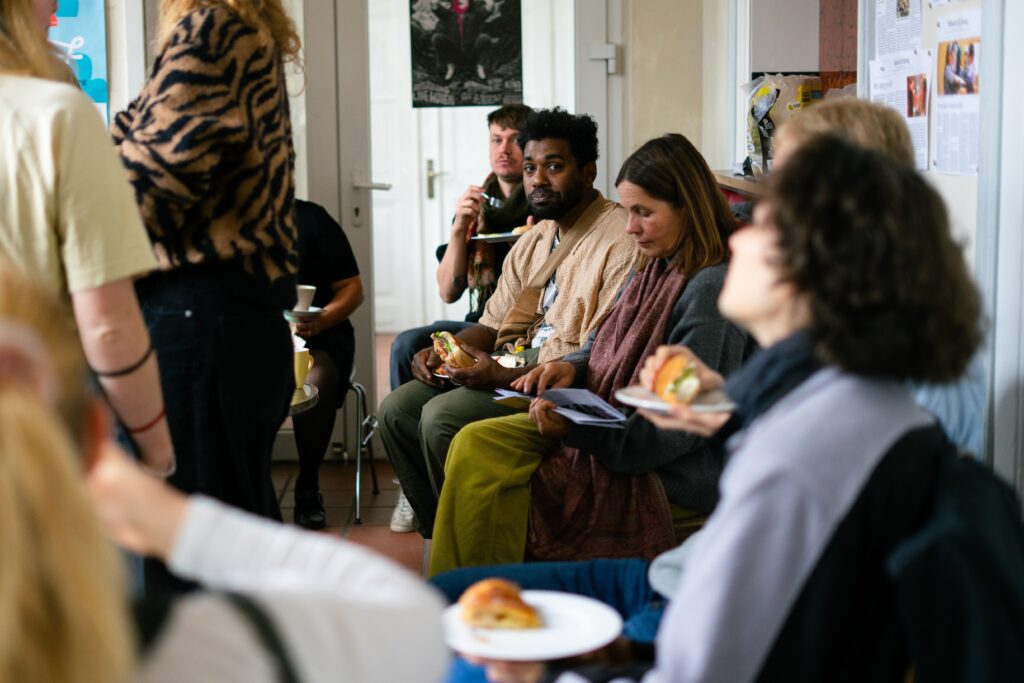
With over 900 visitors over five days, numerous sold-out events, and a diverse film program, the festival was a resounding success. Thank you all for coming out in such large numbers, and thank you to all our sponsors and partners who made the festival possible. In this blog post, we would like to look back with you on the highlights of the last few days:
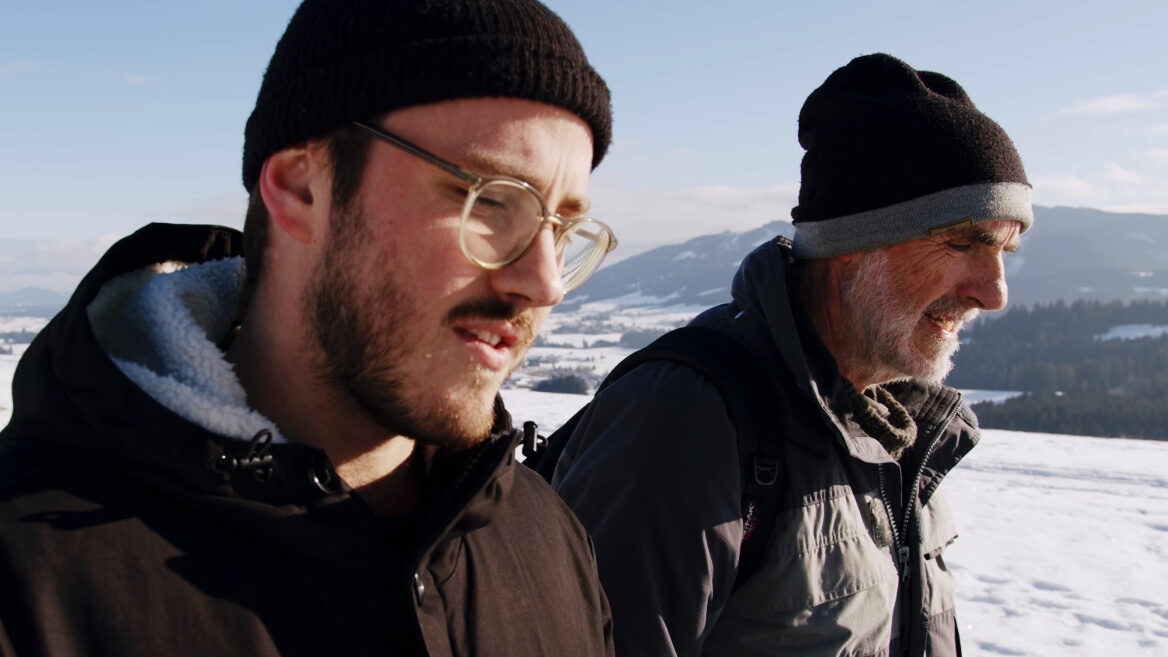
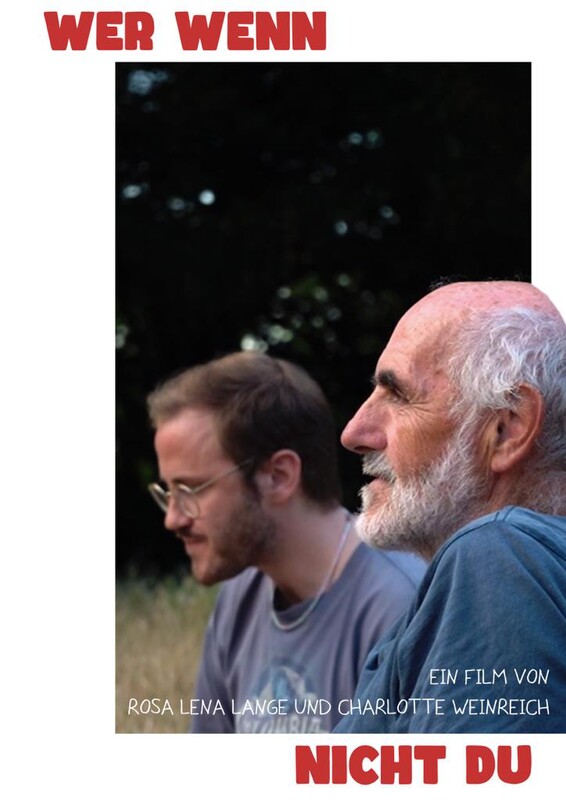
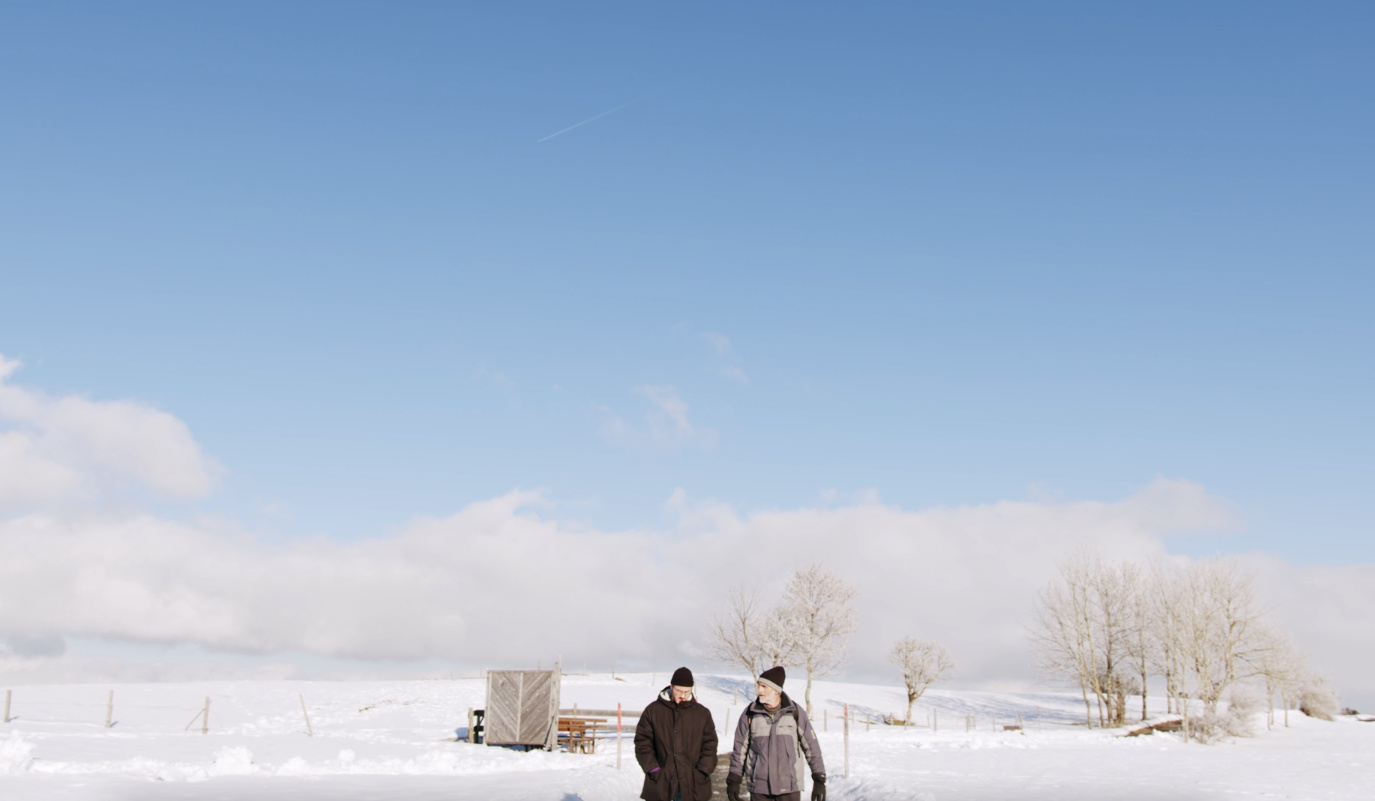
(Still from “wer wenn nicht du” winner of the audience award by Rosa-Lena Lange and Charlotte Weinreich)
Wednesday, November 5
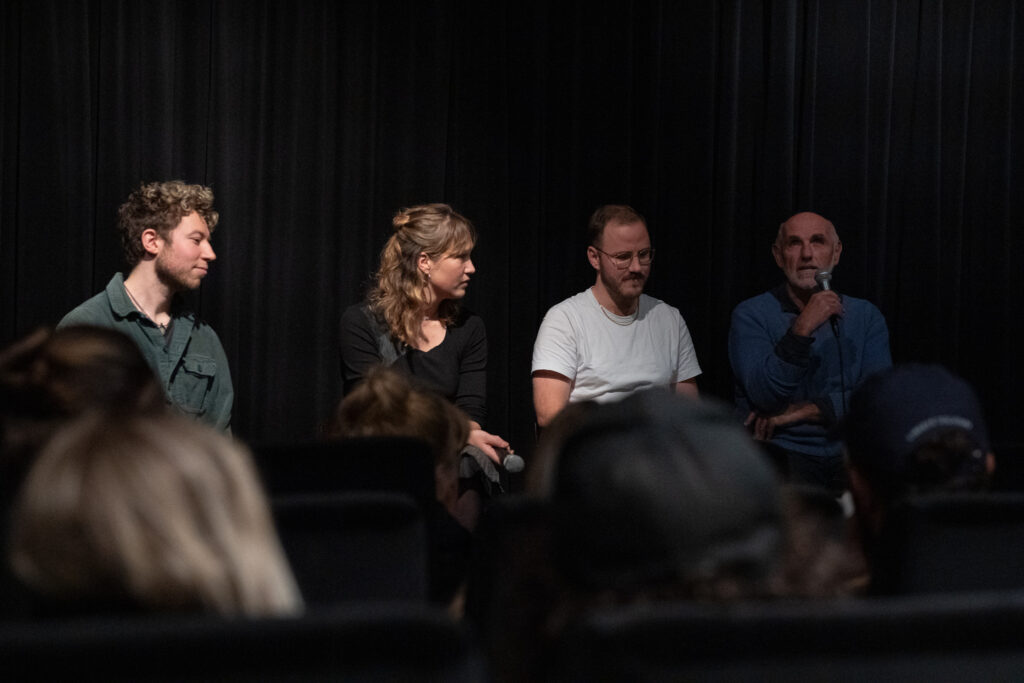
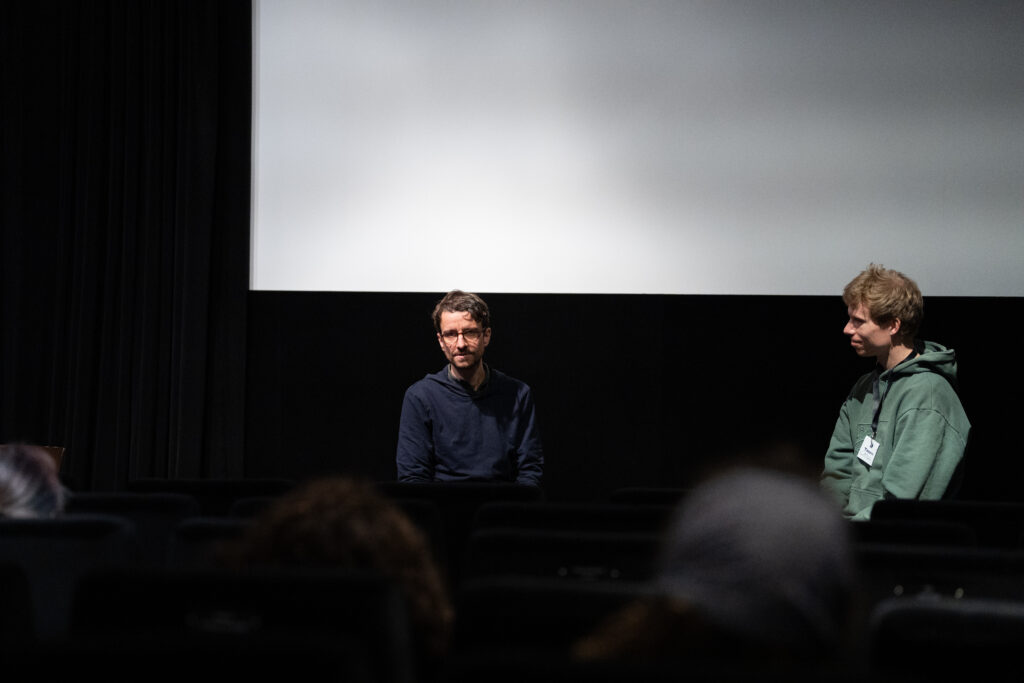
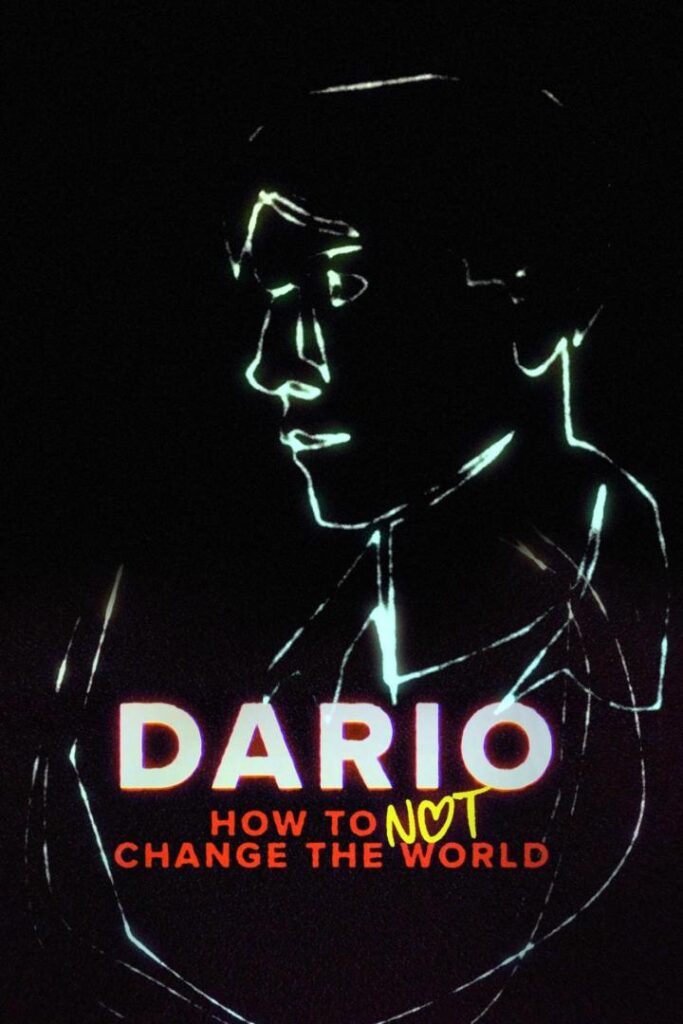
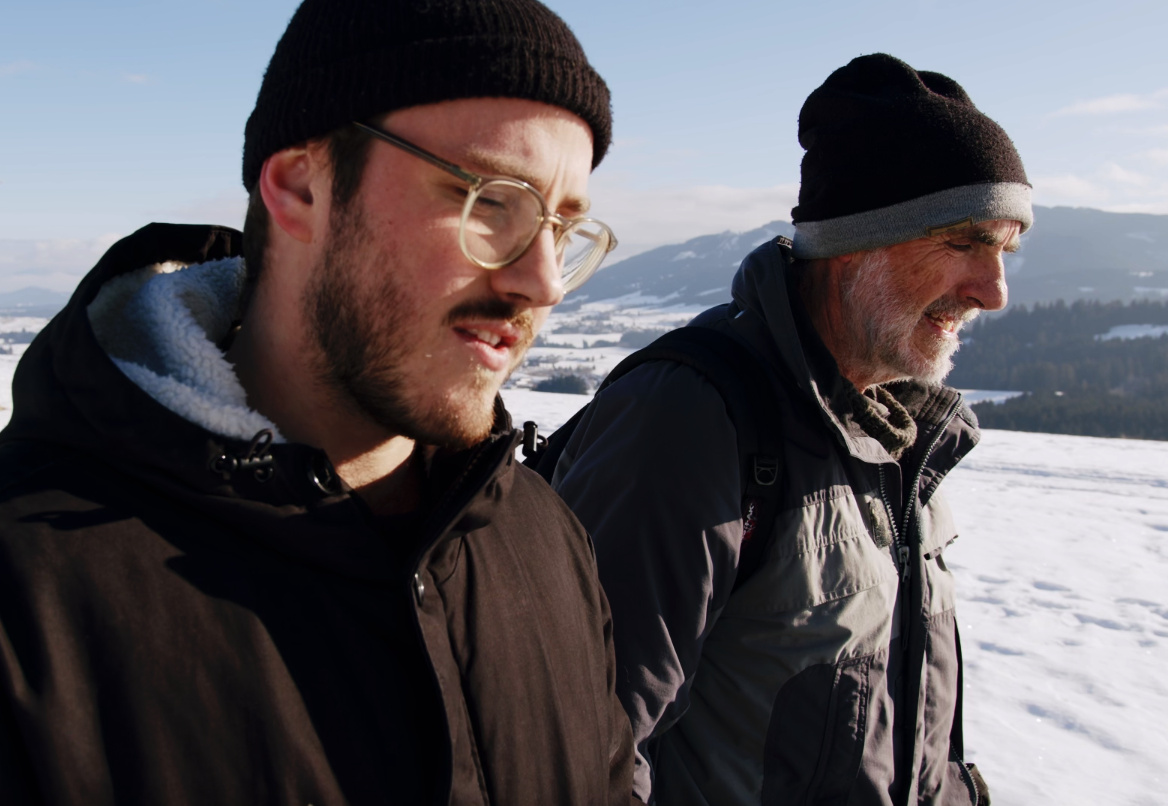
Right from the first day, there was a lot going on at Kommunales Kino: over 70 people came to watch the film “wer wenn nicht du” (who if not you) by Charlotte Weinreich and Rosa-Lena Lange, as well as the short film “DARIO – How to (not) change the world” by Christian Belz, which deals with the question of what kind of activism is legitimate and promising in times of the escalating climate crisis. The film was followed by an exciting discussion with Charlotte and Christian, as well as Jannis Niethammer and Karl Braig, the two protagonists from “wer wenn nicht du.” This film was so well received by the audience that it was immediately voted the winner of the audience award at the end of the festival. Congratulations!
Thursday, November 6
The second day of the festival began with Dominic Allen’s film “Planet Wind: The global story of Offshore Wind”. Despite the early hour, nearly 50 guests were in the cinema auditorium, following the film on its journey to offshore wind farms around the globe. After the film, there was an exciting Q&A session with Nelly Kirsch from the City of Freiburg’s Environmental Protection Agency on the expansion of renewable energies in general and wind energy in particular in Freiburg and the surrounding area.
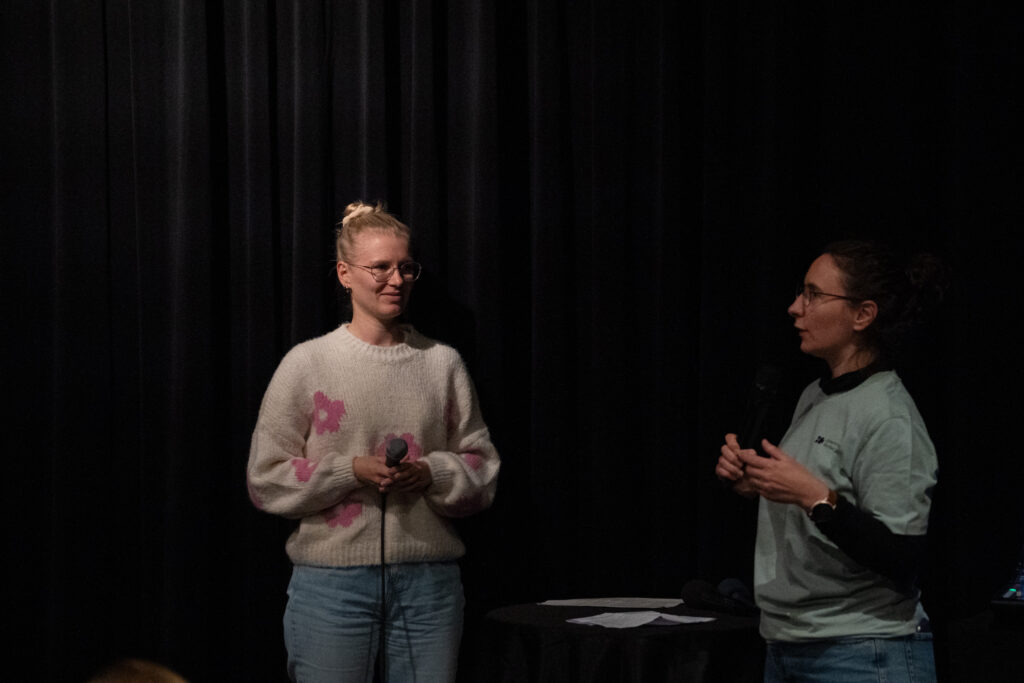
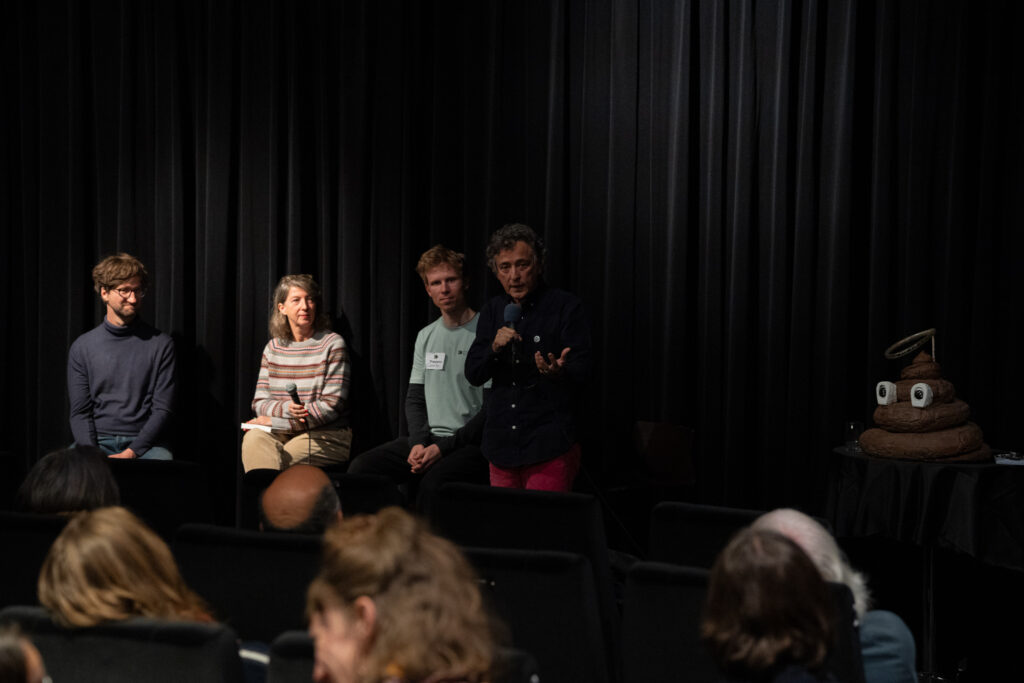
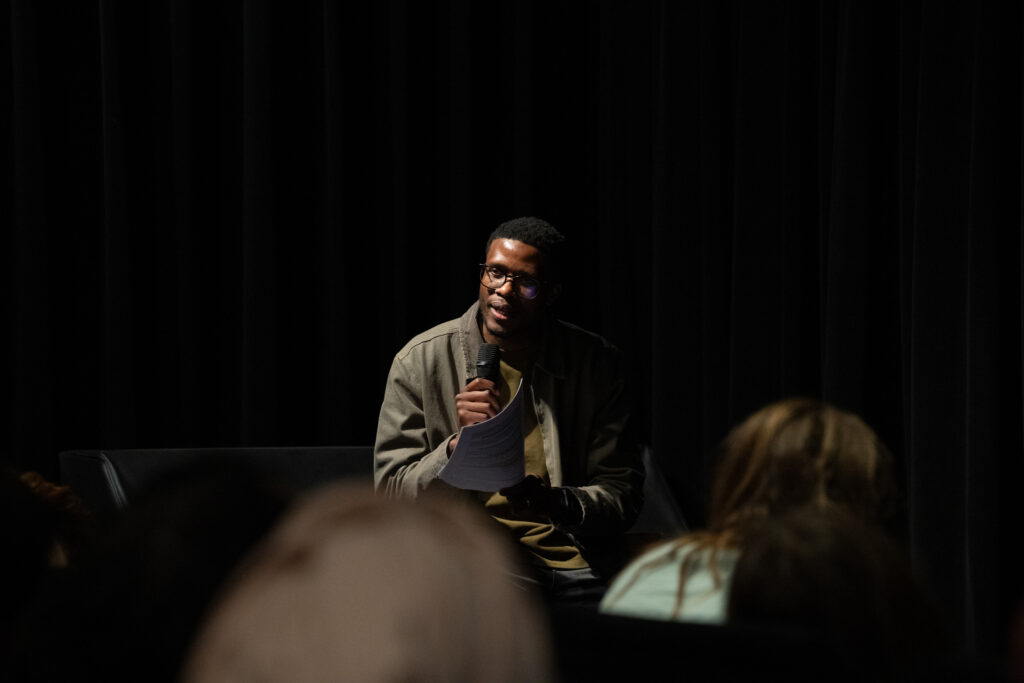
In the evening, the official opening ceremony of the festival took place as part of Rubén Abruña’s “Holy Shit”. Camillo and Carlotta from the organizing team guided the nearly 70 guests through the evening in the packed cinema. After the film, which was also the first item on the program for this year’s special topic, Rubén, Undine Löhfelm, publisher of the book accompanying the film, and Andreas Doerne from the Holistic Compost Lab in Sankt Peter were guests and shared exciting thoughts about how we deal with human waste and how we could use it as a resource.
Friday, November 7
With almost 170 guests, the festival really got going on the third day. The day opened with the film “Lost for Words”, a meditative collage by Hannah Papacek-Harper about our connection to nature and what the loss of wilderness means for us humans.
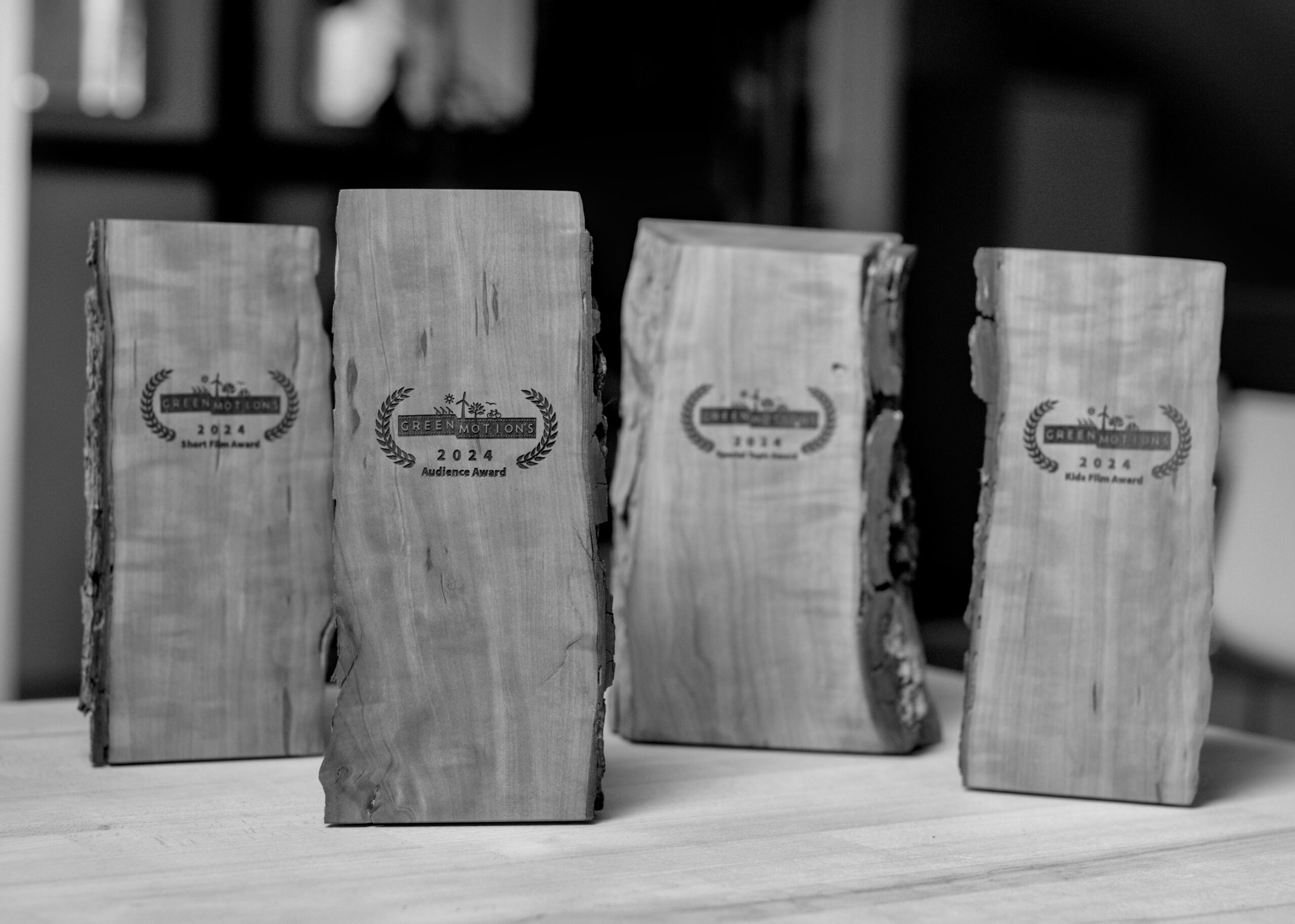
This was followed by another film from our special topic category: “l’Arbre de l’Authenticité” by Sammy Baloji, a poetic cinematic essay that gives a voice to the trees in the Congolese rainforest and thus takes a critical look at Belgium’s colonial past and the ecological significance of the DR Congo today. Our special topic jury had already decided in the run-up to the festival to award this year’s EWS-sponsored prize to l’Arbre de l’Authenticité. Congratulations!
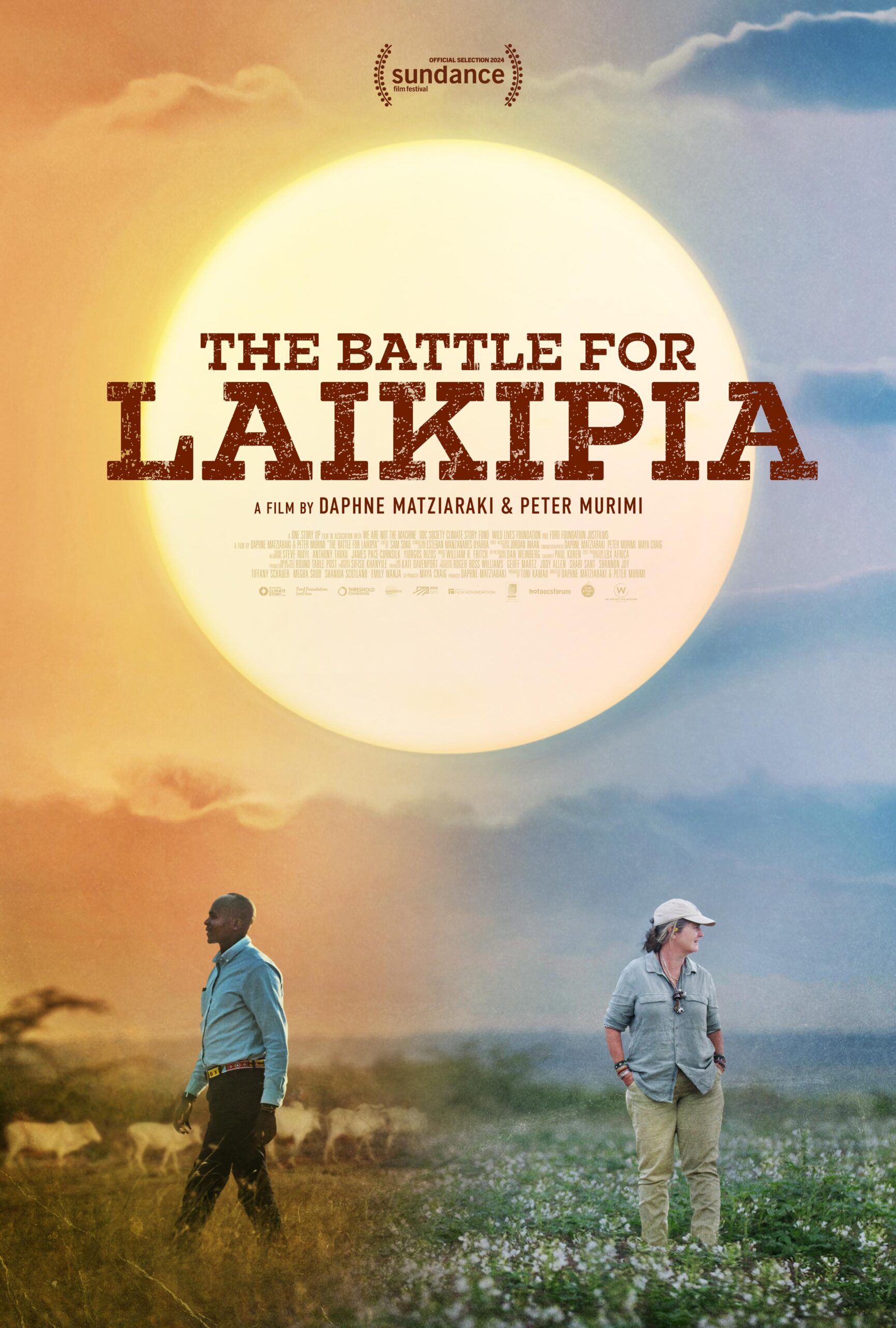
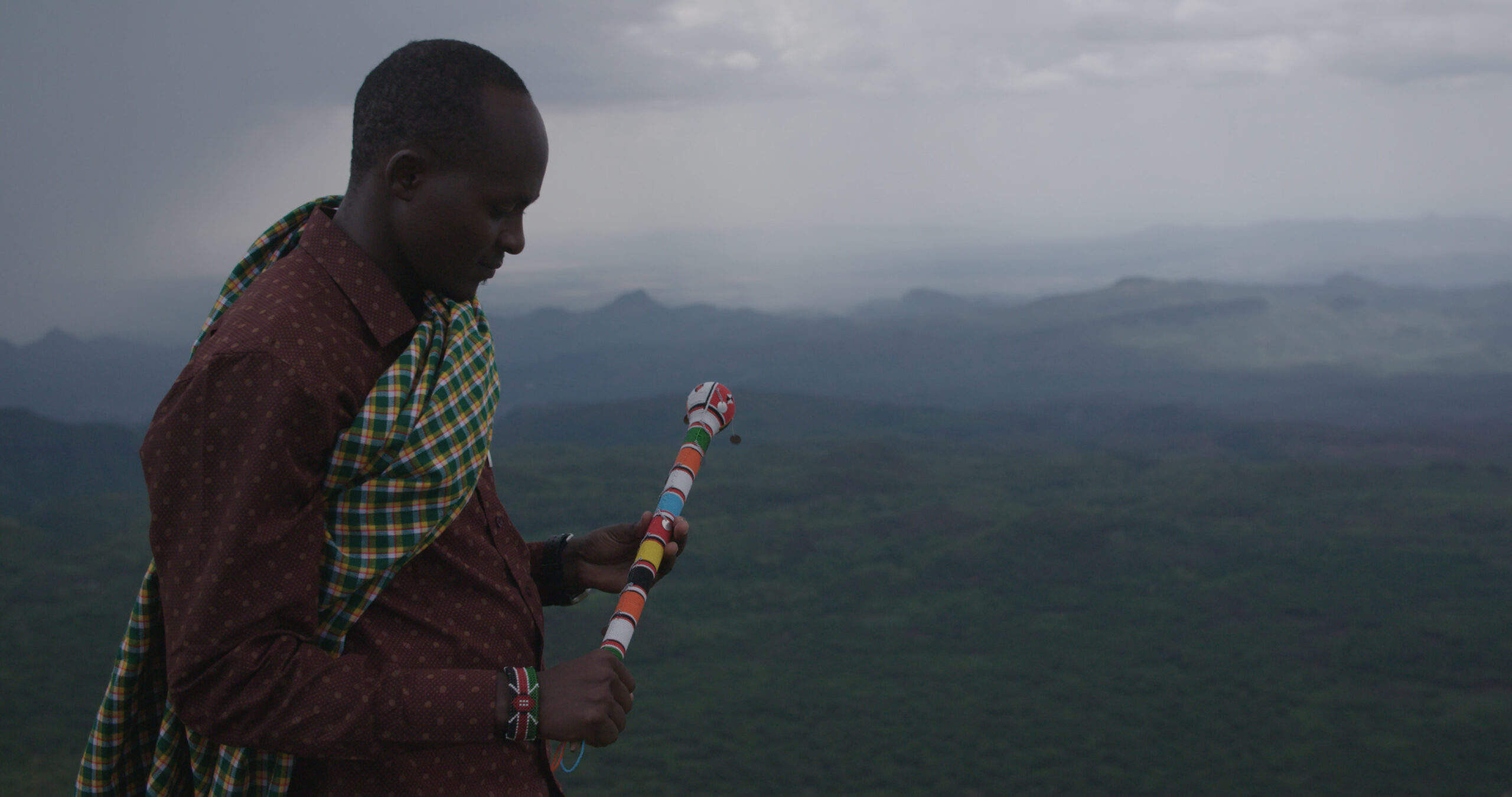
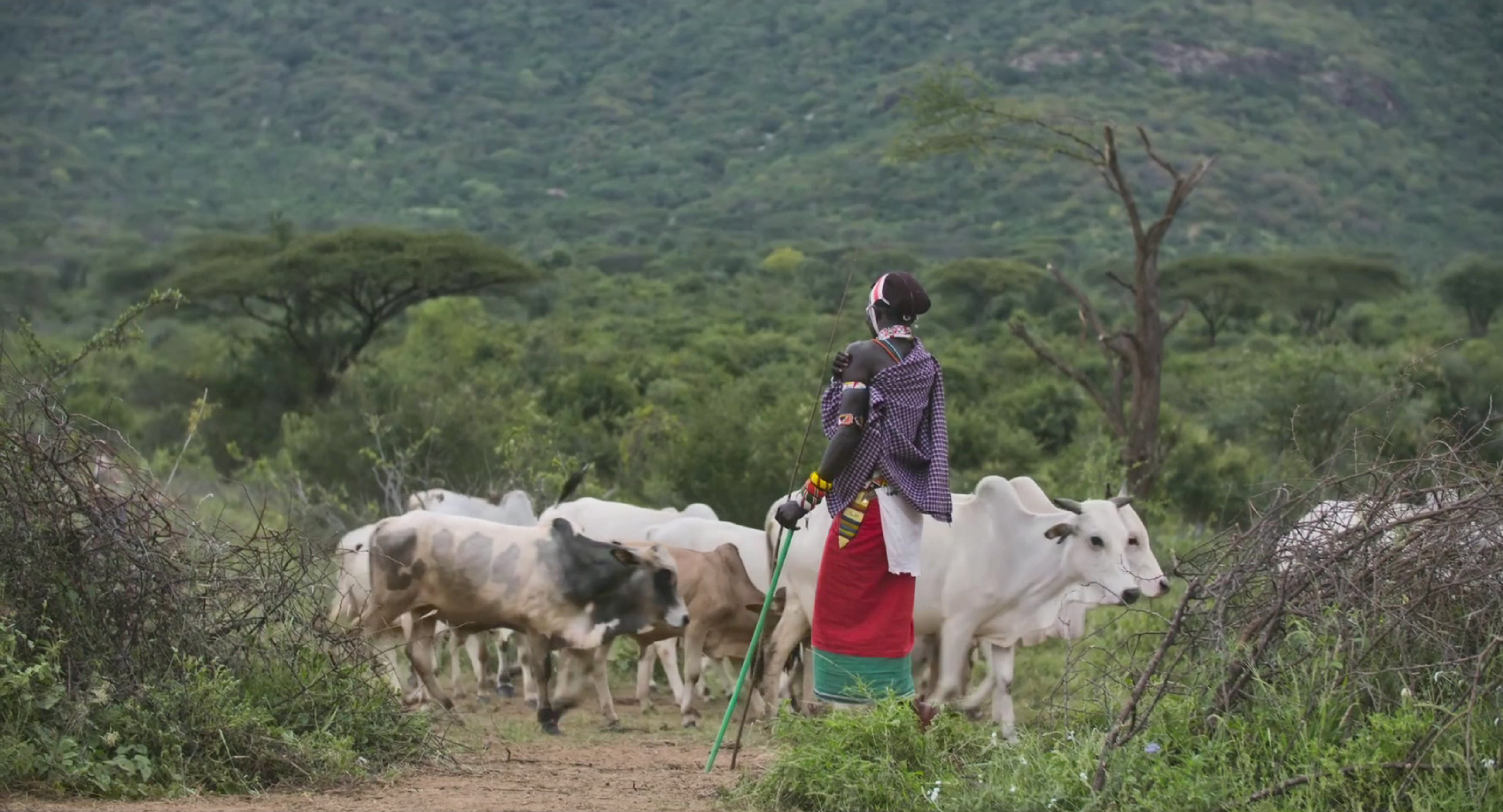
The evening concluded with the film “The Battle for Laikipia” by Daphne Matziaraki and Peter Murimi. The questions raised in the film (How does colonial heritage still determine land ownership in parts of Africa today? What potential for conflict does this hold, and how is it further exacerbated by the climate crisis?) were explored in greater depth after the film in a Q&A session with Edwin Mutyenyoka from the Arnold-Bergstraesser-Institute.
Saturday, November 8
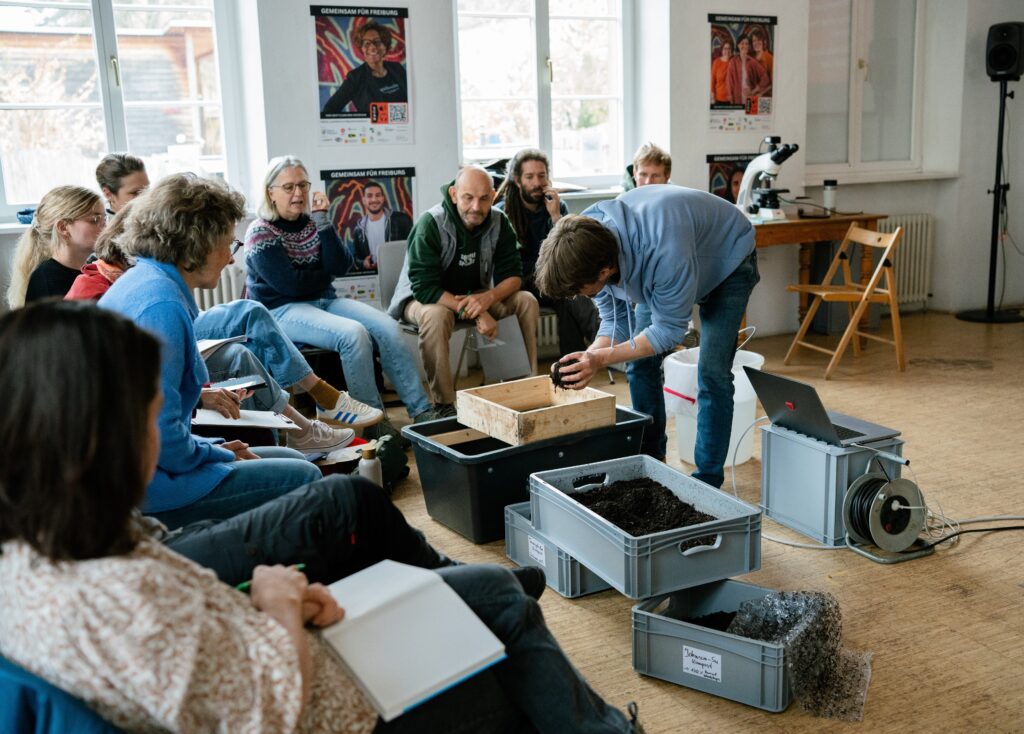
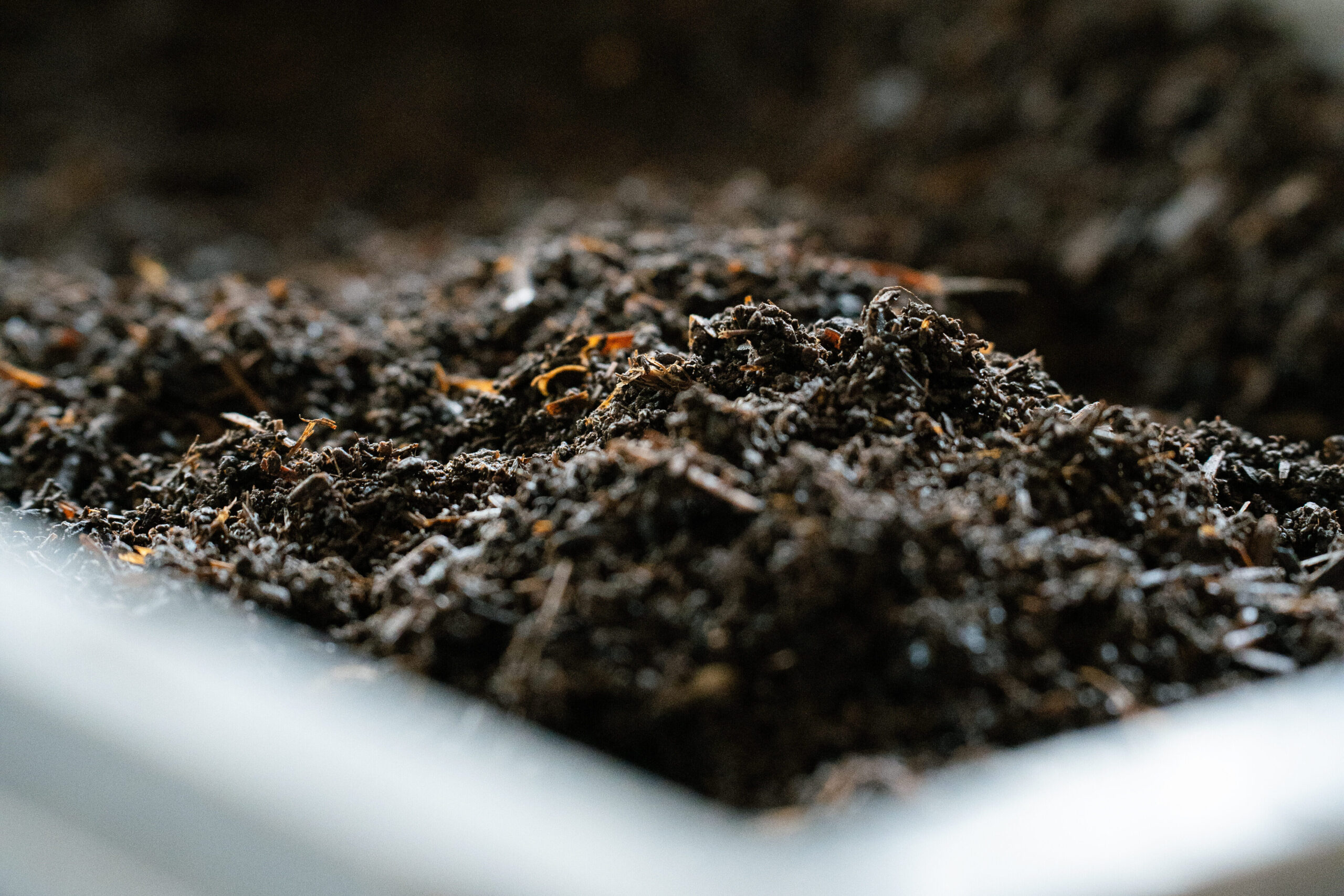
The fourth day of the festival began much earlier than the previous ones, as it was the weekend, with an interactive program item: In a three-hour workshop, Andreas Doerne from Holistic Compost Lab, who had already enriched the panel discussion on Thursday with his expertise, introduced the 15 participants to the fine art of composting.
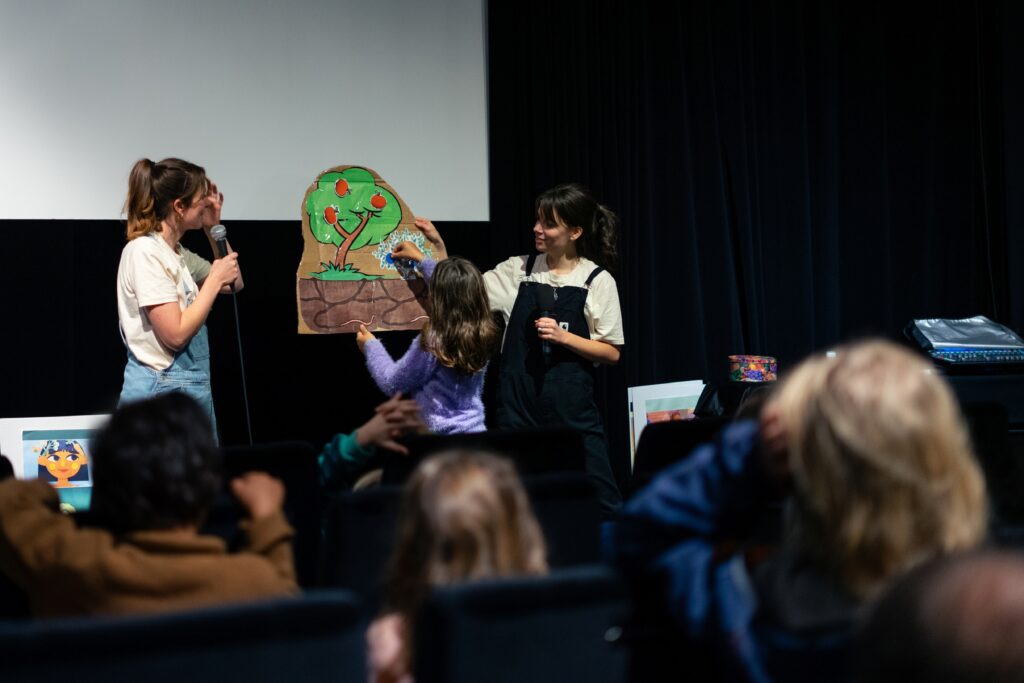
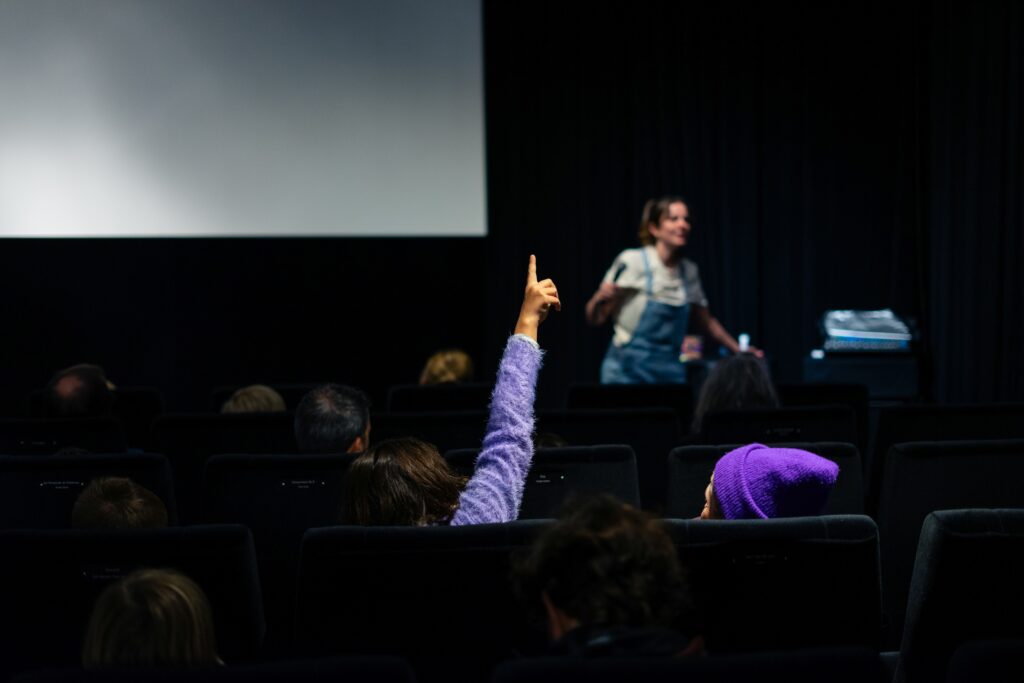
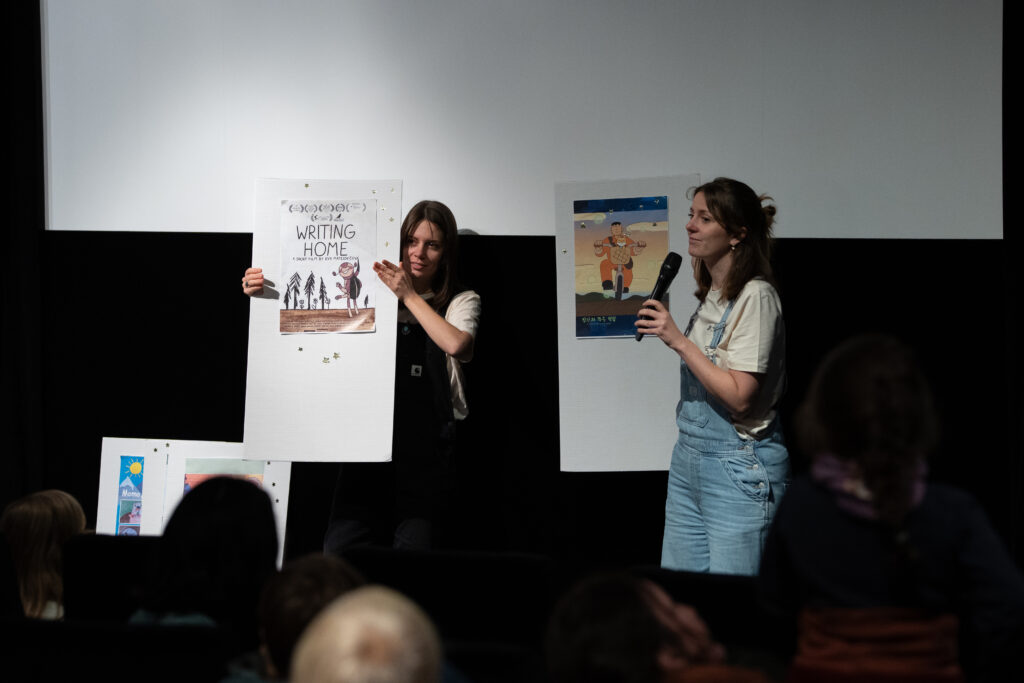
At the same time, the first round of our yearly kids’ program took place in the cinema: Anne and Laura from the organising team guided over 30 children aged five and above and their accompanying adults through a colorful program of short films on the topics of environmental protection and sustainability.
On Saturday afternoon, two more films on the special topic were on the program: “People at the Heart of Change” by Karen Logan and “Ben & bEartha: A Community’s Compost Love Story” by Jordan Osmond show inspiring grassroots composting projects from South Africa and New Zealand, respectively. After the film, Veit Cornelis from the Freiburger Abfallwirtschaft ASF answered visitors’ questions about the waste system in Freiburg and the measures being taken to establish stronger material cycles in this area.
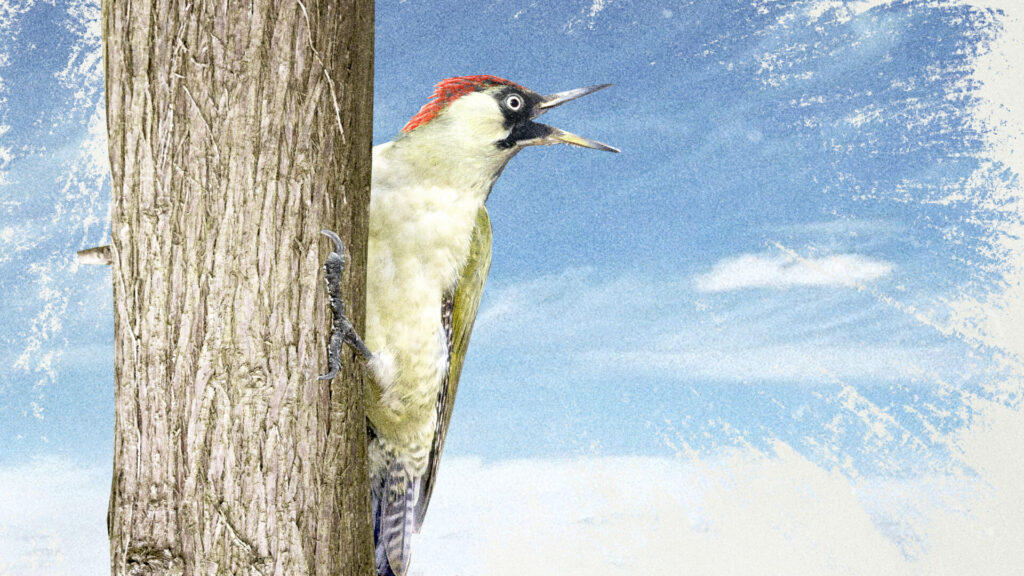
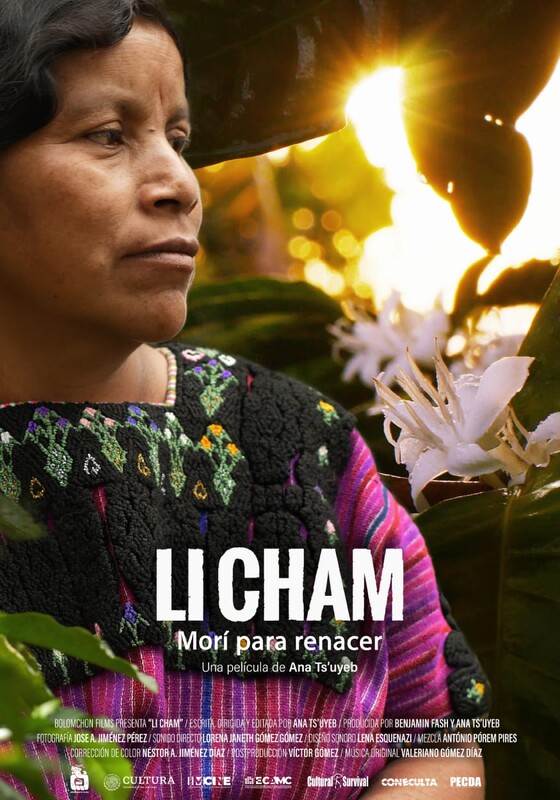
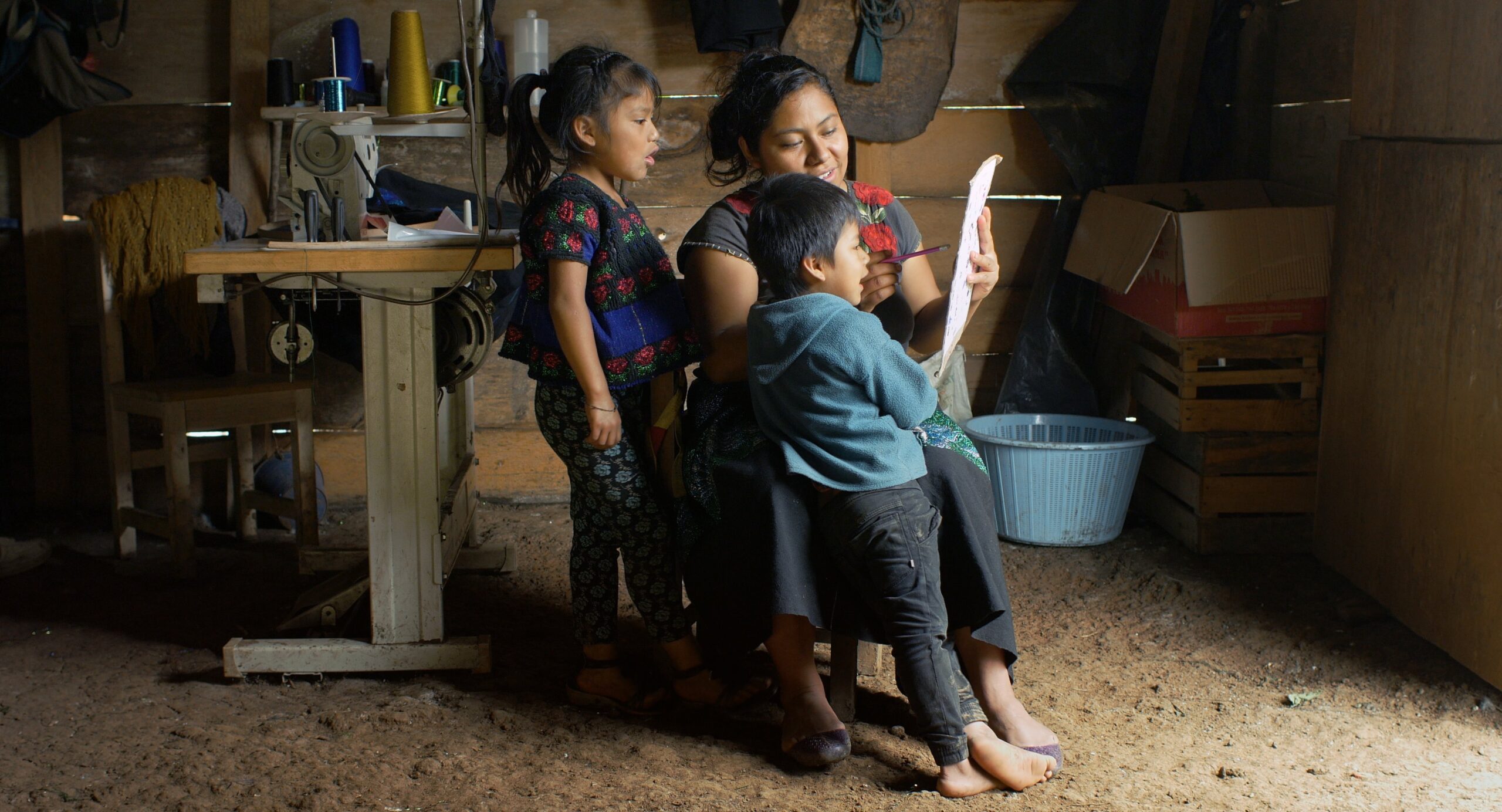
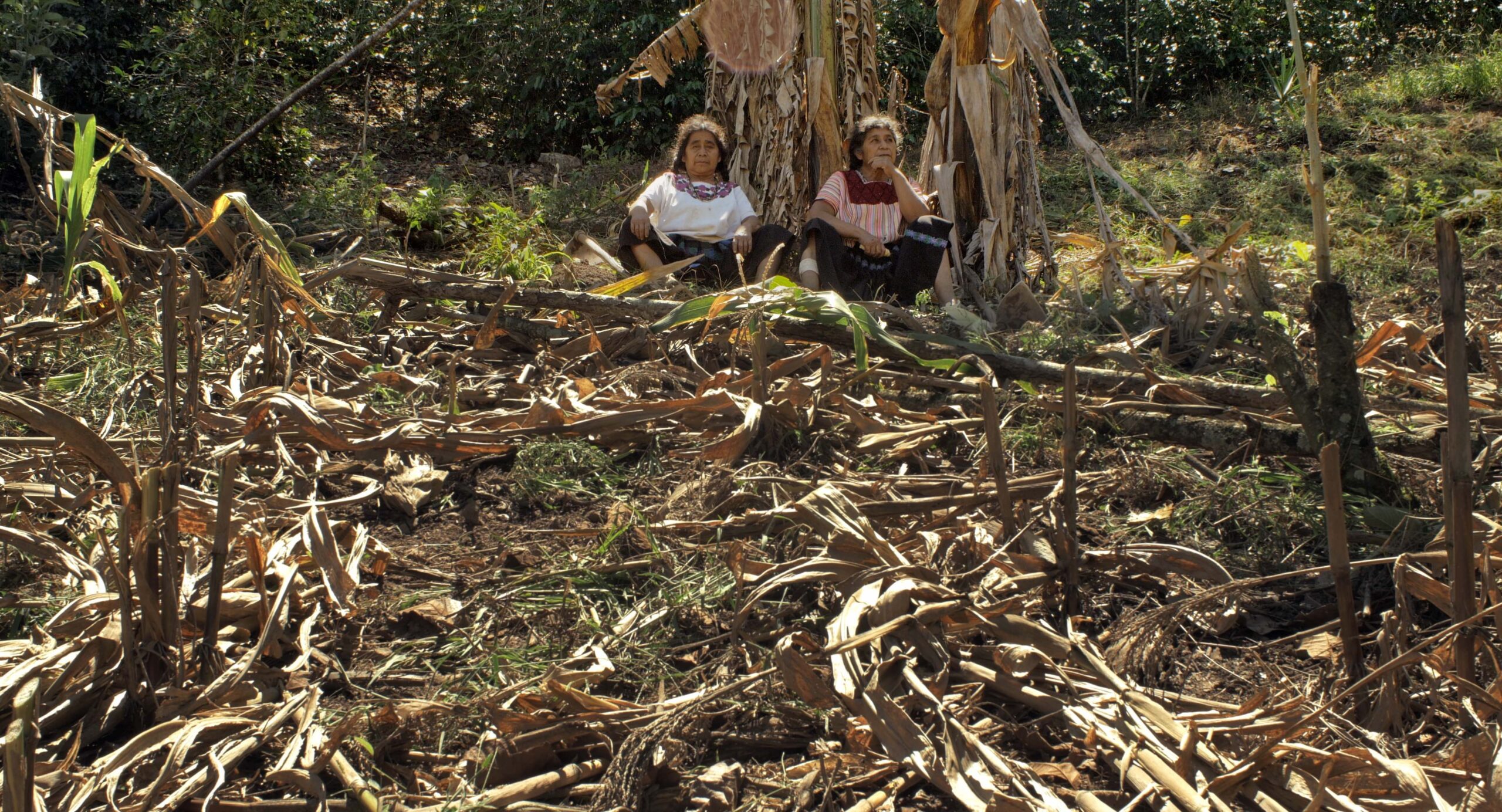
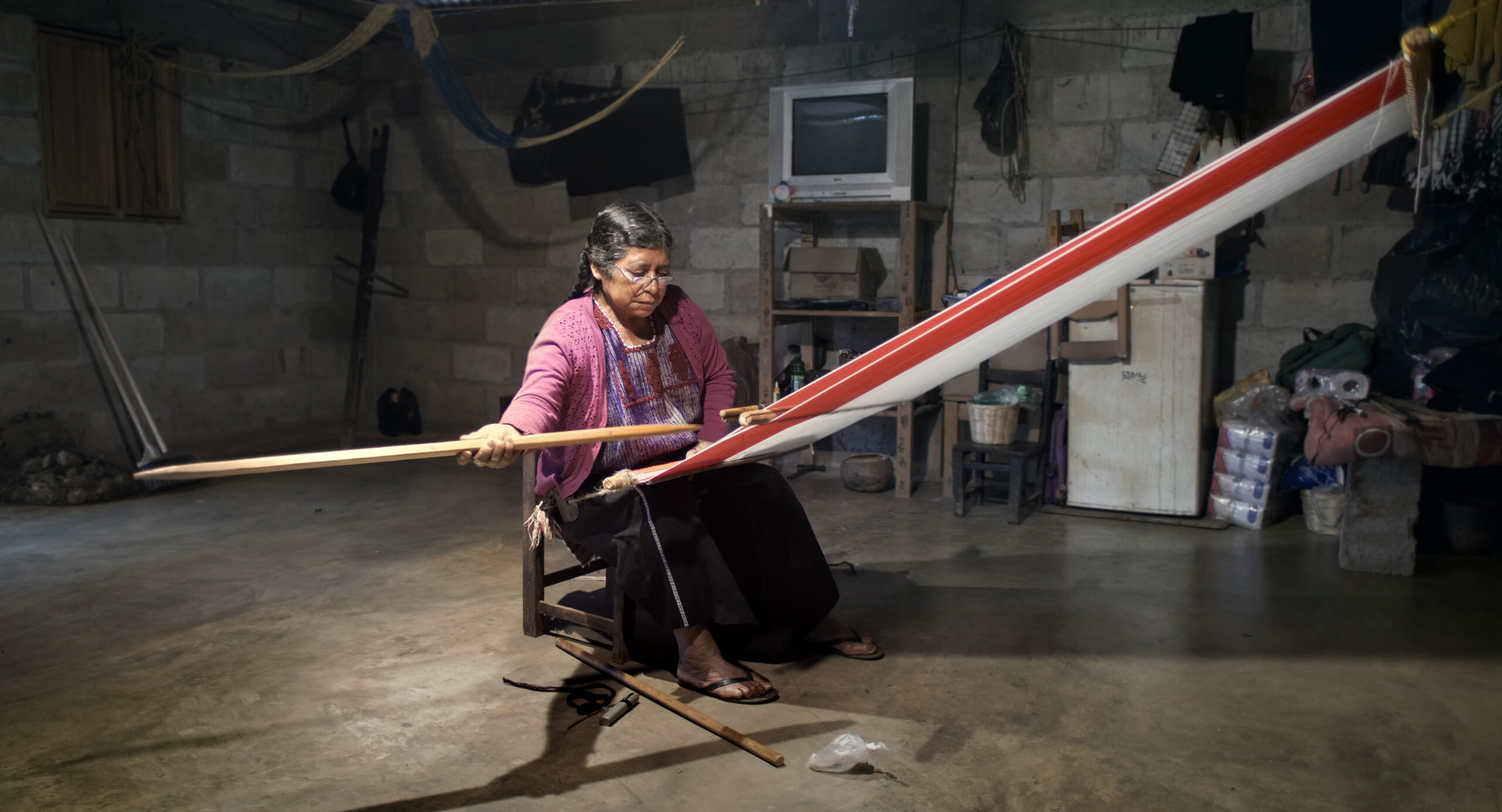
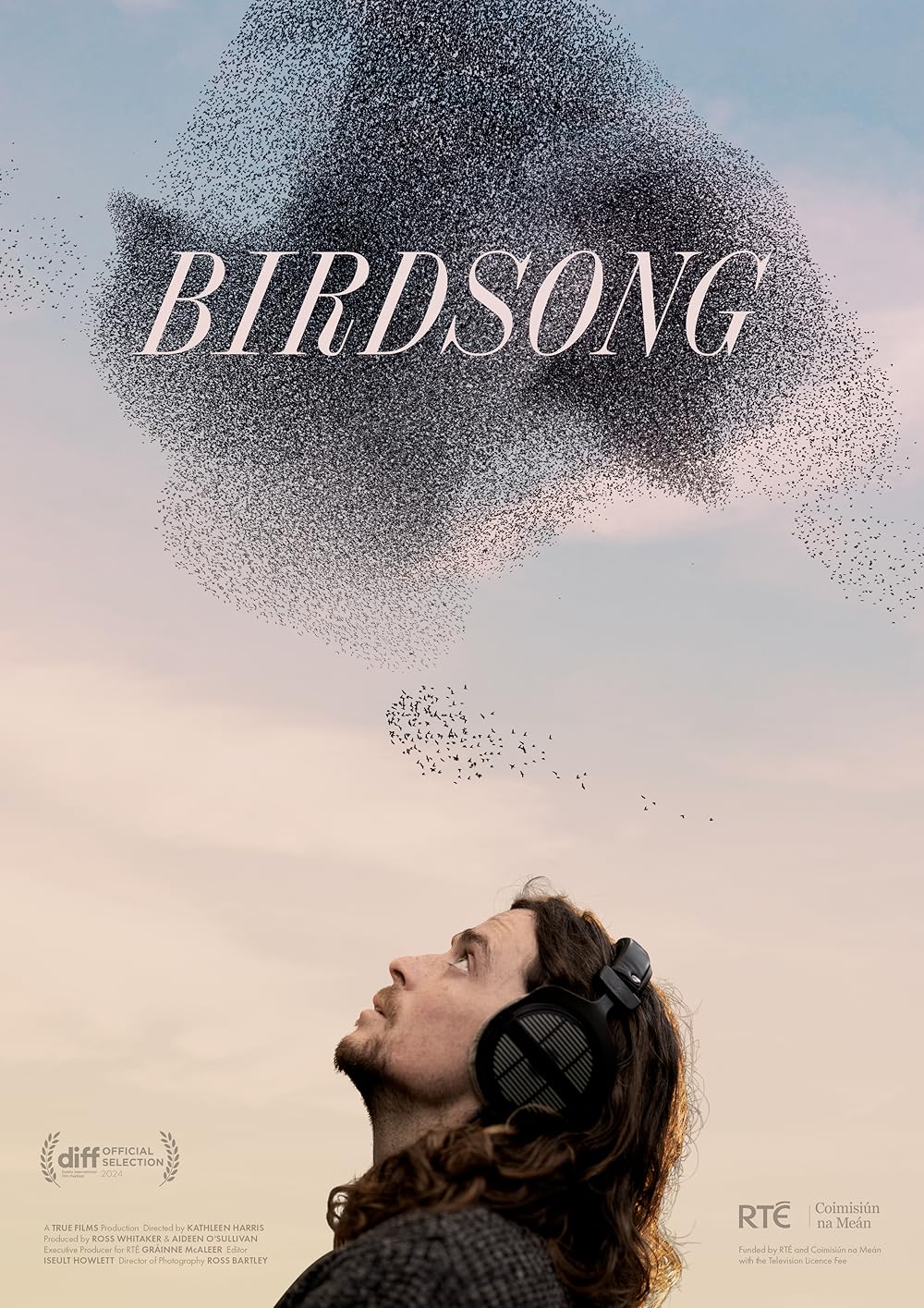
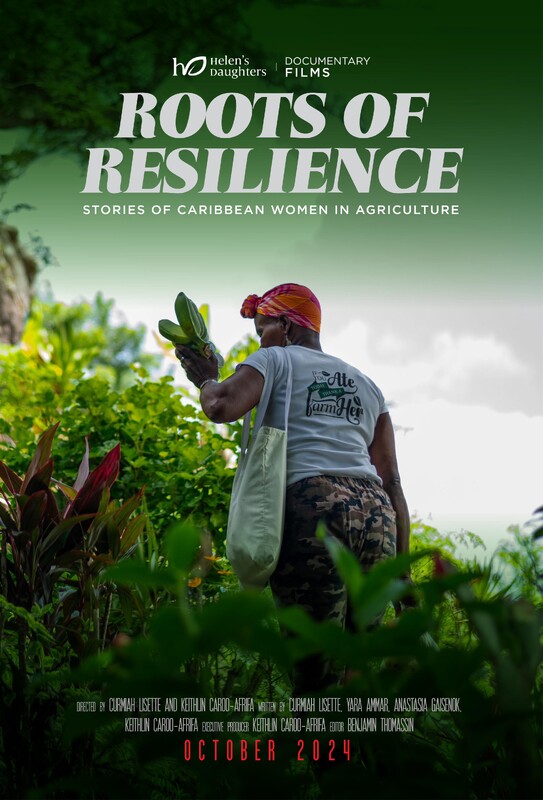
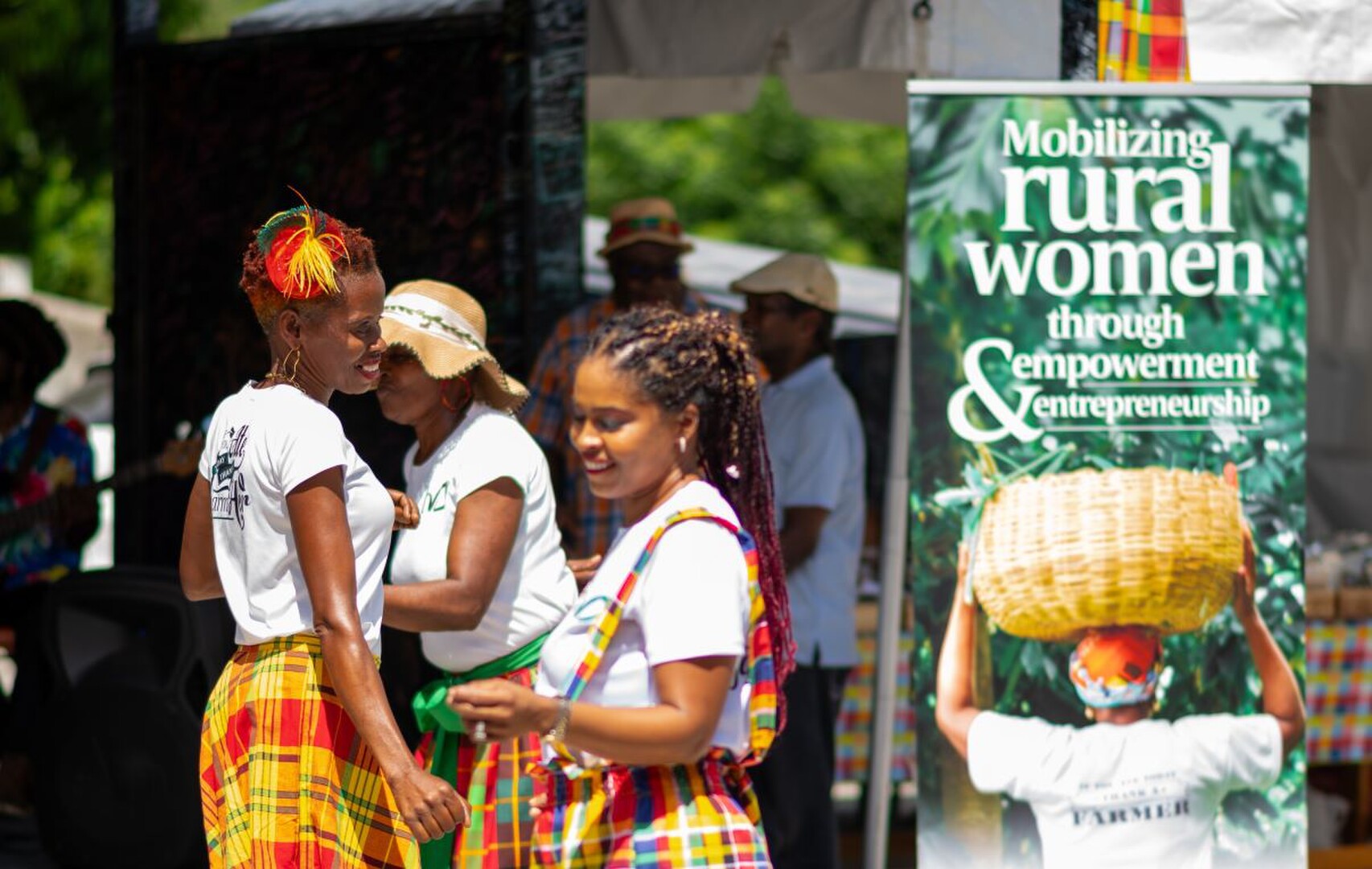
The journey around the globe continued cheerfully in the afternoon: Curmiah Lisette’s film “Roots of Resilience: Stories of Caribbean Women in Agriculture” presents an organization on the Caribbean island of St. Lucia that is committed to empowering women in local agriculture. “Birdsong” by Kathleen Harris follows an Irish ornithologist as he attempts to record the voices of all bird species in Ireland. “Li Cham” by Ana Ts’uyeb movingly depicts the emancipation of three Tsotsil women who regain their belief in a life of freedom and independence through the philosophy of Zapatismo.
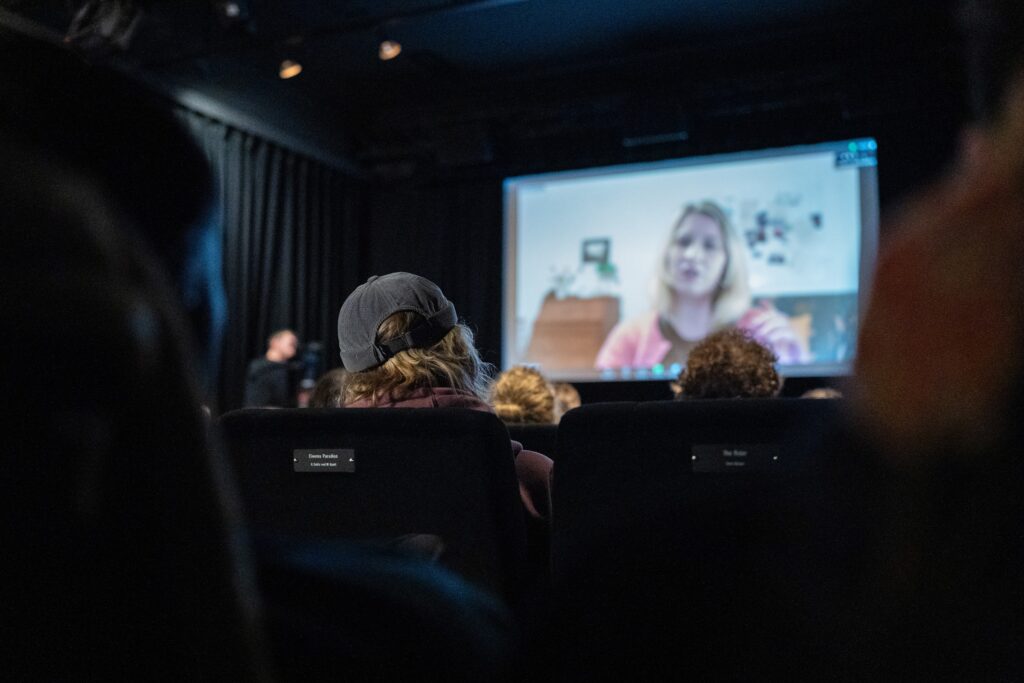
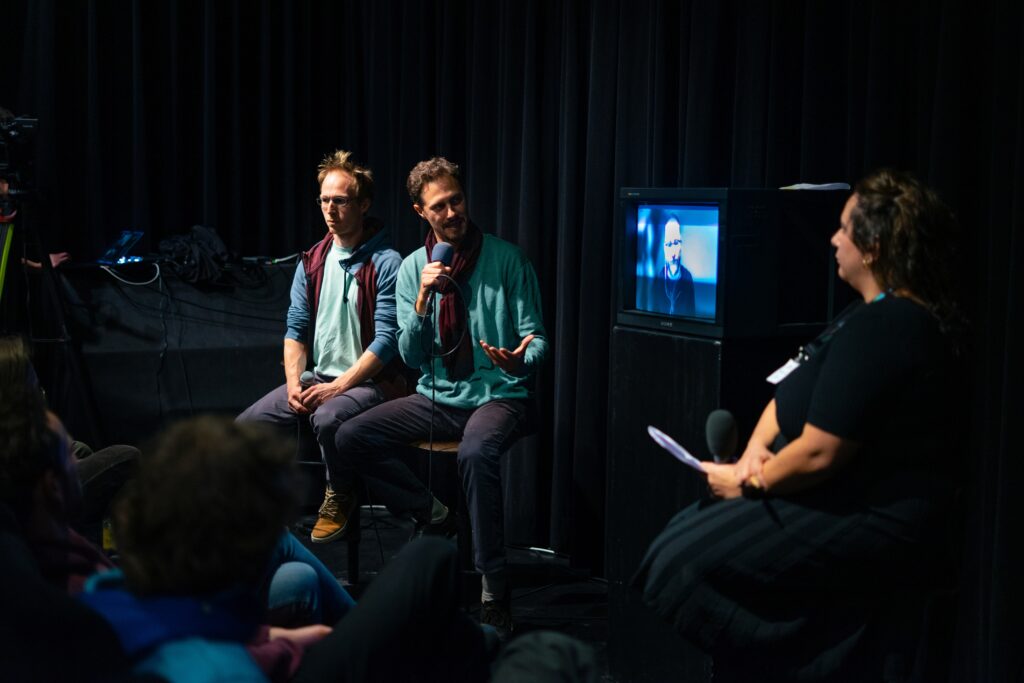
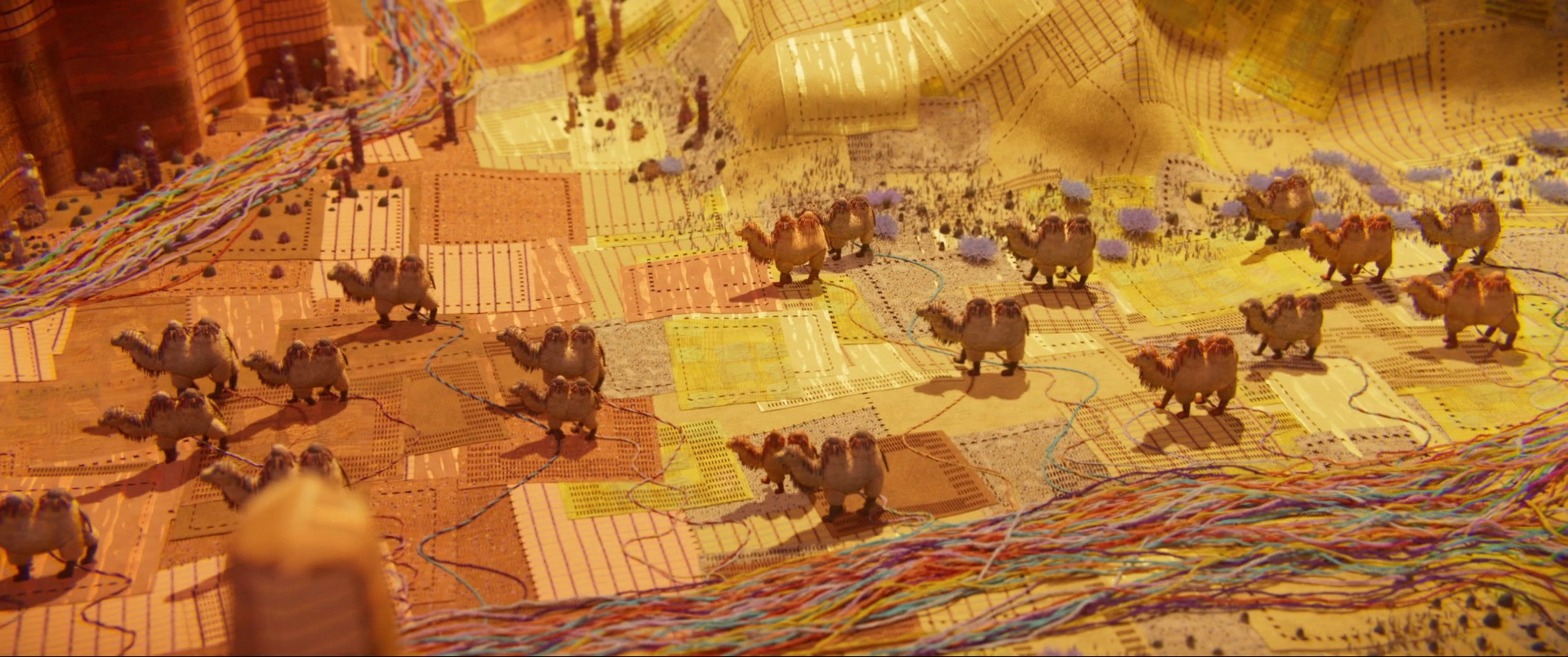
The grand finale on Saturday evening was the film “The Wolves Always Come at Night” by Gabrielle Brady about a nomadic family in Mongolia who are forced to give up their traditional pastoral lifestyle due to climate change and make a new start in the big city. After the film, the more than 80 visitors were able to ask questions to the film’s editor, Katharina Fiedler, who joined us through a video call.
Sunday, November 9
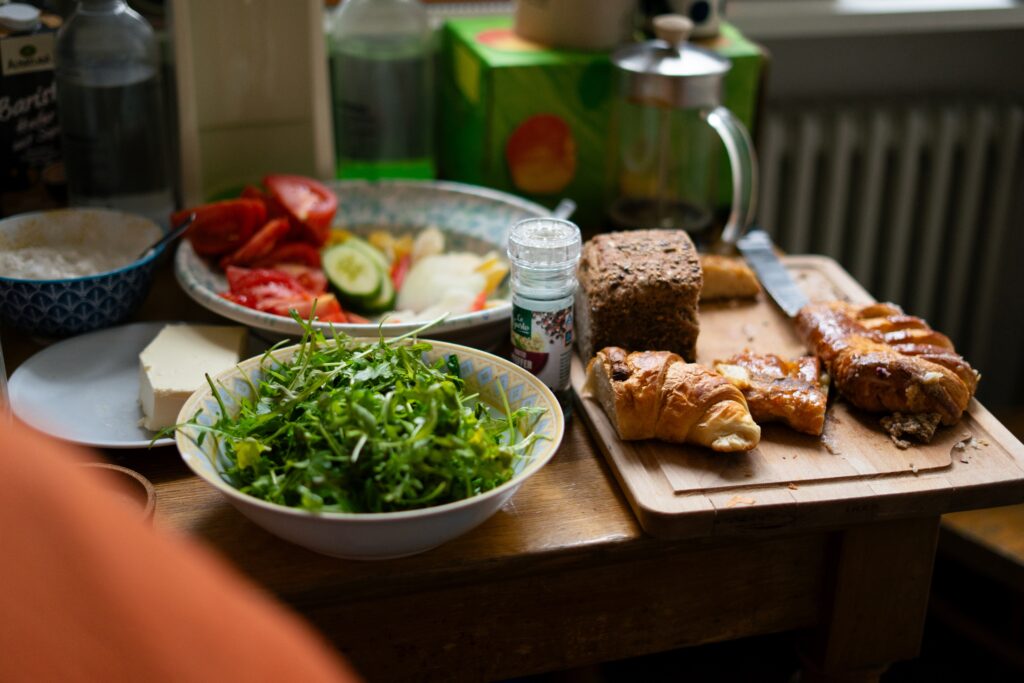
In keeping with the tradition of recent years, the last day of the festival began with a buffet made from rescued food. In keeping with the theme, this was followed by a screening of the film “Demain, la Vallée” by Jérôme Prudent on sustainable agriculture. The film was accompanied by a panel discussion with participants from Agronauten, Piluweri (who also provided catering for the team during the festival), Regionalwert AG, and Gartencoop Freiburg.
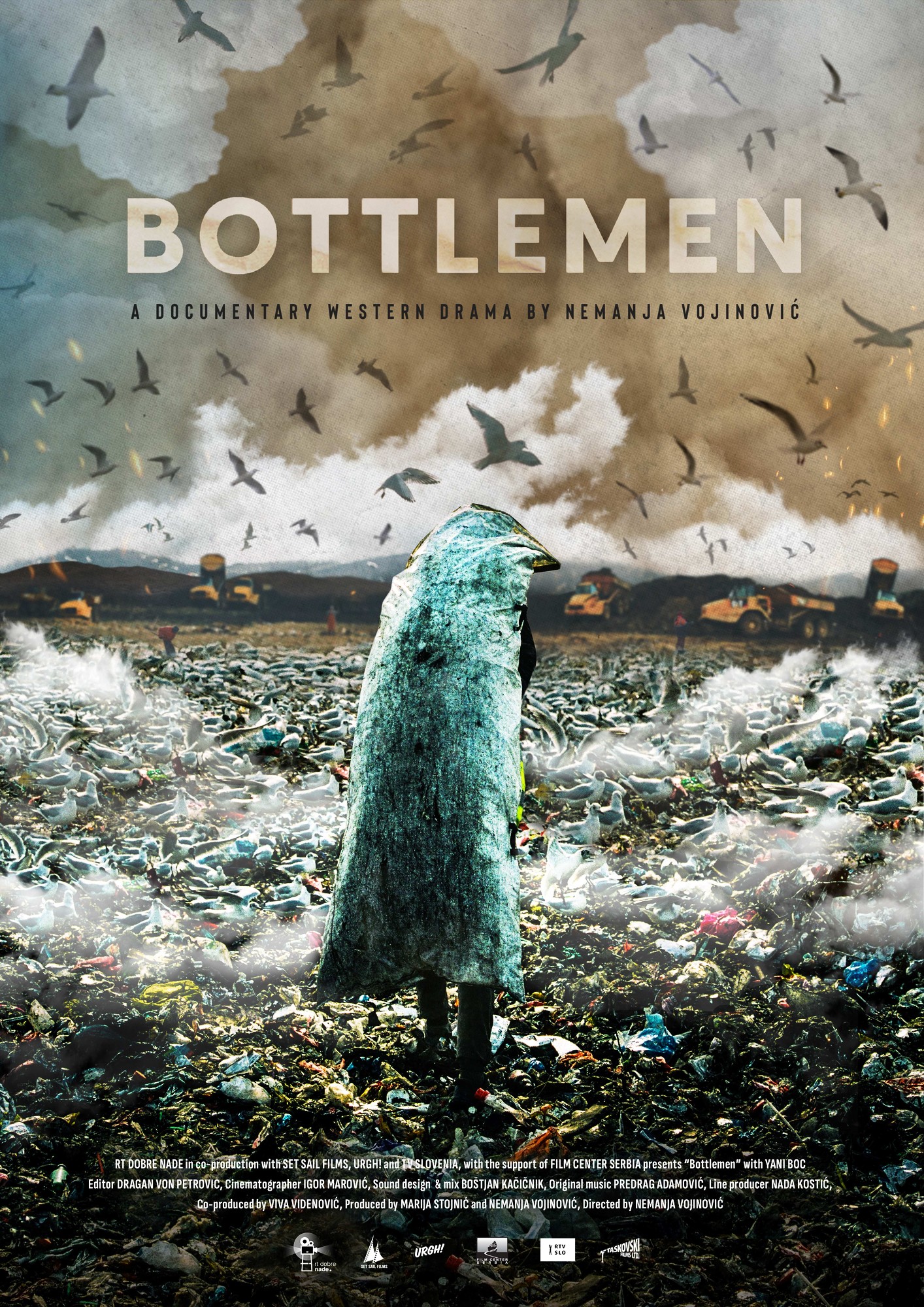
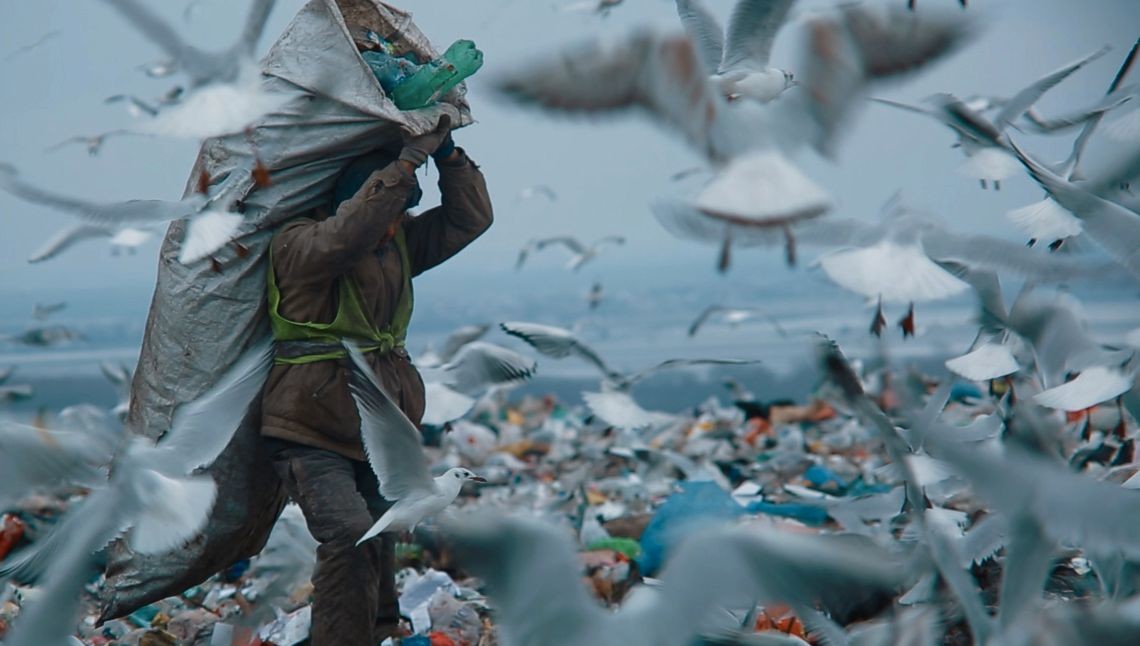
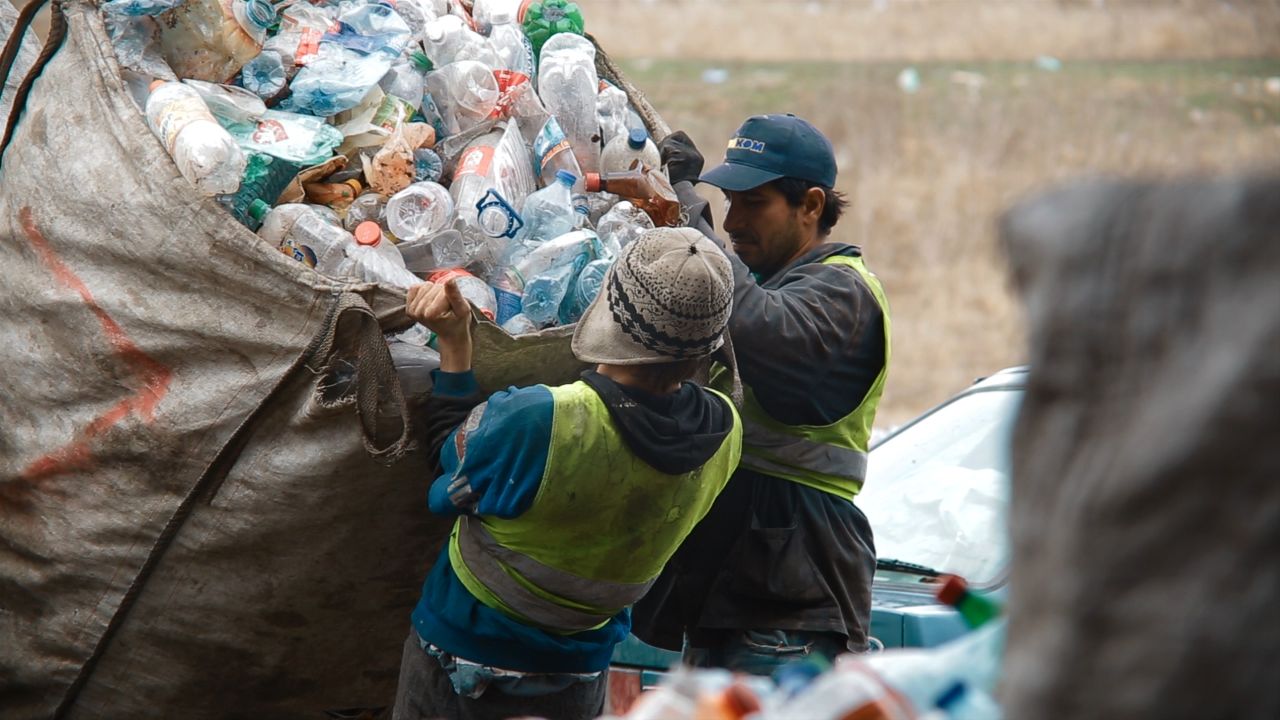
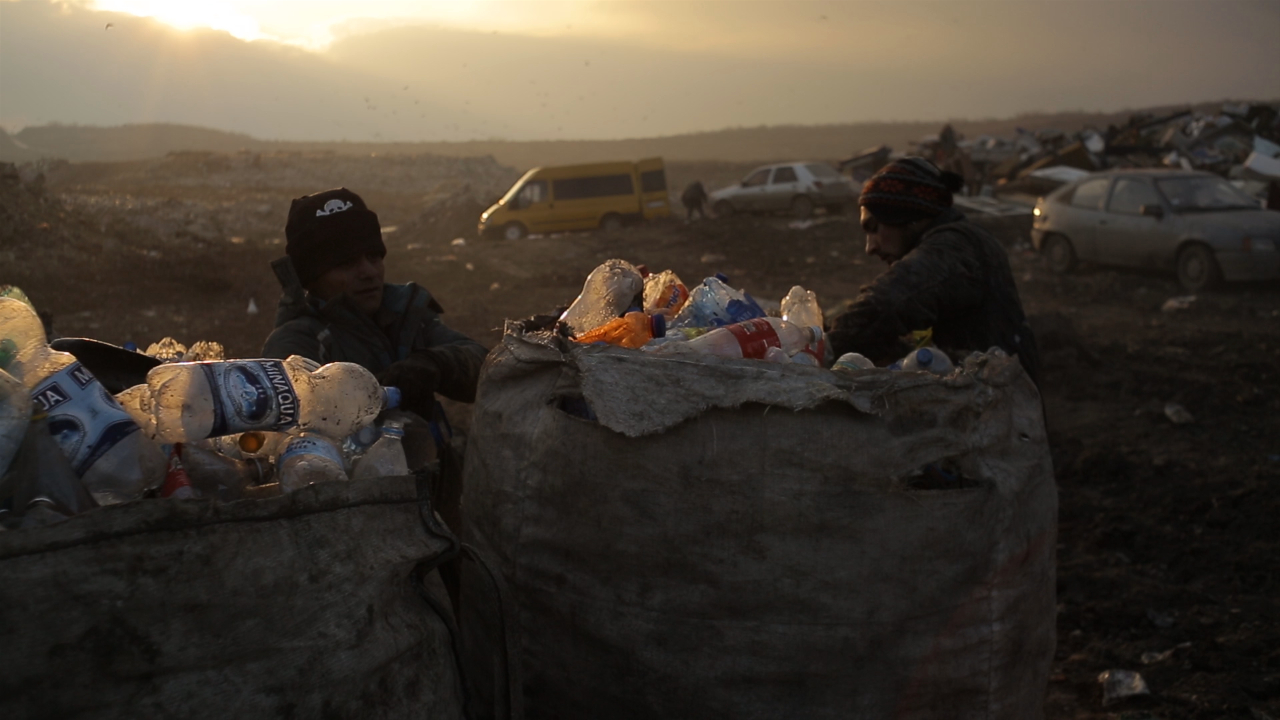
On Sunday afternoon, Pierre-François Didek’s film “Documerica, Self-Portrait of a Nation on the Brink” painted a moving but also disturbing picture of the long history of environmental destruction in the USA. The shocking extent of human environmental destruction was also evident in the film “Bottlemen” by Nemanja Vojinović, which documents the lives of bottle collectors at Europe’s largest landfill site in Serbia.
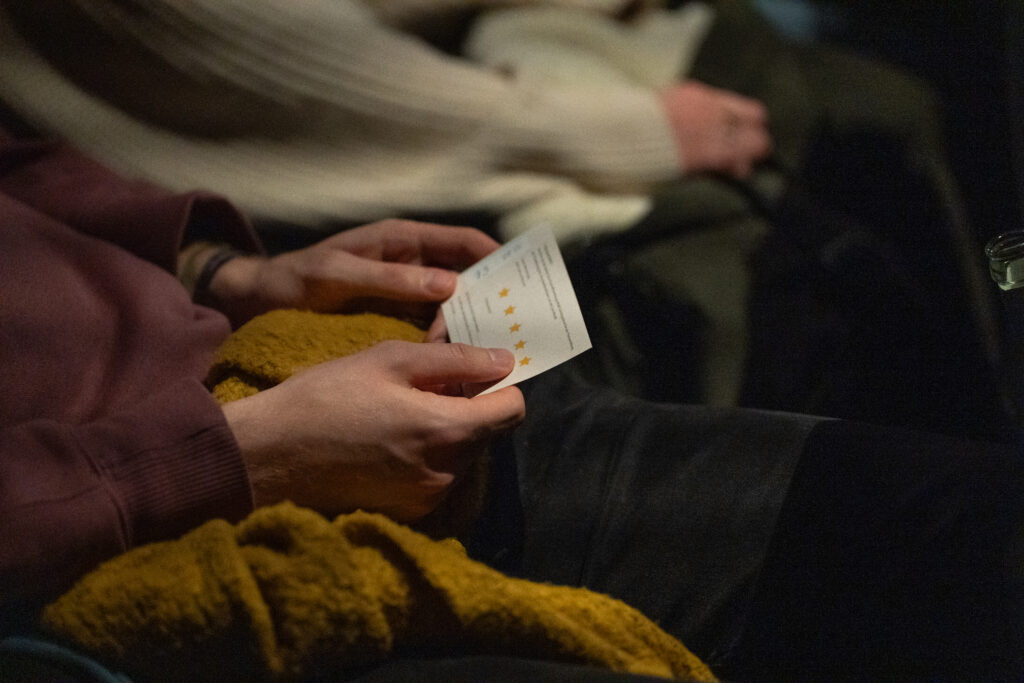
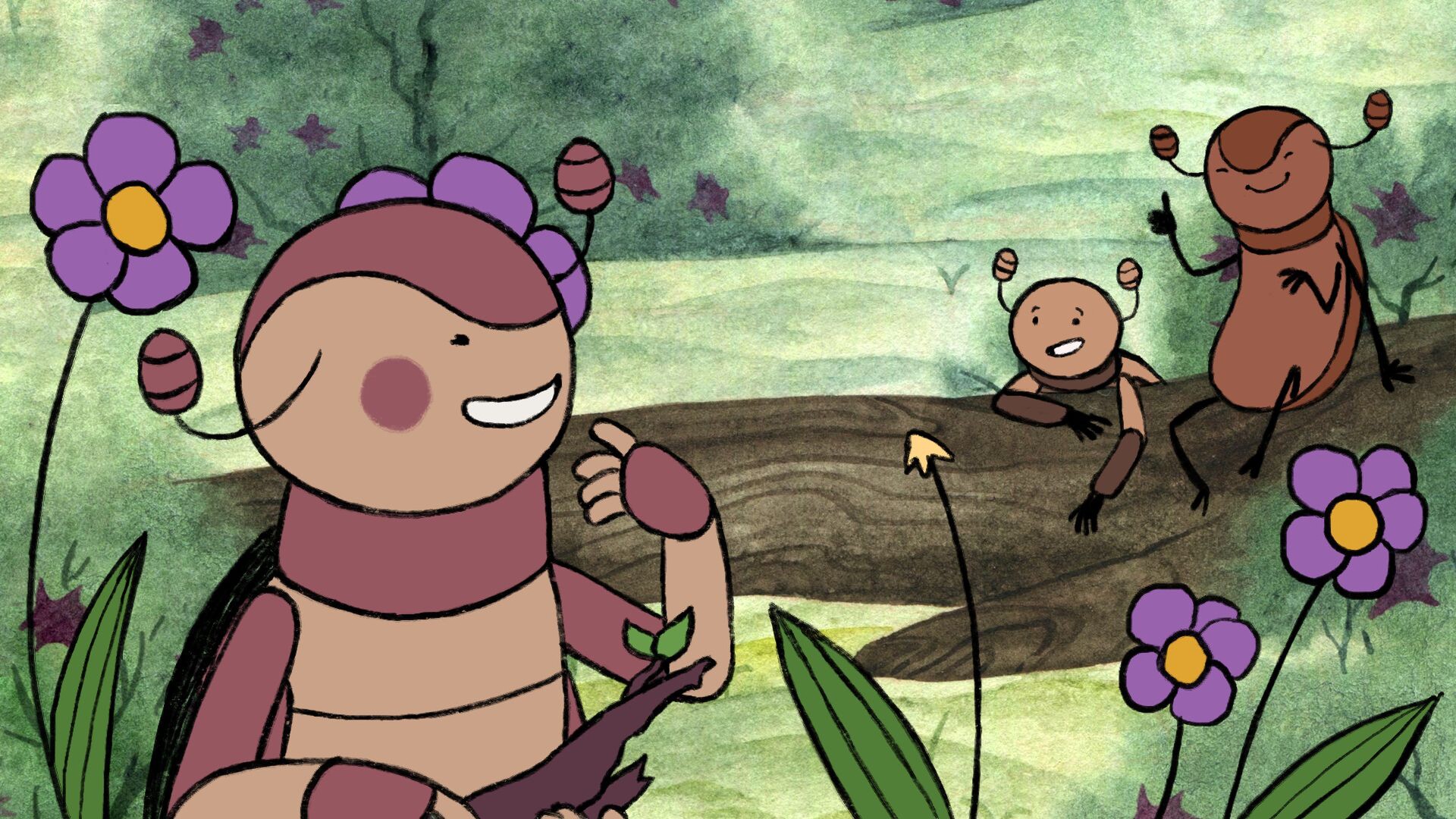
The kids’ program also ran for the second time on Sunday afternoon. The majority of young visitors to the two sessions on Saturday and Sunday voted Eva Matejovičova’s film “Writing Home,” about the life of a bark beetle girl, as the winner of the Sparkasse Freiburg – Nördlicher Breisgau Kids’ Award. Congratulations!
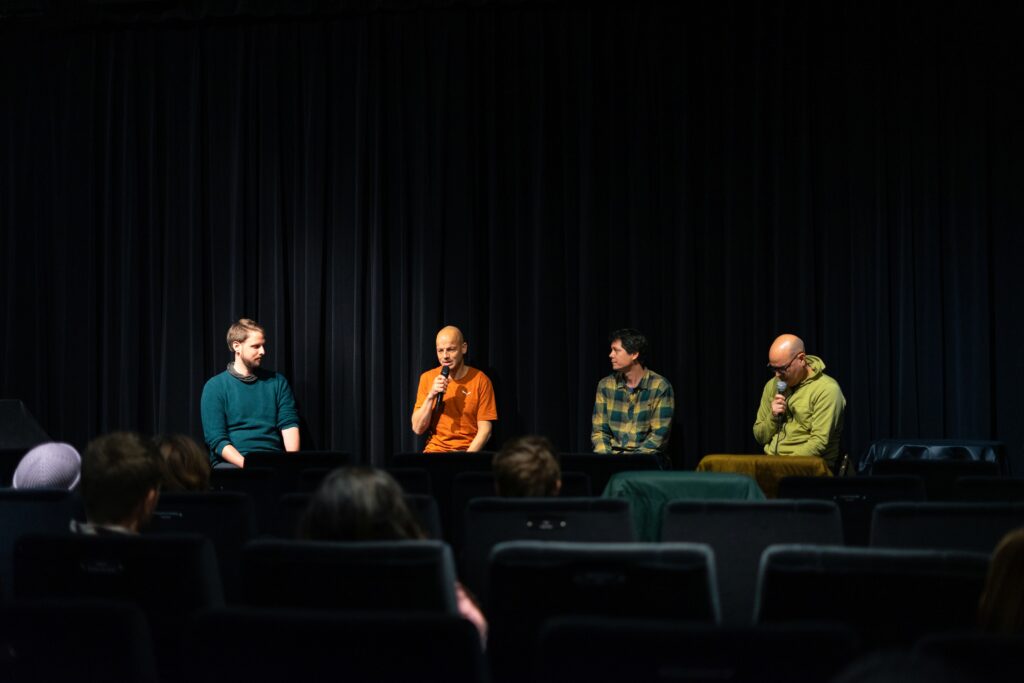
The last feature film of the 2025 festival was once again related to our special topic: Martin H. Oetting’s film “Purpose” follows two economists in their fight for a fundamentally new economic system beyond the pressure to grow and the throwaway mentality. The film was followed by a panel discussion with the director (online), Niklas Mischowski from the ICLEI city alliance, and Benedikt Schmid from the University of Freiburg.
As every year, the legendary short film competition and subsequent award ceremony on Sunday evening provided the grand finale to the festival. From the seven short films shown, our short film jury selected Frédéric Doazan’s film “Picus” as the winner and presented it with the prize sponsored by the Alfred Toepfer Foundation. Congratulations!
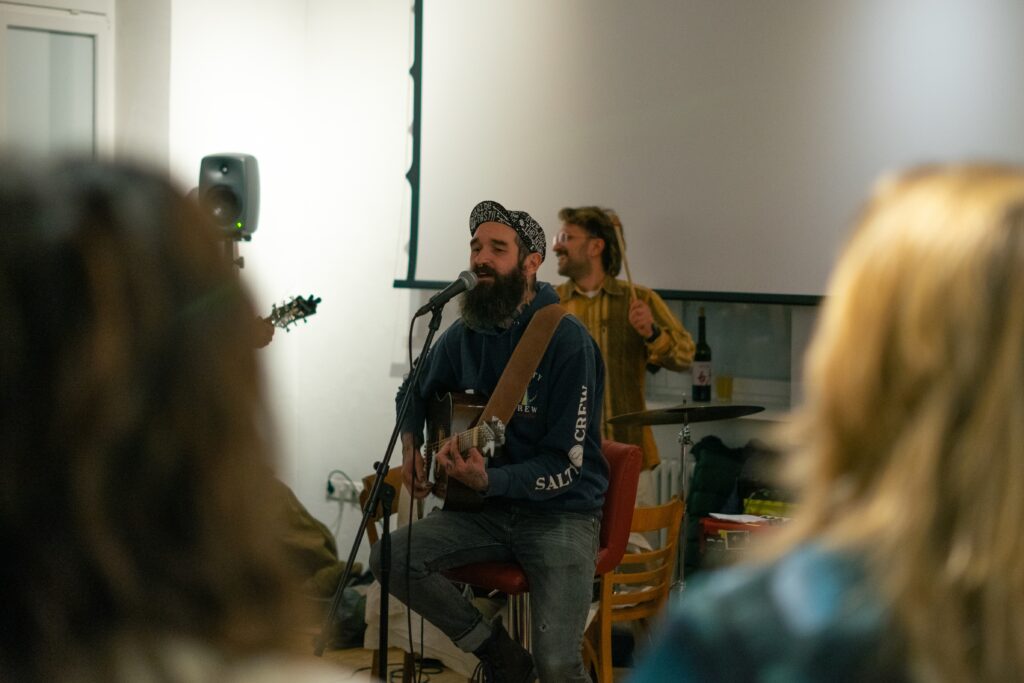
To bring the festival to a close together, the Greenmotions organizing team invited everyone to an afterparty in the gallery of Kommunales Kino after the award ceremony, with music from the Freiburg band Cosmic Mints and sparkling wine and wine sponsored by Weingut Andreas Dilger.
On the final evening of our festival, we show a colourful variety of short documentaries and animated films from our annual short films competition. Like our festival, they are focused on topics of sustainability, environmentalism and social justice.
After the about one-hour-long programme we start this year’s awards ceremony, where the awards in the special topic category and for the best short film will be given out by our juries of experts. We will also give out the prizes for the best short film in the kids category and the audience award for the best feature length film.
To close out the festival there will also be a small party with snacks, wine from the Weingut Andreas Dilger and music by the cosmic mints in the gallery of the KoKi.
The Battle of Laikipia paints a panorama of an escalating conflict in the heart of Kenya: on the Laikipia plateau, nomadic Samburu pastoralists and white landowners have been confronting each other for decades – a legacy of colonial land grabbing that is now being reignited by apocalyptic droughts and disputed water and grazing rights. The film documents how a dangerous dynamic is emerging in the grass-poor plains: Herds are led onto irrigated, fenced-off ranches and armed confrontations escalate.
After the film, there will be a discussion with Edwin Mutyenyoka of the Arnold-Bergstraesser-Institute.
07.11.25
8:30 PM
Main Screening is sold out!
But we also show the movie in a parallel screening in the cinema’s smaller gallery room! There will be no discussion in the gallery, however.
Li Cham (I Died) is the rebirth of three Tsotsil women. After losing the lives of their babies and family members to patriarchal violence, parts of them die. With the arrival of Zapatismo, their dreams blossom again and they defend the most precious thing they have: their land and a life of independence and hope. The film tells the inspiring story of the women, who had to endure many hardships on their path to independence.
On the outskirts of Serbia’s capital, Belgrade, lies one of the biggest landfills in Europe – Vinča. Once an archeological site of the European neolithic, this toxic place, unsettled by fires, is a workplace for a community of plastic bottle collectors – Bottlemen. In this documentary-western, we follow the last days of this community before their jobs become obsolete, as we focus on the struggle of a good-hearted boxer, Yanika, to be a group leader in a chaotic system.
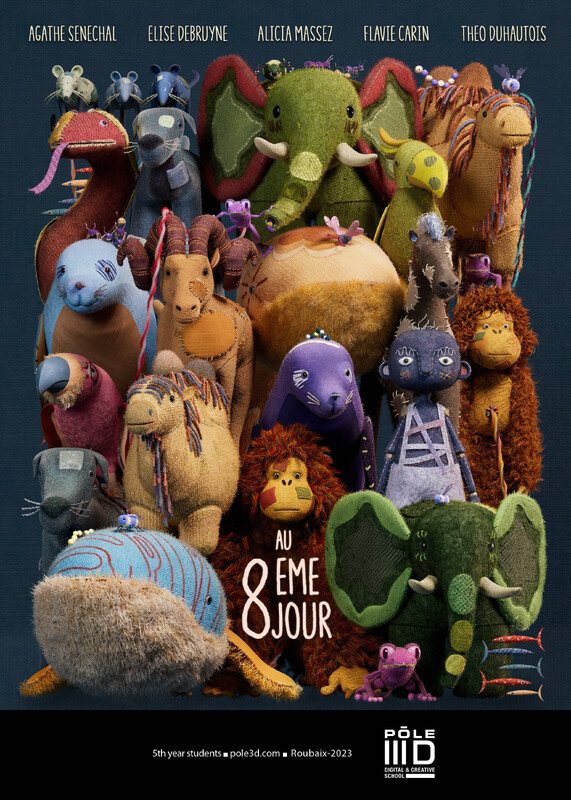
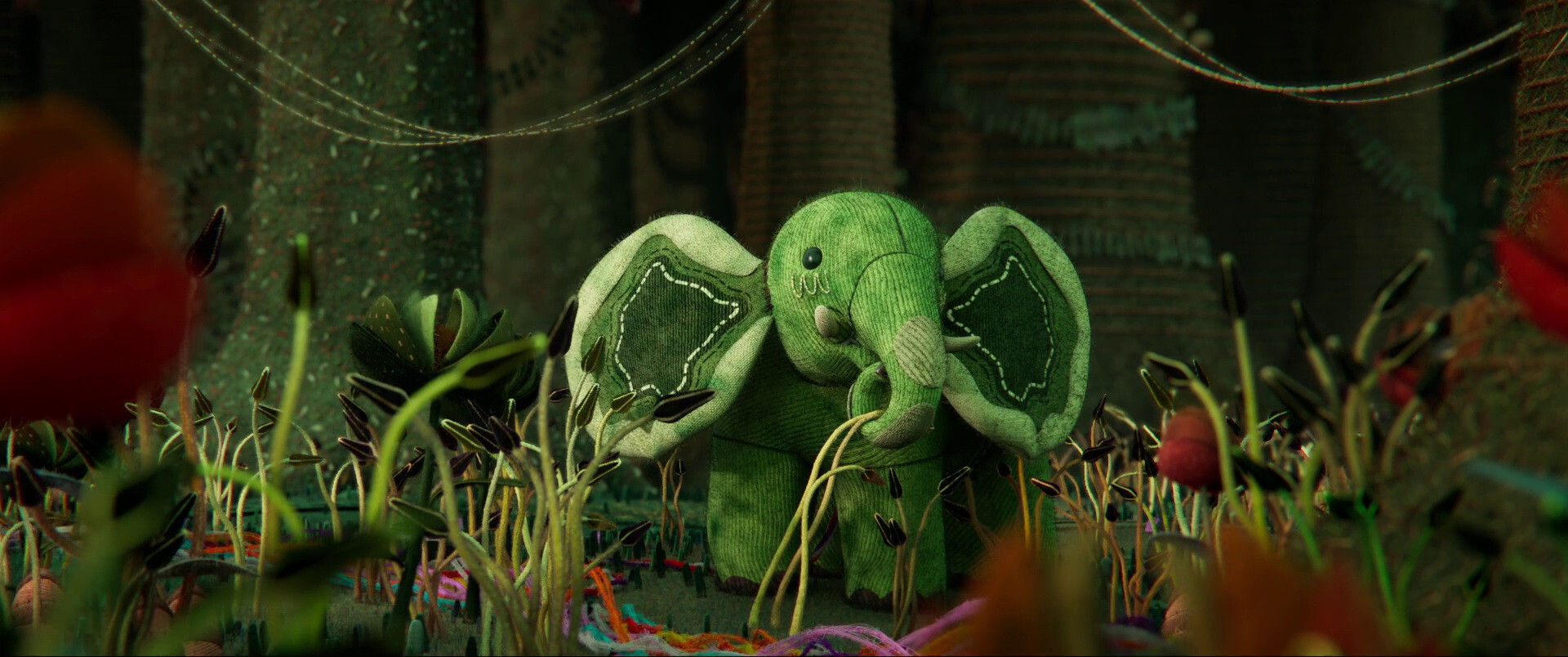
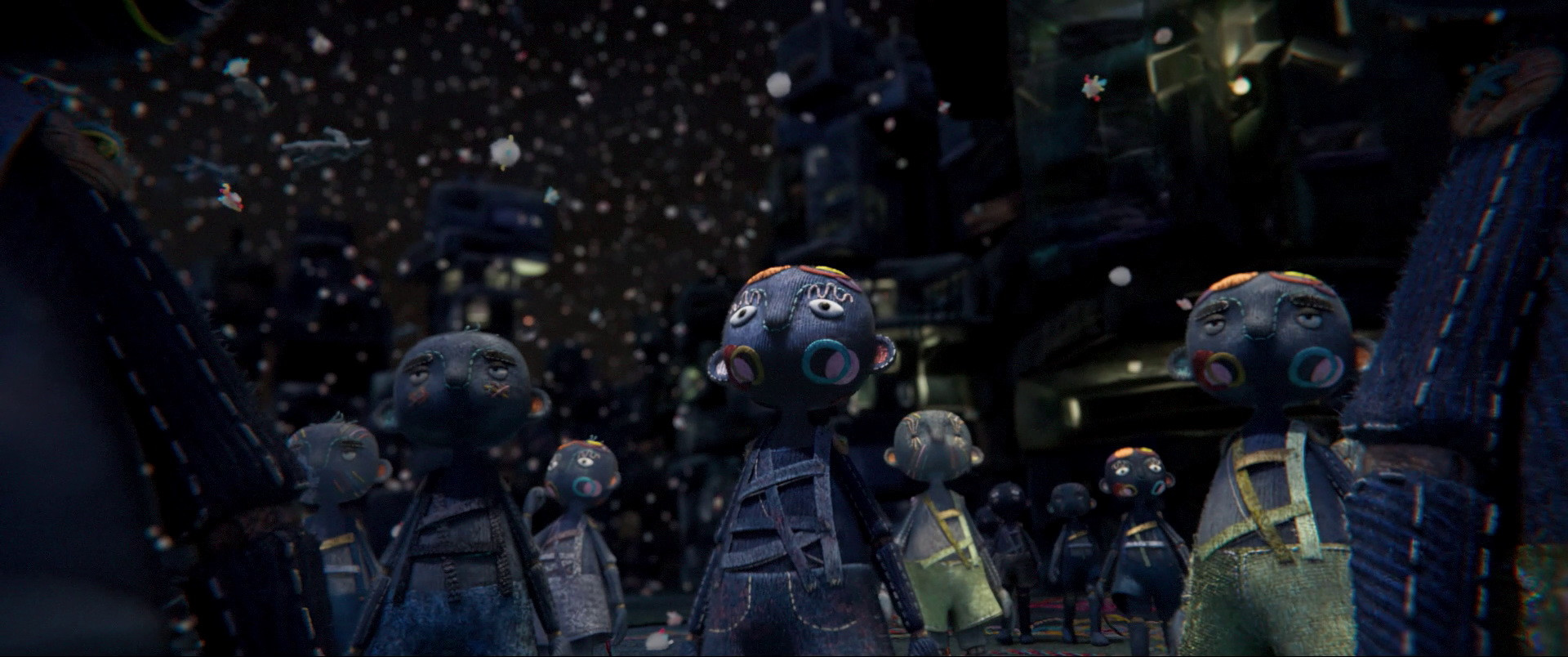
This double feature showcases the beauty of the natural world and reminds us, how close we are to losing it. The French film Au 8ème Jour delicately illustrates how humans disrupt the balance of Earth’s tightly interwoven ecosystems. This artfully animated film serves as a grim metaphor of humanity’s role on the planet.
Birdsong presents the ambitious project of ornithologist Seán Ronayne who attempts to make sound recordings of every bird species that still breeds in Ireland. Throughout his journey he travels to some of the country’s most beautiful and remote locations to find its most elusive species and soundscapes. Seán’s search for species is complicated by the fact, that a lot of Irish bird populations are on the verge of extinction. With its intimate animal scenes and its charismatic, authentic protagonist, the film inevitably arouses a fascination of the living world surrounding us.
Roots of Resilience: Stories of Caribbean Women in Agriculture + Weeds (short)
Directors: Curmiah Lisette & Keithlin Caroo-Afrifa / Pola Kazak
Duration: 62 min (48 min / 14 min)
Languages: English / No Dialogue
Untertitel: English
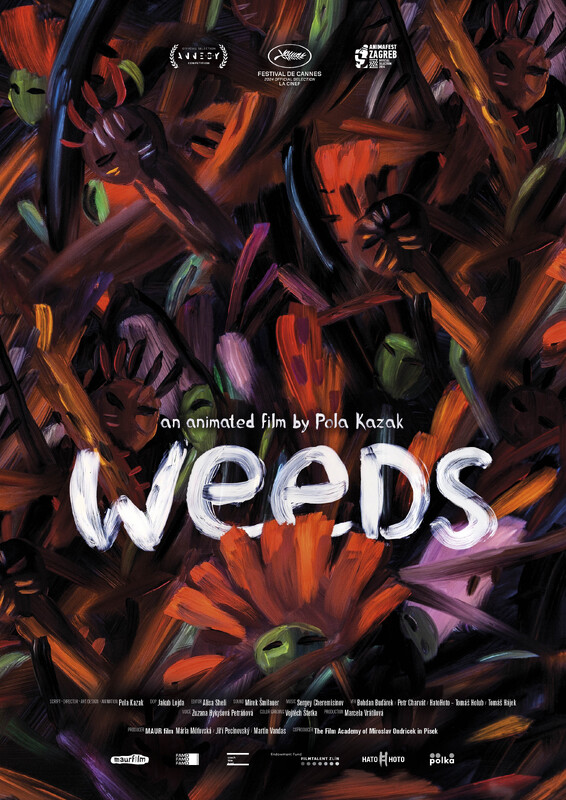
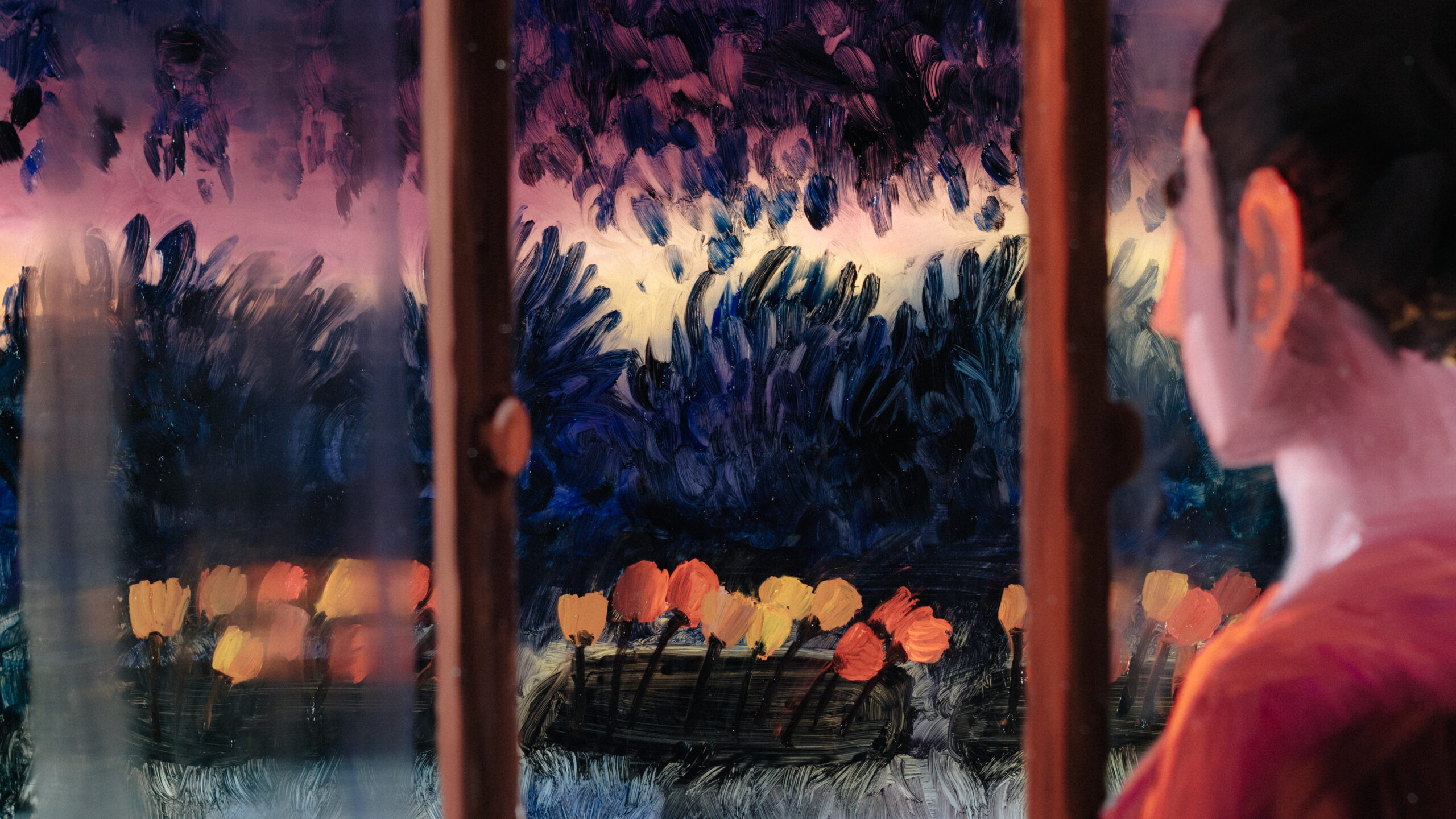
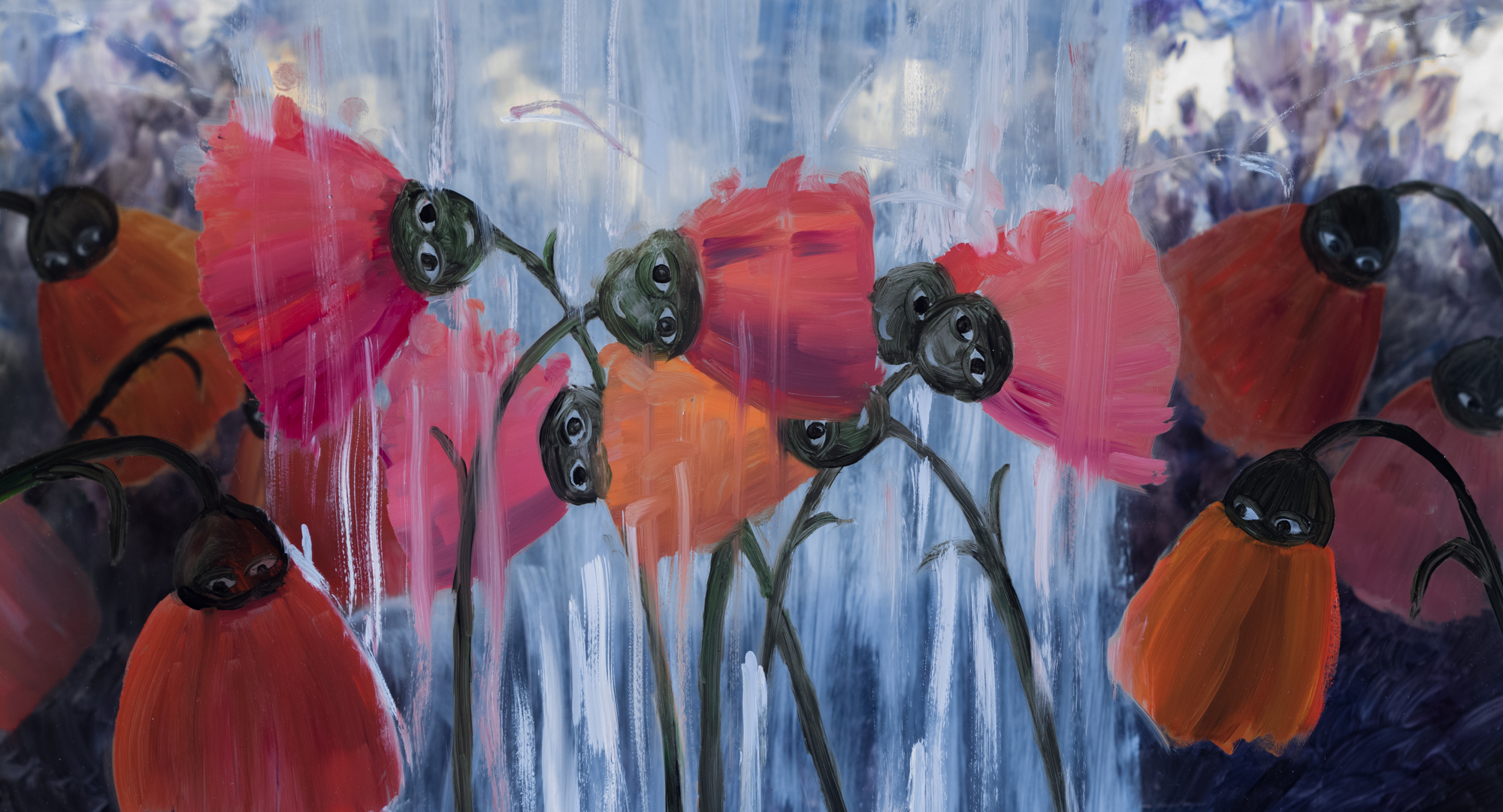
To start this double screening, Pola Kazak’s Weeds illustrates the relationship between flowers in our gardens and those in nature all around us. Her film, which she animated by painting on glass using stop motion animation techniques, reflects on the human stewardship of the life that surrounds us.
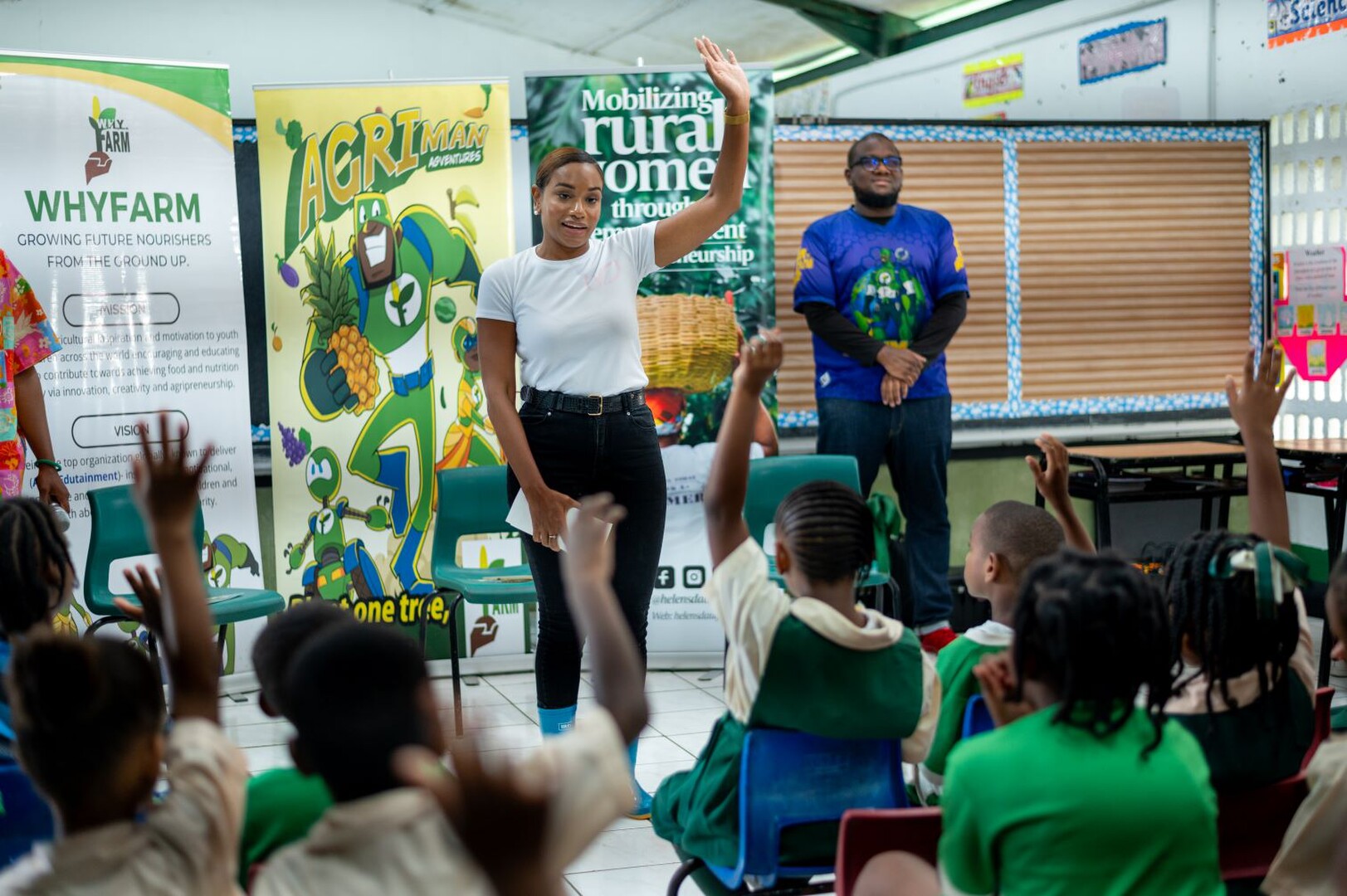
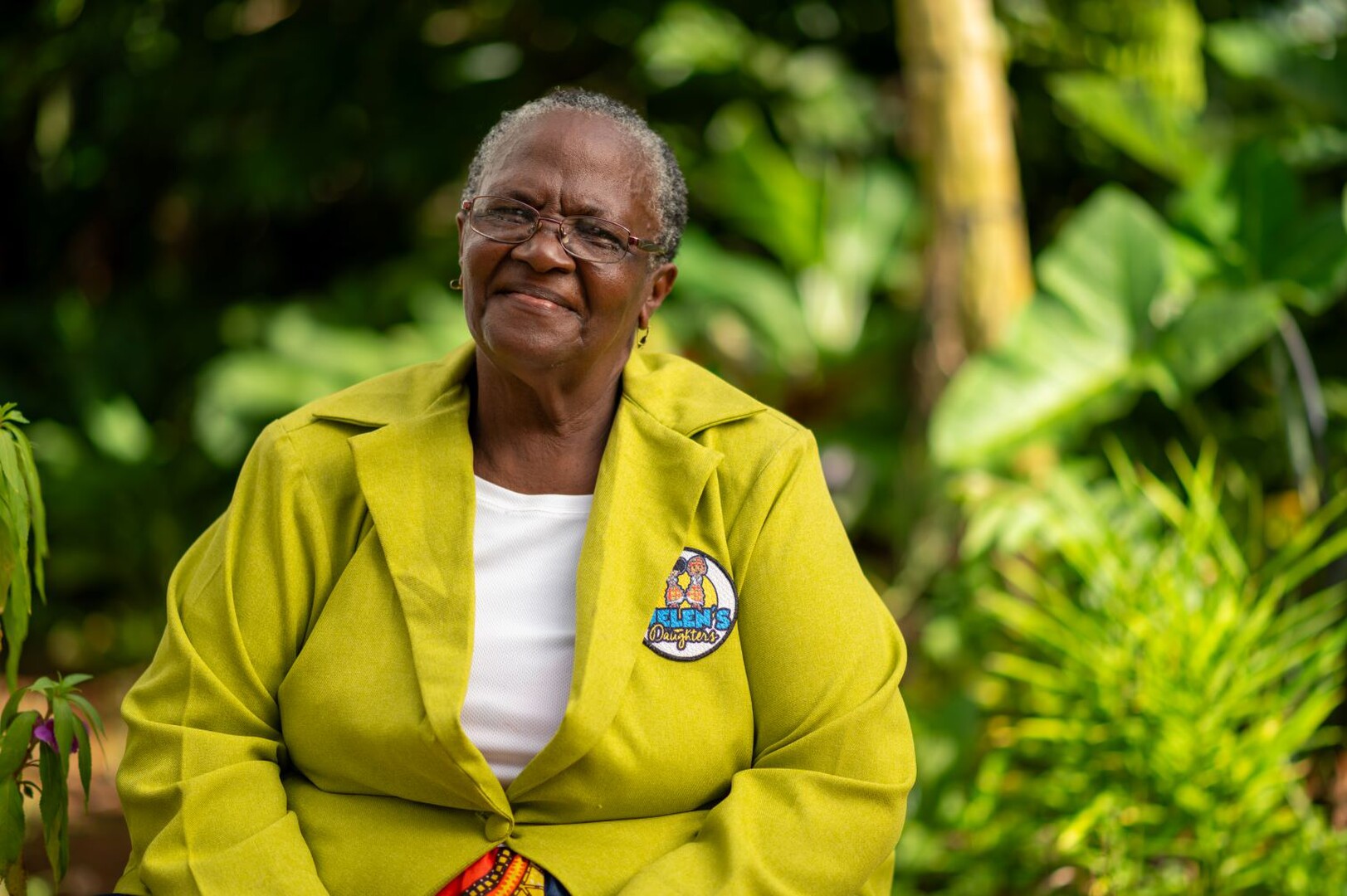
Subsequently Roots of Resilience tells the story of agriculture on the Caribbean island nation of St. Lucia. In light of St. Lucia’s past journey from indigenous roots through European colonisation and slavery, the film focuses on the inspiring work of the organisation Helen’s Daughters. Led by Keithlin Caroo-Afrifa, it empowers women farmers across the Caribbean with innovative contributions like FarmHers markets and rural training programs.
Director: Jérôme Prudent / Josephine Liu, Yuyuan Ma
Duration: 82 min (63 min / 19 min)
Languages: French / Chinese, English
Subtitles: English
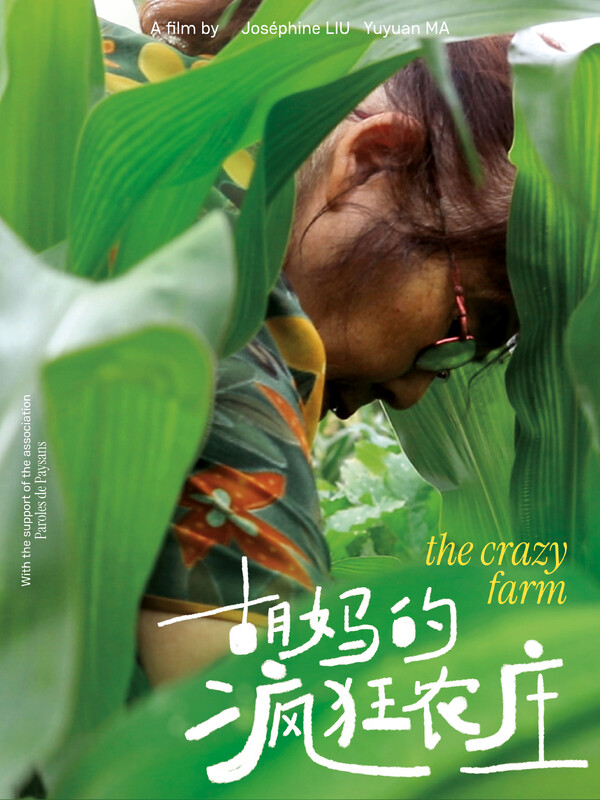
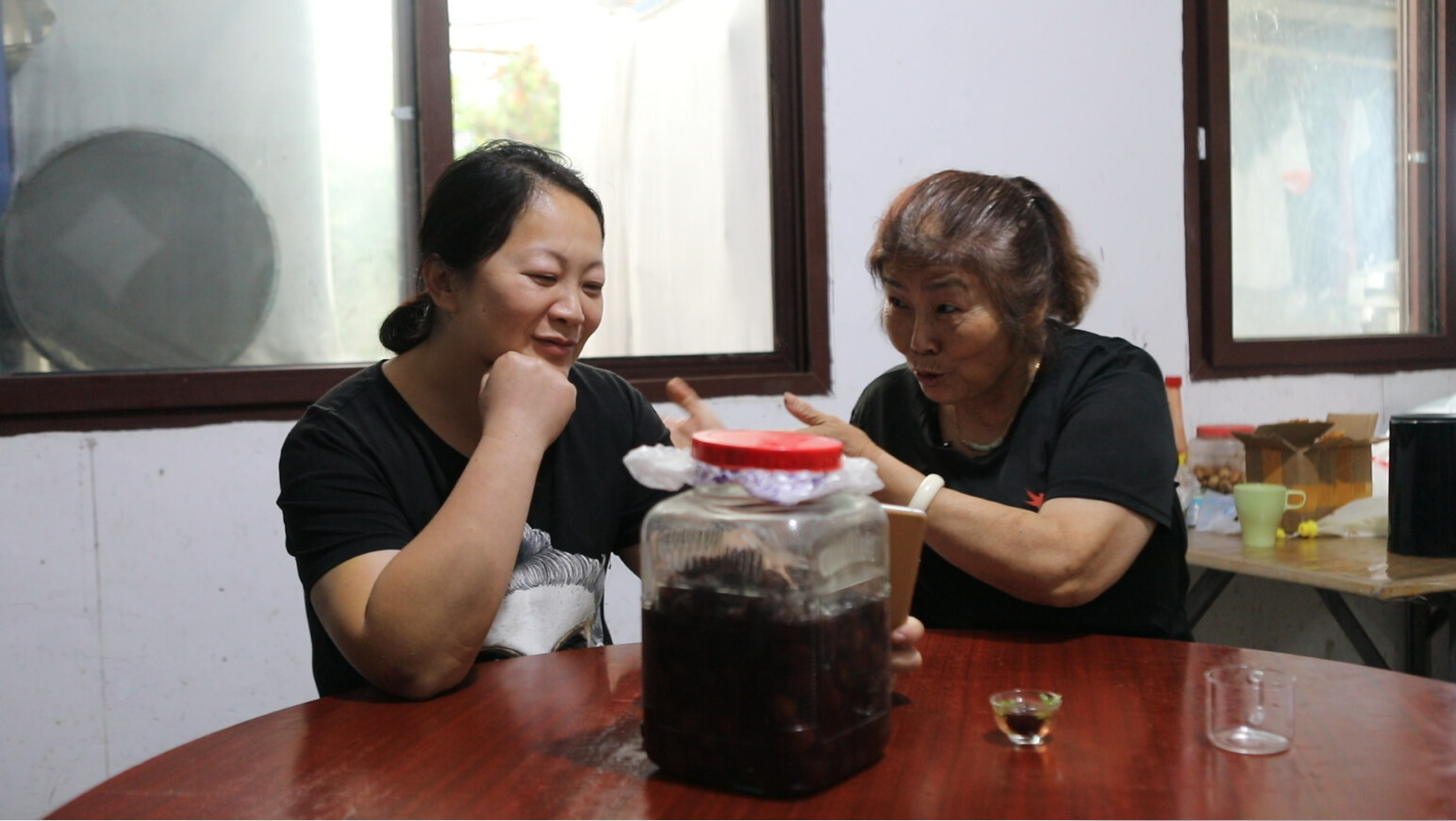
After our foodsharing buffet on sunday morning, we continue our programme with two films about agriculture. The short film The Crazy Farm shows the extraordinary project of taiwanese farmer Humama located near Chengdu. At the age of 50, she decided to quit her city job and founded an ecologically oriented farm where she grows both plants and raises cattle in harmony.
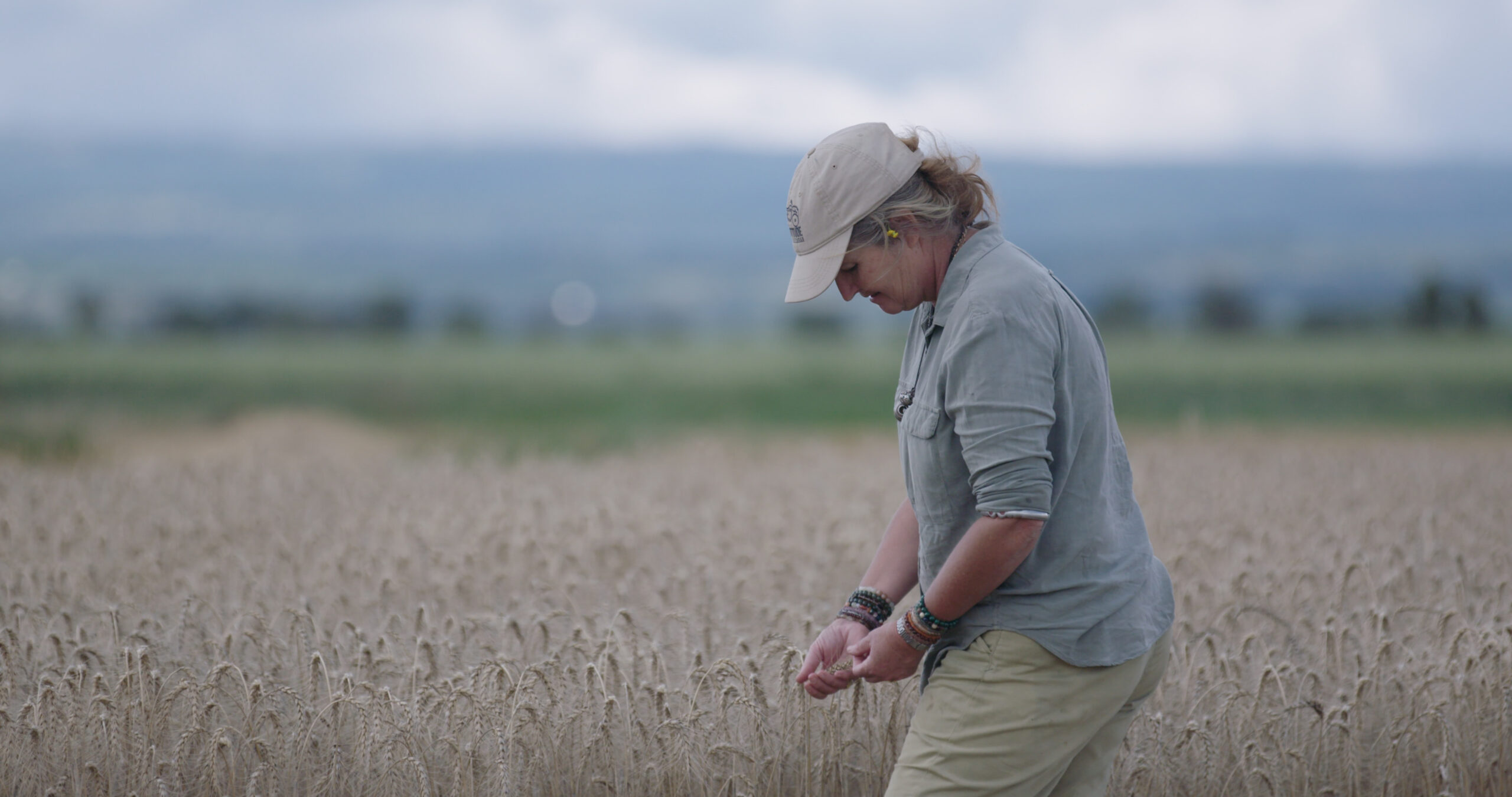
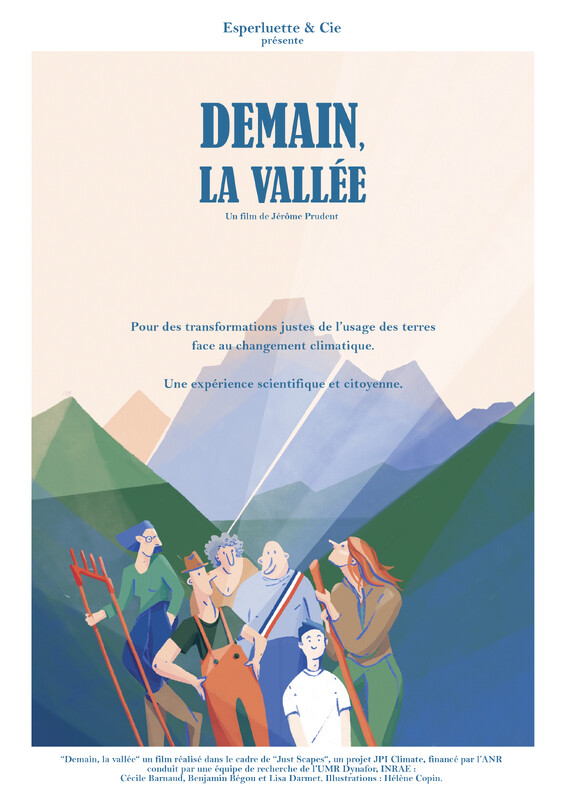
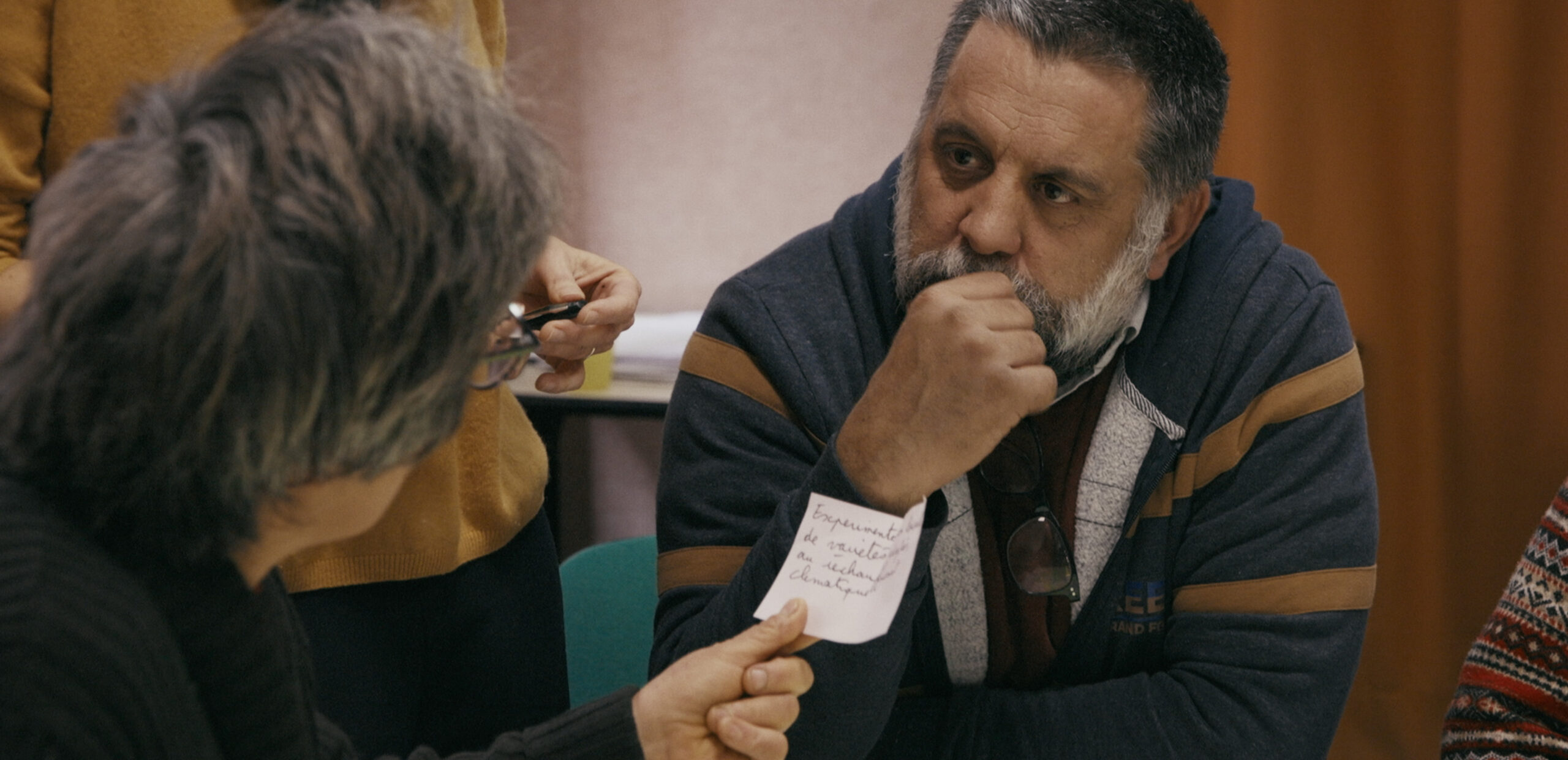
The feature film Demain, la vallée tackles the question how change in the agricultural sector can be made equitably. In the idyllic Arac valley in the french Pyrenees, the project “Just Scapes” brings together farmers, gardeners and members of local administrations to develop visions of just adaptions to climate change in rural areas.
Following the screening, we will have a discussion with local initiatives Agronauten, Piluweri, Regionalwert AG and Gartencoop.
wer wenn nicht du + DARIO – How To Not Change The World (Short Film)
Directors: Charlotte Weinreich & Rosa-Lena Lange / Christian Belz
Duration: 51 min (34 min / 17 min)
Language: German
Subtitles: – / English
To kick off our festival, we will be showing two films in a double session that deal with the question of what successful protest and activism can look like in the face of the escalating climate crisis: The short film DARIO portrays a young man who resorts to radical forms of protest out of frustration with current climate policy. In “wer wenn nicht du”, a father and his son discuss the pros and cons of civil disobedience.
After the films, Jannis Niethammer and Karl Braig, protagonists of “wer wenn nicht du”, and Christian Belz, director of “DARIO”, will be available for questions and discussion.
To provide the best experiences, we use technologies like cookies to store and/or access device information. Consenting to these technologies will allow us to process data such as browsing behavior or unique IDs on this site. Not consenting or withdrawing consent, may adversely affect certain features and functions.
Functional
Always active
The technical storage or access is strictly necessary for the legitimate purpose of enabling the use of a specific service explicitly requested by the subscriber or user, or for the sole purpose of carrying out the transmission of a communication over an electronic communications network.
Preferences
The technical storage or access is necessary for the legitimate purpose of storing preferences that are not requested by the subscriber or user.
Statistics
The technical storage or access that is used exclusively for statistical purposes.The technical storage or access that is used exclusively for anonymous statistical purposes. Without a subpoena, voluntary compliance on the part of your Internet Service Provider, or additional records from a third party, information stored or retrieved for this purpose alone cannot usually be used to identify you.
Marketing
The technical storage or access is required to create user profiles to send advertising, or to track the user on a website or across several websites for similar marketing purposes.